
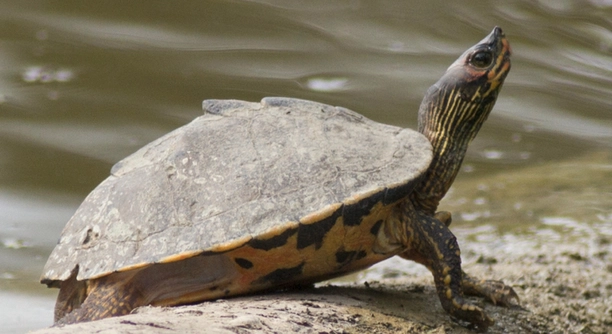
Many turtle owners are aware of the unique needs of their pets, but some might not know that their Indian Roofed Tortoise could have a beak issue. A healthy beak is crucial for their well-being, and noticing problems early is important.
The most common signs of a beak problem in an Indian Roofed Tortoise include overgrown or misaligned beaks, making it difficult for the tortoise to eat properly. Beak issues can lead to feeding problems and require immediate attention to prevent further health complications.
Recognizing these symptoms early can help prevent serious health issues. Knowing what to look for will make it easier to provide the necessary care.
Understanding the Signs of a Beak Problem in Indian Roofed Tortoises
A healthy Indian Roofed Tortoise relies on its beak to eat properly. When this part of their body is damaged or overgrown, they may struggle to feed. The beak should be smooth and slightly curved to allow them to bite and chew their food effectively. Overgrowth or misalignment can cause discomfort, making it difficult for the tortoise to eat and causing nutritional problems over time. If you notice that your tortoise is eating less or is unable to eat certain foods, it’s possible that their beak may be the issue. Regular inspection of their beak can help identify early signs of trouble. Tortoises that are not able to eat properly will often show weight loss, lethargy, and may become more irritable. It’s important to monitor their eating habits closely.
Sometimes it’s not just the appearance of the beak that signals a problem, but also changes in their feeding behavior. If your tortoise is hesitant to eat or shows signs of difficulty while eating, it’s time to look closer.
In some cases, overgrowth of the beak may be due to improper diet or lack of sufficient chewing surfaces. A well-balanced diet, rich in fiber and calcium, is essential to maintaining a tortoise’s beak health. Offering rough foods like grasses, leaves, and weeds helps wear down the beak naturally. If a tortoise’s diet lacks these, the beak can grow too long. Beak problems can also occur when the tortoise doesn’t have enough opportunities to chew on hard materials like rocks or logs. In some situations, even if the diet seems balanced, certain health conditions can contribute to an abnormal beak growth. It is important to remember that beak problems should not be ignored. Regular check-ups with a reptile vet can prevent the situation from worsening.
How to Care for a Tortoise With a Beak Problem
Addressing a beak issue is vital to your tortoise’s health. It’s not just about fixing the problem temporarily, but ensuring it doesn’t return.
If you notice any abnormalities with your tortoise’s beak, trimming or filing may be necessary. Be careful when doing this, as improper trimming can cause more harm. A professional veterinarian will know exactly how to handle a beak problem. Beak trimming involves careful work to avoid causing pain or injury to your tortoise. In some cases, the tortoise may need to be sedated for the procedure. After trimming, it’s important to monitor your pet for any signs of infection or continued issues. A good diet and proper care are crucial to maintaining a healthy beak, preventing the issue from resurfacing.
Causes of Beak Problems in Indian Roofed Tortoises
Dietary imbalances, lack of proper chewing surfaces, and certain health conditions can cause beak problems. An improper diet with too many soft foods can prevent the beak from naturally wearing down. Also, a tortoise kept in an environment without rough surfaces may experience overgrowth.
Feeding your tortoise a balanced diet is essential. Providing fresh vegetables, fruits, and calcium-rich foods like dark leafy greens will help maintain the proper growth of their beak. Without rough surfaces such as rocks or branches, the beak cannot wear down naturally, leading to overgrowth. Additionally, improper care and lack of environmental enrichment can lead to other health issues that affect the beak’s development. Conditions like metabolic bone disease or infections can also cause abnormalities in the beak’s appearance and function. Regular vet visits will help address these concerns before they become significant issues.
Another cause of beak problems in tortoises is a lack of hydration. A tortoise that is not getting enough water may develop dehydration, which can contribute to beak issues. Dehydration affects the overall health of the tortoise and can lead to various problems, including difficulty in shedding the beak’s outer layers. Ensuring that your tortoise has constant access to fresh water and a humid environment is critical. Dehydration can also cause other health complications like kidney issues, making hydration an important aspect of overall care.
How to Prevent Beak Issues in Indian Roofed Tortoises
Prevention is always better than treatment, especially when it comes to your tortoise’s beak health.
A good, well-rounded diet is the first step in preventing beak problems. Offering a variety of fresh vegetables, leafy greens, and calcium supplements will help ensure your tortoise’s beak remains healthy. Alongside proper nutrition, access to rough surfaces is equally important. Rocks, logs, and safe materials for chewing help keep the beak naturally trimmed and prevent overgrowth. You should also ensure that your tortoise has enough space to roam around. If your tortoise is kept in a confined area with minimal environmental stimulation, it may not be able to maintain its beak health properly. Additionally, proper lighting, including UVB light, is necessary to support bone health and prevent metabolic diseases that can affect the beak.
Providing a balanced environment with all the necessary elements is essential for your tortoise’s overall well-being. Regular check-ups with a reptile vet will ensure that any issues are spotted early and can be addressed before they become serious. You can prevent beak problems by focusing on proper diet, environmental enrichment, and health maintenance.
Common Beak Problems in Indian Roofed Tortoises
Overgrowth is one of the most common beak issues, leading to difficulty eating. When the beak grows too long, it may prevent the tortoise from biting or chewing its food. Misalignment of the beak can also cause problems, making it harder for the tortoise to eat.
Another issue is beak infection. If the tortoise’s beak becomes cracked or damaged, bacteria can enter and cause infection. This can make the beak swollen, discolored, and painful. If left untreated, it can affect the tortoise’s ability to feed and cause other health problems. Regular inspection can help catch infections early.
How to Address a Beak Problem
If you suspect a beak problem, schedule a vet visit as soon as possible. A professional can properly assess the issue and recommend treatment, including beak trimming or filing. Sometimes, sedation may be required for a safe and accurate procedure. Addressing the problem early can prevent further health complications.
When to See a Vet
If your tortoise is refusing to eat, losing weight, or showing signs of distress, it’s time to visit the vet.
FAQ
How can I tell if my tortoise has a beak problem?
The most noticeable signs of a beak problem are difficulty eating, a visibly overgrown or misshapen beak, and signs of weight loss. If your tortoise is not eating as much as usual or seems to struggle with chewing, inspect its beak. Look for any unusual bumps, cracks, or irregular shapes. A healthy beak should be smooth and slightly curved. Overgrown or uneven beaks can cause feeding problems and should be addressed immediately.
What causes beak problems in tortoises?
Beak issues can result from several factors, including an improper diet, lack of rough surfaces for chewing, dehydration, or certain health conditions. A diet lacking in fiber or essential nutrients can lead to an overgrown beak. Similarly, if your tortoise doesn’t have access to rocks or logs, its beak may not wear down naturally, causing it to grow too long. Infections or metabolic bone disease can also affect beak health.
Can beak problems be prevented?
Yes, beak problems can be prevented by ensuring a proper diet and environment for your tortoise. Provide a variety of fresh, high-fiber foods like dark leafy greens and grasses. Adding calcium supplements and ensuring access to rough surfaces, such as rocks or logs, will help naturally wear down the beak. Regular hydration and proper lighting, including UVB light, are essential for your tortoise’s overall health, which also impacts the beak.
How do I treat a beak problem in my tortoise?
If you suspect your tortoise has a beak problem, the best course of action is to consult a vet. A professional can assess whether the beak needs trimming or if other treatments are necessary. Sometimes, a vet will need to file down an overgrown beak, which requires skill and precision. If there’s an infection, antibiotics or topical treatments might be prescribed. Always avoid attempting beak trimming at home, as improper handling can cause injury.
Is it safe to trim a tortoise’s beak at home?
It is not recommended to trim a tortoise’s beak at home. Trimming requires precision to avoid causing harm. Using the wrong tools or technique can lead to infections or further damage to the beak. Only a qualified veterinarian should perform beak trimming to ensure the tortoise’s safety. If you believe trimming is necessary, schedule an appointment with a reptile vet.
What are the signs of infection in a tortoise’s beak?
Signs of infection in the beak include swelling, redness, discharge, or a foul odor. If your tortoise’s beak appears unusually swollen or has pus-like discharge, it may be infected. The tortoise may also seem lethargic, lose its appetite, or act in pain when trying to eat. If you notice these symptoms, contact a vet immediately to get proper treatment.
How can I help my tortoise maintain a healthy beak?
Providing your tortoise with a well-rounded diet, including fiber-rich foods like grasses and leafy greens, is the key to maintaining a healthy beak. Ensure your tortoise has access to rough surfaces, such as logs, rocks, or branches, so it can naturally wear down its beak. Hydration is also important, so make sure your tortoise always has fresh water available. Regular vet check-ups will help keep their beak in good condition.
Can a tortoise’s beak grow back if it is damaged or trimmed?
Yes, a tortoise’s beak can grow back if it is trimmed or slightly damaged, as long as it is treated properly. If the beak is trimmed by a professional, it will regrow to its proper length over time. If there is damage from injury or infection, the tortoise’s beak may take longer to heal. However, it’s important to monitor the tortoise closely during recovery and follow the vet’s instructions to ensure proper healing.
What should I do if my tortoise refuses to eat?
If your tortoise refuses to eat, check for any signs of a beak problem, as this could be the cause. Overgrown or misaligned beaks make it difficult for tortoises to feed. If you notice any abnormalities, schedule a vet visit. Other causes of refusal to eat can include illness, stress, or environmental factors. Ensure the tortoise’s habitat is suitable with the right temperature, humidity, and light. If the refusal to eat persists for more than a couple of days, it’s important to consult a vet.
How often should I check my tortoise’s beak?
Regular checks of your tortoise’s beak are essential, especially if they are not eating or showing signs of discomfort. Inspect the beak every few weeks to catch early signs of overgrowth or infection. Checking your tortoise’s beak after it has eaten is also a good habit, as you can spot any food-related issues that might arise due to beak problems.
Can a beak problem affect a tortoise’s long-term health?
Yes, if left untreated, a beak problem can lead to significant long-term health issues. Difficulty eating can result in malnutrition, weight loss, and weakened bones. In extreme cases, infections can spread to other parts of the tortoise’s body. The sooner a beak problem is addressed, the better the chances for a full recovery and improved long-term health.
Is it normal for a tortoise’s beak to grow continuously?
Yes, it is normal for a tortoise’s beak to grow continuously, just like its nails and shell. However, in the wild, the beak naturally wears down through feeding on rough surfaces and natural food sources. In captivity, it’s important to provide your tortoise with opportunities to wear down its beak by offering appropriate surfaces to chew on. Without these, the beak can grow too long, causing problems.
What are the risks of not treating a beak problem?
If a beak problem is ignored, it can lead to severe health consequences. A tortoise that cannot eat properly will not get enough nutrients, which can result in malnutrition and other related issues. Overgrown or misaligned beaks can also cause painful sores in the mouth, infections, and other complications. If you notice any signs of a beak issue, seeking professional help quickly will minimize the risks and prevent further health decline.
How do I ensure my tortoise’s beak stays in the right shape?
To keep your tortoise’s beak in the right shape, provide a balanced diet with plenty of fiber-rich foods that promote natural beak wear. Offering a variety of fresh vegetables and calcium sources like leafy greens and cuttlefish bones will support healthy beak growth. Including rough surfaces such as logs or rocks in their environment will allow them to wear down their beak naturally, preventing overgrowth. Regularly monitoring your tortoise’s beak and behavior can help catch any potential issues before they become serious.
Final Thoughts
Taking care of an Indian Roofed Tortoise involves paying attention to many small details, and one of the most important is their beak health. A healthy beak is essential for eating, and if something goes wrong, it can affect your tortoise’s overall well-being. Common signs of a beak problem include overgrowth, misalignment, or difficulty eating. These issues can stem from several causes, including diet, lack of rough surfaces for chewing, or underlying health conditions. Regularly checking your tortoise’s beak and watching for changes in eating habits can help identify problems early. The sooner you spot an issue, the easier it is to address.
Preventing beak problems starts with offering a balanced diet, providing rough surfaces for chewing, and ensuring your tortoise stays hydrated. A proper diet, rich in fiber and calcium, helps maintain the health of the beak. Offering your tortoise rough surfaces like rocks and logs can help naturally wear down the beak. Additionally, providing UVB lighting and a suitable environment supports your tortoise’s overall health, preventing issues that could affect its beak. Regular check-ups with a veterinarian can also ensure that any potential issues are addressed before they become serious problems. A good routine of care and regular observation goes a long way in keeping your tortoise healthy.
If a beak problem does arise, it’s essential to seek professional help. Attempting to trim or treat the beak yourself could cause more harm than good. A qualified vet will be able to assess the situation and take the proper steps, whether it’s trimming, filing, or treating an infection. Beak issues are not something to ignore, as they can lead to other complications, such as malnutrition or infection. By staying aware of your tortoise’s needs and seeking veterinary assistance when needed, you can ensure that your tortoise stays happy, healthy, and able to eat comfortably.

Hello,
If you enjoy the content that we create, please consider saying a "Thank You!" by leaving a tip.
Every little bit helps us continue crafting quality advice that supports the health, happiness, and well-being of pets around the world, for pets of all shapes, sizes, and species.
We really appreciate the kindness and support that you show us!