
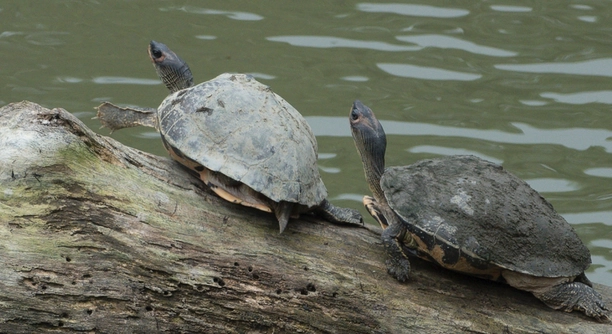
Do you ever find yourself wondering how to make your Indian roofed tortoise feel more at home in its enclosure?
The best way to encourage natural behaviors in Indian roofed tortoises is by replicating their wild habitat. Providing varied substrates, hiding spots, water access, and temperature gradients helps them feel secure and exhibit instinctive activities like burrowing, basking, and foraging.
From enrichment ideas to proper tank setup, understanding these methods will enhance your tortoise’s well-being and promote a more active lifestyle.
Provide a Spacious Enclosure
A large enclosure allows your Indian roofed tortoise to move freely and explore. A small space can lead to stress and inactivity. A habitat that mimics their natural environment will keep them active and engaged. Outdoor enclosures work best, but indoor setups should still provide plenty of room to roam. Ensure the space includes dry and moist areas, climbing structures, and shaded spots. A secure, well-ventilated enclosure prevents escape and maintains a stable environment. Tortoises need variety in their surroundings to exhibit normal behaviors, so the bigger the space, the better.
A minimum enclosure size of 4×8 feet is recommended for one adult tortoise. If you keep multiple tortoises, increase the space to prevent overcrowding.
Adding plants, rocks, and hiding spots will encourage exploration. A natural setup will help your tortoise feel secure and engage in burrowing, climbing, and other natural behaviors.
Offer a Variety of Substrates
Different surfaces stimulate your tortoise and encourage natural movement. In the wild, they encounter a mix of soil, sand, grass, and leaf litter. Replicating this variety in captivity will promote digging, burrowing, and exploring. A mix of coconut coir, topsoil, and cypress mulch works well for indoor enclosures.
Changing textures underfoot keeps your tortoise engaged and supports healthy movement. Avoid using rough or artificial materials that could harm their feet. A deep substrate layer allows for burrowing, which is an essential behavior for this species. Keeping some areas moist and others dry will also help regulate humidity levels. This balance is important for shell health and overall well-being. Cleaning and replacing substrate regularly prevents mold and bacteria buildup. Natural environments encourage active behaviors, keeping your tortoise physically and mentally stimulated.
Provide Hiding Spots
Hiding spots help your tortoise feel safe and reduce stress. Without them, they may become anxious or inactive. Use natural materials like logs, rocks, and plants to create secure areas. Providing multiple hiding spots will encourage exploration and give your tortoise options for retreat.
A mix of open and enclosed hiding areas keeps things interesting. Half logs, overturned plant pots, and thick vegetation work well. Position hiding spots in both warm and cool areas to allow temperature regulation. Avoid placing them too close together, as tortoises need space to move freely. Observing where your tortoise prefers to hide can help you adjust the setup to their liking. Keeping hides in different parts of the enclosure encourages movement and prevents boredom.
Rotating and changing hiding spots occasionally keeps the environment engaging. Different textures and shapes encourage natural behaviors like burrowing and resting. Ensure the hides are stable so they don’t collapse. Keeping the environment dynamic will help your tortoise feel secure and remain active.
Maintain Proper Lighting and Temperature
A well-regulated temperature and lighting setup supports natural behaviors. Without the right conditions, your tortoise may become sluggish or refuse to eat. UVB lighting is essential for shell and bone health, while a basking spot helps regulate body temperature. The right balance promotes movement and healthy activity levels.
Provide a temperature gradient within the enclosure. The basking area should be around 90°F, while the cooler side should stay between 75-80°F. Using ceramic heat emitters or basking lamps will help maintain warmth. At night, temperatures can drop slightly but should not fall below 70°F. Consistent heating prevents stress and encourages normal behavior.
UVB bulbs should run for 10-12 hours daily. Without proper UVB exposure, tortoises can develop health issues like metabolic bone disease. Position the UVB light within 12-18 inches of the basking spot for maximum effectiveness. Replacing bulbs every six months ensures your tortoise gets enough exposure.
Offer a Varied Diet
A diverse diet keeps your tortoise healthy and encourages natural foraging. Leafy greens, vegetables, and occasional fruits provide essential nutrients. Calcium-rich foods like dandelion greens and cuttlebone support shell health. Avoid processed foods and high-protein items, as they can cause long-term health issues.
Scatter food around the enclosure to promote natural foraging. Instead of placing everything in one spot, spread leaves and vegetables in different areas. This encourages movement and keeps mealtime engaging. Providing a mix of textures and colors also stimulates interest in food. Hydration is important, so always offer fresh water.
Include a Water Feature
A shallow water dish allows for soaking and drinking. It should be large enough for the tortoise to fit in but not too deep. Clean the dish regularly to prevent bacteria buildup and maintain hygiene.
Provide Environmental Enrichment
Introducing new elements keeps your tortoise engaged. Rearranging decor, adding fresh plants, or changing basking spots can stimulate curiosity. These small changes encourage exploration and prevent boredom.
FAQ
How often should I clean my tortoise’s enclosure?
Spot-cleaning should be done daily by removing waste and uneaten food. A full substrate change and deep cleaning should be done every four to six weeks. This helps prevent bacteria buildup and keeps the environment safe and healthy for your tortoise.
What is the best humidity level for an Indian roofed tortoise?
Humidity should be kept between 60-80% to support shell and skin health. Low humidity can lead to dehydration, while excessive moisture may cause shell rot. Mist the enclosure regularly and provide a shallow water dish to maintain the proper levels.
Can I house multiple Indian roofed tortoises together?
While it is possible, each tortoise should have enough space to move freely. Overcrowding can lead to stress and aggression. If housing multiple tortoises, ensure there are plenty of hiding spots and separate basking areas to minimize territorial disputes.
What should I do if my tortoise refuses to eat?
Check the temperature, lighting, and humidity levels in the enclosure, as incorrect conditions can lead to appetite loss. Offering a variety of fresh greens and soaking the tortoise in warm water may help. If refusal continues, consult a reptile veterinarian for further evaluation.
Do Indian roofed tortoises need UVB light?
Yes, UVB light is essential for calcium absorption and shell development. Without it, they can develop metabolic bone disease. Use a high-quality UVB bulb and replace it every six months to ensure they receive adequate exposure.
How can I tell if my tortoise is stressed?
Signs of stress include excessive hiding, lack of appetite, and reduced activity. Ensure the enclosure is spacious, provides proper temperatures, and includes hiding spots. Reducing noise and disturbances around the enclosure can also help your tortoise feel more secure.
What should I do if my tortoise’s shell is peeling?
Mild peeling is normal as they grow, but excessive shedding or soft spots may indicate a health issue. Ensure proper humidity and UVB exposure. If the shell appears damaged or infected, consult a veterinarian for treatment.
How often should I soak my tortoise?
Soaking two to three times a week helps maintain hydration and supports healthy shedding. Use shallow, lukewarm water and let the tortoise soak for about 15-20 minutes. Avoid using soap or chemicals, as they can irritate the skin.
What temperature should the basking area be?
The basking spot should be maintained at around 90°F. The rest of the enclosure should have a cooler side ranging from 75-80°F. Providing a temperature gradient allows the tortoise to regulate its body temperature as needed.
Can I feed my tortoise fruits?
Fruits should be given in moderation. While they enjoy occasional treats like berries or melons, too much sugar can cause digestive issues. Stick to a diet primarily made up of leafy greens, vegetables, and calcium-rich foods.
How do I know if my tortoise is sick?
Lethargy, refusal to eat, swollen eyes, and labored breathing are common signs of illness. If you notice any of these symptoms, seek veterinary care immediately. Early treatment is key to preventing serious health complications.
Can I let my tortoise roam outside?
Yes, supervised outdoor time in a secure, enclosed space is beneficial. Ensure there are no toxic plants, predators, or extreme temperatures. Providing access to natural sunlight helps with vitamin D3 production and overall well-being.
How long do Indian roofed tortoises live?
With proper care, they can live up to 30-40 years. A well-maintained habitat, balanced diet, and regular veterinary checkups contribute to their longevity. Keeping them in a stress-free environment will also promote a healthy, active life.
Final Thoughts
Providing the right environment and care for your Indian roofed tortoise helps encourage natural behaviors and supports their overall well-being. A spacious enclosure, varied substrates, proper lighting, and environmental enrichment all play a role in keeping them active and healthy. Simple adjustments, such as adding hiding spots and offering a diverse diet, can make a big difference in their daily routine. These tortoises thrive when they have plenty of space to explore, bask, burrow, and forage, so creating a setup that mimics their natural habitat is essential. Paying attention to their needs will help them feel comfortable and reduce stress.
Consistency is key when it comes to their care. Regular cleaning, maintaining humidity levels, and monitoring their diet ensures they stay in good health. Checking on their behavior daily can help you notice any changes early, preventing potential health problems. If your tortoise shows signs of stress or illness, adjusting their environment or seeking veterinary advice can make a big difference. Offering fresh water and a balanced diet will keep them hydrated and provide essential nutrients. A well-maintained enclosure with clean water, proper heating, and UVB lighting supports their growth and development over time. Small improvements to their setup can encourage natural instincts and keep them engaged.
Caring for an Indian roofed tortoise is a long-term commitment, but it can be a rewarding experience. Learning about their habits and preferences allows you to create a better living space for them. Observing their natural behaviors, such as basking under a heat lamp or burrowing in their substrate, is a sign they are thriving. Over time, you will develop a routine that works best for both you and your tortoise. Providing a safe and enriched habitat ensures they stay active and healthy for many years.

Hello,
If you enjoy the content that we create, please consider saying a "Thank You!" by leaving a tip.
Every little bit helps us continue crafting quality advice that supports the health, happiness, and well-being of pets around the world, for pets of all shapes, sizes, and species.
We really appreciate the kindness and support that you show us!