
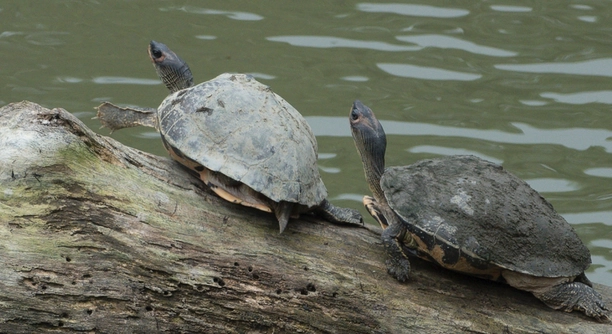
Indian Roofed Tortoises are fascinating creatures, and their behavior can sometimes be puzzling. One common behavior that might catch your attention is when your tortoise puffs up its neck. This behavior may have different reasons.
The neck puffing behavior in Indian Roofed Tortoises is typically a sign of territoriality or aggression. It is a natural response to perceived threats or challenges, signaling the tortoise’s readiness to defend its space.
Understanding the reasons behind your tortoise’s neck puffing behavior can help you create a more comfortable environment for your pet. It is essential to recognize when it’s a sign of stress and how to manage it.
Reasons Behind Neck Puffing
When your Indian Roofed Tortoise puffs up its neck, it can often be a form of communication. This behavior is commonly seen in response to stress, territoriality, or during mating rituals. It’s important to pay attention to the surrounding environment. If the tortoise feels threatened or challenged, it will inflate its neck to appear larger and more intimidating. This puffing behavior can also be observed during interactions with other tortoises or when it’s exploring unfamiliar territory. Understanding the reasons behind this reaction will help you manage your tortoise’s environment more effectively.
A key factor in this behavior is the tortoise’s natural instinct to defend itself and establish boundaries. If the tortoise is placed in an area where it feels its space is being invaded, it may puff up its neck as a way to assert dominance or protect itself from potential threats.
In some cases, this behavior could be linked to mating displays. Male tortoises often puff up their necks as part of courtship, signaling their strength and readiness to mate. When interacting with a female or rival males, this neck puffing becomes an important part of their communication.
Managing Neck Puffing Behavior
Understanding the reasons for neck puffing is just the beginning. The next step is managing the behavior to keep your tortoise calm and healthy. Make sure the enclosure provides enough space for your tortoise to feel secure.
Providing a stress-free environment will help prevent unnecessary puffing. Ensure there are plenty of hiding spots, as they offer a sense of security. Avoid sudden changes or loud noises, as these can cause stress. By maintaining a stable and peaceful habitat, you help reduce the likelihood of neck puffing due to fear or territorial disputes.
Territorial Behavior
When an Indian Roofed Tortoise puffs up its neck, it is often a sign of territorial behavior. Tortoises are naturally protective of their space, and this display is meant to assert dominance over their surroundings. It can happen when another tortoise or animal comes too close.
In the wild, tortoises are solitary creatures, and their territory is important to their sense of security. In captivity, even small changes in their environment, such as the presence of another animal, can trigger this behavior. It’s a way for them to show that they aren’t willing to share their space.
Providing enough room for each tortoise and avoiding overcrowding is key. When there’s too little space, tortoises can feel the need to defend their area more aggressively. It’s important to give them ample space to avoid constant territorial challenges that can lead to stress or injury.
Stress and Anxiety
Stress is another common cause of neck puffing in Indian Roofed Tortoises. They may puff up their necks when they feel anxious or threatened. This could be due to loud noises, changes in lighting, or even the presence of unfamiliar people or animals.
Tortoises can be sensitive to their environment, so it’s essential to monitor their surroundings carefully. Keeping the environment quiet and stable will reduce anxiety. It’s also important to handle your tortoise gently. Rough handling or sudden movements can increase stress levels.
If you notice frequent neck puffing, it could be a sign that something in their environment is off. Check for any changes in temperature, humidity, or other conditions that could be causing discomfort. Reducing stress can help keep your tortoise healthy and more relaxed.
Mating Displays
Male Indian Roofed Tortoises often puff up their necks as part of their mating behavior. This action is a visual signal to females, showing off their strength and readiness to mate. It’s a common ritual among male tortoises during the breeding season.
When a male tortoise approaches a female, he may inflate his neck to demonstrate his size and capabilities. This helps him establish dominance and attract the female’s attention. While this behavior can also be seen in confrontations with other males, it is more prominent during mating season when competition is at its highest.
Aggression Toward Other Tortoises
Indian Roofed Tortoises may also puff up their necks to show aggression toward other tortoises, especially during territorial disputes. This is a natural way for them to assert dominance. Keeping separate enclosures for each tortoise can prevent unnecessary conflicts.
These disputes can become intense, leading to possible harm if tortoises are housed together. If you keep multiple tortoises, it’s important to observe their interactions closely. Providing plenty of space and hiding spots will reduce the chances of aggressive behavior and neck puffing.
FAQ
Why does my Indian Roofed Tortoise puff up its neck?
Your Indian Roofed Tortoise puffs up its neck as a way to communicate. This behavior can be triggered by stress, territorial disputes, or mating rituals. It’s a natural response to a threat or challenge, helping the tortoise appear larger to intimidate rivals or potential predators.
Is it normal for my tortoise to puff up its neck every time another animal is nearby?
Yes, it’s normal for a tortoise to puff up its neck when it feels its territory is being invaded. This behavior is common when another animal, whether it’s a fellow tortoise or a different species, enters its personal space. It’s a way to establish boundaries and show dominance.
How can I reduce my tortoise’s neck puffing behavior?
To reduce neck puffing, you should focus on minimizing stressors. Ensure that your tortoise has a calm, stable environment with enough space. Avoid overcrowding or introducing unfamiliar animals too suddenly. Provide hiding spots and maintain a consistent routine to help reduce anxiety.
Can neck puffing be a sign of illness or injury?
Neck puffing is typically related to behavioral causes, but if it’s accompanied by other signs of illness, such as lethargy, loss of appetite, or difficulty moving, it’s worth investigating further. A vet checkup can help rule out any health issues if you notice unusual behavior alongside the neck puffing.
Is my tortoise trying to be aggressive when it puffs up its neck?
Neck puffing can indeed be a sign of aggression, especially if your tortoise feels threatened by another animal or a rival tortoise. This is a defensive behavior aimed at showing dominance or preparing for a potential fight. However, it’s not always aggressive; it can also be a way of displaying strength or attracting a mate.
How can I tell if my tortoise is puffing up its neck because of stress or aggression?
Stress-related neck puffing usually occurs in response to environmental factors like changes in habitat, temperature, or the presence of other animals. Aggression-related neck puffing tends to happen when your tortoise encounters another tortoise or feels its space is being encroached upon. Observe the surrounding environment and other behaviors like pacing or retreating to further understand the cause.
Should I separate my tortoise from others if it’s puffing up its neck?
If your tortoise is puffing up its neck due to territorial aggression, separating it from others might help. However, if the behavior is related to stress or environmental factors, improving its environment may be a better solution. Monitor your tortoise closely and consider its overall behavior to determine whether separation is necessary.
How do I know if my tortoise is puffing up its neck for mating purposes?
Male tortoises often puff up their necks as part of courtship during the breeding season. This behavior is usually accompanied by other signs, like chasing or attempting to mount the female. If this is happening in the presence of a female, it’s likely a mating display.
Can I keep two male tortoises together if they both puff up their necks?
It’s not recommended to keep two male tortoises together if they exhibit neck puffing. This behavior usually signals aggression and territorial disputes. Male tortoises may become highly competitive and aggressive, leading to injury. It’s better to house them separately or with careful monitoring.
What should I do if my tortoise continues to puff up its neck despite having enough space?
If your tortoise is puffing up its neck despite having enough space, there may be other stressors in its environment. Check for factors like noise, temperature fluctuations, or the presence of other pets. Make sure your tortoise feels secure and has places to retreat for privacy.
Final Thoughts
Understanding why your Indian Roofed Tortoise puffs up its neck can help you better care for it. This behavior is often a natural response to its environment, whether it’s stress, territorial disputes, or mating displays. It’s important to recognize the context of the behavior to address it properly. For example, if your tortoise is puffing its neck due to stress, making environmental adjustments like reducing noise or providing more hiding spots can help. On the other hand, if the behavior is related to aggression toward another tortoise, you may need to adjust their living conditions to prevent conflicts.
Taking care of a tortoise means understanding its natural instincts and providing an environment that keeps it comfortable. It’s essential to create enough space for each tortoise to avoid territorial disputes. This can also mean making sure that other pets or animals in the household aren’t causing unnecessary stress. Observing your tortoise’s behavior closely will give you the best idea of what might be causing the neck puffing, and you can adjust accordingly. Sometimes, it might even be a sign of a healthy tortoise showing off its strength or engaging in natural behavior, like mating rituals.
Ultimately, every tortoise is different, and their behavior will depend on their individual experiences and environment. Keeping their habitat stress-free and making sure they feel safe is key. When in doubt, consulting with a veterinarian can provide extra guidance on how to ensure your tortoise remains happy and healthy. By being mindful of its needs and environment, you can help your Indian Roofed Tortoise thrive and enjoy its natural behaviors without unnecessary stress or aggression.

Hello,
If you enjoy the content that we create, please consider saying a "Thank You!" by leaving a tip.
Every little bit helps us continue crafting quality advice that supports the health, happiness, and well-being of pets around the world, for pets of all shapes, sizes, and species.
We really appreciate the kindness and support that you show us!