
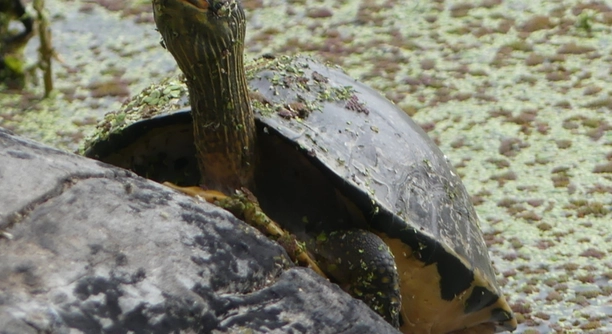
Is your Indian roofed tortoise shedding more often than expected, leaving you unsure if it is normal or a sign of trouble? Understanding the natural shedding process is important for keeping your tortoise healthy and preventing unnecessary stress or complications.
Excessive shedding in an Indian roofed tortoise is often caused by improper humidity levels, poor diet, or underlying health issues. Normal shedding should be gradual and minimal. If large flakes appear frequently, it may indicate an environmental or dietary imbalance that needs attention.
Shedding is a natural process, but when it happens too often, it could mean something is off in your tortoise’s habitat or care routine. Learning what’s normal and what’s not will help you take better care of your pet.
Common Reasons for Excessive Shedding
Indian roofed tortoises shed naturally, but when it happens too often, there may be an issue with their care. One common reason is improper humidity. If the environment is too dry, the shell and skin may shed excessively. A poor diet lacking essential nutrients can also lead to frequent shedding. Tortoises need a balanced diet with calcium and vitamins to maintain healthy skin and shell. Another factor is an unclean habitat. A dirty enclosure can cause skin irritation, leading to abnormal shedding. Lastly, excessive basking without enough access to water can dry out their skin, making shedding more frequent.
Keeping the right humidity levels, offering a nutritious diet, and maintaining a clean enclosure can prevent excessive shedding. Regular hydration and proper basking time are also important. Addressing these factors will help your tortoise stay comfortable and healthy.
If your tortoise sheds too often, making small changes in its care can improve the situation. Adjusting the environment, improving the diet, and monitoring hydration can make a noticeable difference over time.
Signs That Your Tortoise’s Shedding Is Not Normal
Shedding should be light and gradual. If you notice large, frequent flakes or patches of exposed skin, there may be a problem.
Abnormal shedding can lead to discomfort and even infections if left unchecked. Soft or discolored patches on the shell could indicate shell rot, while raw or irritated skin may suggest an underlying health issue. If the tortoise’s shell appears rough or flaky, it could mean a lack of proper hydration or essential nutrients. Excessive scratching or rubbing against objects might also suggest discomfort. Fungal infections can cause irregular shedding and require immediate attention. Changes in behavior, such as reduced appetite or lethargy, are signs that something is wrong. Examining the frequency and appearance of the shed pieces can help determine if intervention is needed. If shedding seems excessive or abnormal, consulting a reptile veterinarian is recommended.
How to Prevent Excessive Shedding
Maintaining the right humidity levels is essential. Indian roofed tortoises need a humidity range of 60–80% to keep their skin and shell healthy. Using a hygrometer helps track humidity, and misting the enclosure or adding a shallow water dish can prevent excessive dryness.
A proper diet plays a big role in shell and skin health. Leafy greens, vegetables, and calcium-rich foods support normal shedding. Without enough calcium and vitamin D3, the shell can become weak, leading to irregular shedding. A UVB light is necessary for proper calcium absorption. Feeding a varied diet and adding supplements when needed can help. Hydration is also important. Fresh water should always be available, and occasional soaks can prevent dehydration-related shedding issues.
A clean enclosure helps prevent infections that can cause abnormal shedding. Bacteria and fungus thrive in dirty conditions, leading to skin problems. Regularly changing the substrate, cleaning food and water dishes, and checking for mold or waste buildup keeps the environment safe. The right temperature range, around 75–85°F, is also important for overall health. Keeping the habitat in good condition reduces stress and helps your tortoise shed at a healthy rate.
When to Seek Veterinary Help
If shedding becomes excessive despite proper care, a health issue could be the reason. Raw or bleeding skin, foul odors, or unusual shell discoloration are warning signs. Tortoises that stop eating, seem lethargic, or scratch excessively may also need medical attention. A veterinarian can determine if an infection, parasites, or nutritional deficiency is causing the problem.
A vet visit may include tests for infections, shell diseases, or metabolic issues. Sometimes, a dietary adjustment or a prescription cream can help. Fungal and bacterial infections require treatment, while dehydration may need fluid therapy. If a tortoise has shell rot, it might need antibiotics and wound care. A vet can also check for underlying conditions like respiratory infections, which can affect shedding. Seeking help early can prevent complications and ensure your tortoise stays healthy.
Common Mistakes That Lead to Excessive Shedding
Low humidity causes dry skin and frequent shedding. Without enough moisture, the shell can become brittle, making shedding irregular. Using a hygrometer to monitor humidity and misting the enclosure when needed helps maintain proper levels and prevents unnecessary shedding.
A poor diet lacking calcium and essential vitamins weakens the shell and skin. Without enough nutrients, the tortoise may shed too often or develop flaky, unhealthy skin. Feeding a variety of leafy greens, vegetables, and calcium-rich foods supports natural shedding and overall health.
How to Keep Your Tortoise Comfortable During Shedding
Providing a shallow soaking area helps loosen shedding skin naturally. Soaking for 15–20 minutes a few times a week keeps the skin hydrated. Avoid peeling or pulling off shed pieces, as this can cause injury. A balanced diet and access to UVB lighting also support healthy shedding.
Final Thoughts
A well-maintained habitat and a proper diet can prevent most shedding problems. Making small adjustments ensures your tortoise stays comfortable and healthy.
FAQ
How often do Indian roofed tortoises shed?
Indian roofed tortoises typically shed every few weeks, but it varies depending on age, environment, and health. Younger tortoises may shed more frequently as they grow, while older ones tend to shed less often. Shedding can also be affected by changes in temperature, humidity, and diet. As long as shedding is gradual and not excessive, it’s part of a healthy growth process.
Is it normal for my tortoise to shed large pieces of skin?
Shedding large pieces of skin can be normal if it happens occasionally and the pieces are small. However, large patches of skin coming off at once could signal an issue, such as dehydration, nutritional imbalances, or an infection. If you notice unusually large or thick patches being shed, check your tortoise’s hydration and diet. Consulting a veterinarian is recommended if the shedding seems abnormal.
Can my tortoise shed too much?
Yes, excessive shedding can be a sign of something wrong with your tortoise’s environment or diet. If your tortoise is shedding constantly or in large, thick pieces, it may indicate that the humidity is too low, the diet lacks essential nutrients, or there may be an underlying health problem. Shedding should be gradual and not cause any discomfort.
How can I tell if my tortoise is shedding too often?
Shedding too often can be noticed when you see large flakes, pieces of skin, or patches coming off frequently. Normally, shedding should occur every few weeks, but if it happens more often, there could be an issue with humidity, diet, or overall care. Monitor how often your tortoise sheds and whether its skin or shell appears irritated. If excessive shedding continues, it’s best to check the habitat’s temperature and humidity or consult a vet.
Can poor diet cause excessive shedding?
Yes, a poor diet can contribute to abnormal shedding. Without the right nutrients, your tortoise’s skin and shell may weaken, leading to more frequent shedding. A diet low in calcium, vitamins, and minerals can result in weak shell growth, leading to improper or more frequent shedding. Offering a balanced diet with plenty of leafy greens, high-quality vegetables, and a calcium supplement if necessary can help prevent shedding issues.
How does humidity affect shedding?
Humidity is crucial in the shedding process. If the humidity level in the enclosure is too low, the tortoise’s skin can become dry and brittle, causing more frequent shedding. On the other hand, if the humidity is too high, it can lead to fungal growth and skin infections. Maintaining a humidity range of 60-80% helps ensure proper shedding. Regularly misting the enclosure or using a humidifier can help maintain the right moisture levels.
Should I peel off my tortoise’s shedding skin?
No, you should not peel off your tortoise’s shedding skin. It may seem tempting to help, but peeling the skin can lead to injury or infection. Let the shedding process happen naturally. If the skin doesn’t come off easily, soaking your tortoise in warm water can help soften the skin and encourage it to shed naturally. If there is any sign of irritation or infection, consult a vet.
What should I do if my tortoise has trouble shedding?
If your tortoise is struggling to shed, the first thing to check is its environment. Ensure the humidity levels are correct and the temperature is appropriate. If the skin remains stuck or the tortoise seems uncomfortable, you can gently soak it in warm water to help loosen the shed. If the problem persists or if the skin appears to be infected or damaged, seek veterinary advice.
Can excessive basking cause my tortoise to shed too much?
Yes, excessive basking can dry out your tortoise’s skin, leading to increased shedding. While basking is important for your tortoise’s overall health, too much direct heat without access to water can result in dehydration and skin issues. Ensure your tortoise has a proper balance of basking and access to water. Make sure the enclosure includes a cool area for your tortoise to retreat to.
Is shedding linked to stress in tortoises?
Stress can contribute to abnormal shedding. If a tortoise is stressed, either from environmental changes, improper handling, or incompatible tank mates, it may shed more frequently than usual. Stress-related shedding may be accompanied by other signs, like loss of appetite or unusual behavior. Creating a stable, quiet environment can help reduce stress and support healthier shedding.
Do I need to provide UVB lighting to reduce shedding?
Yes, UVB lighting is essential for your tortoise’s health, including proper shell and skin growth. UVB helps your tortoise absorb calcium, which is critical for maintaining healthy skin and shell. Without adequate UVB exposure, your tortoise may have weak shell growth and abnormal shedding. A proper UVB light source should be provided daily for 10–12 hours.
Can fungal infections cause excessive shedding?
Yes, fungal infections can cause abnormal shedding. Fungal growth on the shell or skin can lead to scaly patches and discomfort. If your tortoise has a fungal infection, it may shed in large or irregular pieces. If you notice any white or discolored patches, or if the skin appears damp and flaky, consult a vet for treatment.
How often should I clean my tortoise’s enclosure to prevent shedding problems?
Cleaning your tortoise’s enclosure regularly is essential for preventing infections that could lead to excessive shedding. Spot-clean daily by removing waste, uneaten food, and any wet areas. Full cleanings should be done every two weeks to ensure the substrate remains dry and free of bacteria or mold. A clean environment helps prevent skin and shell irritation, leading to healthier shedding.
Final Thoughts
Managing your Indian roofed tortoise’s shedding comes down to understanding their needs and maintaining a balanced environment. The natural shedding process should be gradual and not cause discomfort. If your tortoise is shedding too often, it might be a sign that something in its care needs attention. Common issues like improper humidity, an unbalanced diet, or a dirty enclosure can lead to excessive shedding. Paying attention to these factors will help ensure that your tortoise remains healthy and comfortable.
One of the most important things to monitor is the humidity in the enclosure. Indian roofed tortoises need humidity levels between 60–80%. If the air is too dry, their skin can become too brittle, leading to more frequent shedding. Regularly misting the enclosure or adding a water dish can help maintain the right moisture levels. At the same time, providing UVB light is key for your tortoise’s overall health, as it helps with calcium absorption. This ensures that your tortoise has strong bones and a healthy shell, both of which are important for natural shedding.
Lastly, a balanced diet is essential for preventing excessive shedding. Make sure your tortoise gets a variety of leafy greens, vegetables, and calcium-rich foods to support healthy skin and shell growth. Avoid feeding them too many fruits, as this can upset the calcium-to-phosphorus ratio. If your tortoise seems to be shedding too much, it’s a good idea to check their diet and make sure it includes the nutrients they need. By providing the right care, you can help ensure that shedding remains a natural and healthy process for your tortoise.

Hello,
If you enjoy the content that we create, please consider saying a "Thank You!" by leaving a tip.
Every little bit helps us continue crafting quality advice that supports the health, happiness, and well-being of pets around the world, for pets of all shapes, sizes, and species.
We really appreciate the kindness and support that you show us!