
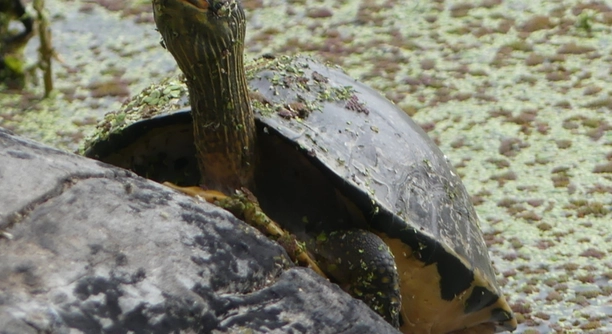
Indian Roofed Tortoises require a balanced diet to stay healthy and strong. One key nutrient for their well-being is calcium. Providing the right calcium sources can help support their shell growth and overall health.
The best calcium sources for Indian Roofed Tortoises include dark leafy greens, calcium supplements, cuttlebone, and certain fruits and vegetables. These foods help in maintaining proper shell development and bone strength, essential for their long-term health.
From the right greens to safe calcium-enriched treats, there are plenty of options for your tortoise. Understanding these choices will ensure they thrive.
Dark Leafy Greens
Dark leafy greens are one of the best calcium sources for Indian Roofed Tortoises. These vegetables are rich in calcium and other essential nutrients, making them a staple in their diet. Collard greens, dandelion greens, and mustard greens are excellent options. They also provide fiber and vitamins that help keep your tortoise healthy. It’s important to rotate the greens to prevent boredom and ensure your tortoise gets a variety of nutrients. Offering these greens every day can help with their shell growth and bone development.
Dark leafy greens should be washed thoroughly before serving. This ensures they are free from any pesticides or harmful chemicals. You can chop them into small pieces to make them easier for your tortoise to eat. Serving them fresh is best, but you can also offer dried greens occasionally as a treat.
Incorporating a variety of dark leafy greens into your tortoise’s diet ensures they get the right amount of calcium. It’s important to keep in mind that these greens also have other vitamins and minerals, making them a well-rounded option. Try to avoid spinach and kale too frequently, as they contain oxalates, which can bind to calcium and reduce absorption. This may lead to calcium deficiency if fed in excess.
Cuttlebone
Cuttlebone is a popular calcium supplement for tortoises. It’s made from the inner shell of the cuttlefish and is naturally high in calcium. Cuttlebone is easy to find at pet stores and can be added to your tortoise’s enclosure. It’s a great way to provide extra calcium, especially if your tortoise isn’t getting enough from its food. Simply place the cuttlebone in their habitat, and they will nibble on it as needed.
Cuttlebone also has the added benefit of helping to keep your tortoise’s beak trimmed. As they chew on it, the hardness of the cuttlebone helps wear down any excess growth. This keeps their beak healthy and properly shaped, preventing potential feeding issues.
Calcium Supplements
Calcium supplements can be a helpful addition to your tortoise’s diet. These supplements usually come in powder or liquid form. They are a reliable way to ensure your tortoise gets the calcium they need, especially if they aren’t consuming enough from food sources.
Dusting their food with calcium powder once or twice a week is usually enough. Make sure the supplement is specifically made for reptiles to avoid any harmful additives. It’s best to use calcium without vitamin D3 if your tortoise gets enough sunlight. Too much D3 can cause calcium buildup and other health issues.
Over-supplementation can lead to kidney problems or shell deformities, so always follow the recommended dosage. Pay attention to how your tortoise responds to supplements. If they begin eating less or acting differently, reduce the amount or consult a vet for guidance. Always pair calcium with proper UV lighting to help your tortoise absorb the calcium properly.
Fruits and Vegetables
Fruits and vegetables are an excellent source of calcium for tortoises. Though not as calcium-rich as dark leafy greens, certain fruits and vegetables like figs, mulberry leaves, and squash can be added to your tortoise’s diet for variety. Always ensure that the fruits and vegetables are safe for them to eat and offer a good mix of other essential nutrients.
Some vegetables like bell peppers, carrots, and cucumbers also provide hydration. While they aren’t packed with calcium, they support your tortoise’s health in other ways, making them a great option to supplement the main foods. However, avoid feeding too much fruit as it can be high in sugar.
The right balance of fruits and vegetables can ensure your tortoise has the best chance of absorbing necessary nutrients. It’s crucial to offer a variety while keeping calcium-rich foods as the main part of their diet. Keep in mind that fruits should be offered in moderation due to their sugar content.
Bone Meal
Bone meal is another excellent source of calcium for Indian Roofed Tortoises. It’s made from ground animal bones and is available at many pet stores. Bone meal can be sprinkled over your tortoise’s food as a supplement.
When used correctly, bone meal helps strengthen their bones and shell. However, it’s important to use it sparingly. Too much bone meal can cause an overload of calcium, leading to health problems like kidney damage. Always monitor the amount and use it in combination with other calcium-rich foods to ensure a balanced diet.
Calcium-Enriched Commercial Diets
Many commercial diets specifically designed for tortoises are calcium-enriched. These diets often contain a mix of various nutrients to ensure proper bone and shell development. When feeding a commercial diet, always check that it lists calcium as one of the main ingredients.
While convenient, these diets shouldn’t be the only food source. They should be offered alongside fresh vegetables, fruits, and other calcium-rich options. Adding variety to your tortoise’s diet will ensure they get all the nutrients they need for optimal health.
Avoiding Calcium Deficiency
A calcium deficiency in your tortoise can lead to soft shells, poor growth, and weakened bones. To prevent this, ensure they have access to regular calcium sources. Keep track of their diet to avoid any nutrient imbalances.
FAQ
How much calcium does an Indian Roofed Tortoise need?
Indian Roofed Tortoises require a steady supply of calcium to maintain a healthy shell and strong bones. A general guideline is to ensure that about 30-40% of their diet is made up of calcium-rich foods, with a variety of dark leafy greens being the primary source. In addition to natural food sources, offering calcium supplements or cuttlebone can help meet their calcium requirements. The actual amount will depend on factors such as age, size, and activity level, so it’s important to adjust accordingly and consult a vet if unsure.
Can I give my tortoise calcium supplements every day?
Calcium supplements should be used in moderation. Dusting your tortoise’s food with calcium powder 2-3 times a week is usually sufficient. Over-supplementation can lead to calcium buildup, which can cause serious health problems. It’s best to provide supplements in combination with a varied, balanced diet that includes calcium-rich foods like leafy greens and cuttlebone.
What are the signs of calcium deficiency in a tortoise?
Signs of calcium deficiency include a soft or deformed shell, poor growth, weakness, and difficulty moving. In severe cases, a tortoise may exhibit signs of bone deformities or fractures. If you notice these symptoms, it’s essential to assess their diet and calcium intake. Consult a veterinarian for advice and possible treatment options to prevent further complications.
Can I feed my tortoise spinach for calcium?
Spinach is not the best option for providing calcium. While it does contain some calcium, it also has oxalates, which can bind to calcium and prevent its absorption. Feeding too much spinach can lead to calcium deficiency. Instead, focus on dark leafy greens like collard greens, mustard greens, and dandelion greens, which are safer and provide better calcium absorption.
Is cuttlebone a good calcium source for tortoises?
Yes, cuttlebone is an excellent source of calcium for tortoises. It’s made from the inner shell of cuttlefish and is easy for your tortoise to nibble on. Cuttlebone provides a steady supply of calcium and also helps trim your tortoise’s beak. Make sure to place the cuttlebone in the enclosure so that your tortoise can access it whenever needed.
Can I feed my tortoise fruits and vegetables for calcium?
Certain fruits and vegetables can provide some calcium, but they shouldn’t be the primary source. Fruits like figs and mulberries are calcium-rich, while vegetables like squash, bell peppers, and carrots offer vitamins and hydration. However, these should be fed in moderation, as they don’t provide the same level of calcium as dark leafy greens. They should be part of a well-balanced diet that includes other calcium sources.
How often should I feed my tortoise calcium-rich foods?
It’s important to include calcium-rich foods like dark leafy greens daily in your tortoise’s diet. However, for supplements like calcium powder or bone meal, they should be offered 2-3 times a week, depending on your tortoise’s specific needs. Always monitor your tortoise’s condition and adjust their diet accordingly.
Can I give my tortoise dairy products for calcium?
It’s not recommended to give dairy products to your tortoise. Reptiles, including tortoises, are lactose intolerant, and dairy can cause digestive upset or other health issues. Stick to plant-based calcium sources such as leafy greens, cuttlebone, or supplements specifically formulated for reptiles.
Is UVB lighting necessary for calcium absorption?
Yes, UVB lighting is crucial for calcium absorption in tortoises. UVB rays help your tortoise produce vitamin D3, which is essential for calcium metabolism. Without adequate UVB exposure, your tortoise may have difficulty absorbing calcium from its food, even if it’s consuming the right amount. Ensure that your tortoise’s enclosure has proper UVB lighting, especially if they are kept indoors.
Can I feed my tortoise the same food every day?
It’s important to provide variety in your tortoise’s diet. Feeding the same food every day can lead to nutrient imbalances. Offer a variety of dark leafy greens, vegetables, fruits, and occasional calcium supplements. Variety ensures that your tortoise gets a wide range of vitamins and minerals necessary for their health.
Are there any calcium-rich foods I should avoid?
Some calcium-rich foods should be avoided due to other factors. For example, while kale and beet greens are high in calcium, they also contain oxalates, which can reduce calcium absorption if fed in excess. Similarly, too much fruit can lead to an overload of sugar, which isn’t ideal for your tortoise’s health. Focus on safer, calcium-rich greens and variety in their diet for the best results.
What is the best form of calcium supplement for tortoises?
The best form of calcium supplement is one that is specifically designed for reptiles, ideally without vitamin D3. This is because too much vitamin D3 can lead to toxicity, especially if your tortoise is already getting plenty of natural sunlight. Calcium powder is the most common form, and it can be dusted on food. Some tortoises may also enjoy calcium blocks or cuttlebone.
Do I need to worry about vitamin D3 when giving calcium to my tortoise?
If your tortoise has access to natural sunlight or a good UVB light source, they will likely produce enough vitamin D3 on their own. Therefore, it’s best to use calcium supplements without D3. If they are kept indoors with limited sunlight, a supplement with vitamin D3 may be necessary, but always monitor the dosage. Overuse of D3 can lead to health problems.
Final Thoughts
Maintaining a balanced diet for your Indian Roofed Tortoise is essential for their overall health, and calcium plays a key role in that. Ensuring your tortoise gets enough calcium is important for proper shell development and bone strength. While dark leafy greens like collard and mustard greens are excellent natural sources of calcium, it’s important to provide variety in their diet to avoid any nutritional imbalances. A well-rounded diet, including fresh vegetables, fruits, and occasional calcium supplements, will keep your tortoise healthy for years to come.
Calcium supplements, such as cuttlebone or calcium powder, can be a helpful addition to your tortoise’s diet, especially if they are not getting enough from their food. However, it’s important to be cautious and not over-supplement. Too much calcium can lead to problems like kidney damage or shell deformities. Monitoring your tortoise’s health and adjusting their diet as needed is crucial. If you’re unsure about how much calcium to provide, it’s always a good idea to consult with a veterinarian to get a more specific plan based on your tortoise’s individual needs.
Finally, UVB lighting plays an important role in calcium absorption. Without proper UVB exposure, your tortoise may struggle to absorb calcium, even if it’s present in their food. Providing your tortoise with natural sunlight or a quality UVB light source ensures they can properly process the calcium in their diet. Remember that balance is key—too much or too little calcium can both lead to health problems. By offering a varied, well-rounded diet with plenty of calcium-rich foods, you’ll be helping your Indian Roofed Tortoise thrive.

Hello,
If you enjoy the content that we create, please consider saying a "Thank You!" by leaving a tip.
Every little bit helps us continue crafting quality advice that supports the health, happiness, and well-being of pets around the world, for pets of all shapes, sizes, and species.
We really appreciate the kindness and support that you show us!