
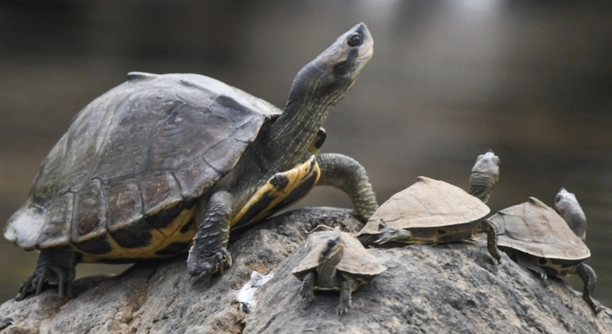
Indian Roofed Tortoises are popular pet reptiles, but when they start making clicking sounds, it can be concerning for their owners. This behavior might indicate something about their health or environment that needs attention.
The clicking sounds could be due to respiratory issues, such as a respiratory infection, which is common in reptiles. It could also be linked to other factors like stress, improper humidity, or even their feeding habits.
Understanding the cause of these sounds is important for your tortoise’s well-being. Identifying the problem early can help prevent serious health issues and ensure your pet remains happy and healthy.
Common Causes of Clicking Sounds in Indian Roofed Tortoises
The clicking sounds from your tortoise might be more than just a random noise. One of the most common causes is respiratory issues. Respiratory infections are prevalent in reptiles, and these infections often show up through symptoms like wheezing, clicking, or labored breathing. If you notice any other signs of illness, such as a lack of appetite, lethargy, or nasal discharge, this is a strong indicator that something may be wrong.
A respiratory infection in tortoises is often caused by poor environmental conditions like low humidity or inadequate temperature. It’s crucial to provide your tortoise with a well-regulated habitat, including proper warmth and humidity levels, to prevent respiratory problems. Without this, the tortoise’s immune system may weaken, making it more vulnerable to illness.
In addition to environmental factors, diet plays a significant role. If your tortoise is not getting the right nutrients or is fed too much dry food, it may also contribute to health problems, including respiratory issues. Make sure their diet is balanced, with the right mix of fresh vegetables and fruits to support their immune system.
Stress and Its Effect on Tortoises
Stress can also contribute to the clicking sounds. A stressed tortoise may exhibit abnormal behavior, including noisy breathing. Stress can come from many sources, like frequent handling, loud noises, or overcrowding in their enclosure.
When a tortoise is stressed, its immune system becomes weaker, and this can lead to a variety of health problems, including respiratory issues. To reduce stress, it’s important to create a calm, quiet, and secure environment for your pet. Avoid handling them too much, and ensure their habitat is spacious enough for them to move around comfortably.
A peaceful environment helps your tortoise feel secure and encourages normal behavior. It’s important to regularly check the enclosure for any sources of stress and eliminate them. Keeping your tortoise stress-free can greatly improve their overall well-being.
Environmental Factors Affecting Your Tortoise
Temperature and humidity levels are crucial for your tortoise’s health. If the enclosure is too cold or too dry, your tortoise may develop respiratory issues, leading to clicking sounds. Ensure the enclosure maintains a consistent temperature range and proper humidity to mimic natural conditions.
A tortoise needs a warm basking area with temperatures around 85-90°F (29-32°C) and a cooler side that’s around 75°F (24°C). Humidity should be kept between 50-70%, depending on the species. An improper balance of temperature and humidity can lead to respiratory distress and clicking noises.
To maintain the correct environment, use a thermometer and hygrometer to monitor the conditions inside the enclosure. Regularly check the humidity by spraying water in the enclosure or adding a humidity box. These simple steps help maintain a healthy environment and prevent respiratory infections that cause clicking sounds.
Importance of Regular Vet Check-ups
Taking your tortoise to a vet regularly is important for early detection of health issues. If your tortoise starts making clicking noises, a vet can check for infections or other underlying causes. It’s better to catch potential problems early on.
A vet can perform a full health check, which may include blood tests and respiratory exams, to identify if an infection or other issue is present. Getting your tortoise checked regularly also ensures that its overall health is on track, helping prevent problems from developing later. If the clicking persists, a vet visit is the best course of action to ensure proper treatment.
Many tortoise owners forget that reptiles, like any pet, require professional care. A vet will guide you on how to improve your tortoise’s living conditions, feeding habits, and general care. Regular visits keep your tortoise healthy and reduce the chances of hearing concerning clicking sounds.
Overfeeding and Its Impact on Your Tortoise
Overfeeding can lead to several health problems for your tortoise, including respiratory issues. If they are fed more than they need, it can cause digestive problems and make them more susceptible to illnesses, which could result in clicking sounds.
Excess food can also stress their digestive system, and they may not have the energy to fight off infections. Always ensure that your tortoise is fed an appropriate amount, following recommendations based on their age, size, and species. Overfeeding can lead to weight gain, which also affects their overall health.
Monitoring Diet for a Balanced Approach
To ensure your tortoise stays healthy, keep their diet well-balanced. Include a variety of leafy greens, fruits, and vegetables while limiting the intake of high-protein foods. Too much protein can also cause health problems and lead to clicking sounds due to respiratory stress.
Feeding your tortoise according to its natural dietary needs helps strengthen its immune system, ensuring it remains strong against infections. Be mindful of the quantity and type of food. Offering a mix of fresh vegetables, occasional fruits, and some grasses will prevent nutritional imbalances. A healthy tortoise with a proper diet is less likely to develop issues that result in strange sounds.
Importance of Clean Water for Your Tortoise
Clean water is essential for your tortoise’s overall health. Poor water quality can lead to infections or dehydration, which may cause your tortoise to make clicking noises. Regularly change the water in their enclosure to keep it fresh and clean.
Dirty water is a breeding ground for bacteria and parasites, which could compromise your tortoise’s immune system and lead to respiratory problems. Make sure your tortoise has access to fresh, clean water at all times. Regularly clean the water dish to prevent any buildup of contaminants.
FAQ
Why is my Indian Roofed Tortoise making clicking sounds?
Clicking sounds from a tortoise usually indicate respiratory issues, such as an infection or congestion. Other potential causes could be environmental stress, improper humidity, or poor diet. A stressed or sick tortoise may also exhibit clicking as part of its struggle to breathe. If the clicking persists or is accompanied by other signs like lethargy or a lack of appetite, it’s best to consult a vet.
How do I know if my tortoise has a respiratory infection?
The most common signs of a respiratory infection in tortoises include clicking, wheezing, nasal discharge, and labored breathing. In some cases, they may also show a lack of appetite or become more lethargic than usual. If you notice any of these signs, it’s important to seek veterinary care for a proper diagnosis and treatment plan.
Can stress cause clicking sounds in my tortoise?
Yes, stress can contribute to clicking sounds. Tortoises that are exposed to frequent handling, loud noises, or a cramped environment may become stressed. When they are stressed, their immune system weakens, making them more susceptible to illness, including respiratory problems. Creating a calm, quiet environment can help reduce stress and its associated symptoms, like clicking.
How can I reduce stress in my tortoise?
To reduce stress, make sure your tortoise has a spacious, secure enclosure that mimics its natural habitat. Avoid handling it too much, and ensure the environment is quiet and stable. Make sure the enclosure temperature and humidity levels are optimal. Reducing environmental stress helps keep your tortoise healthy and prevents respiratory issues.
What temperature and humidity levels should I maintain for my tortoise?
Tortoises, especially Indian Roofed Tortoises, require a temperature range of 75°F to 90°F (24°C to 32°C). The basking area should be kept between 85°F to 90°F (29°C to 32°C), while the cooler side of the enclosure can be kept at 75°F (24°C). Humidity should be maintained between 50% and 70%, depending on the species. Proper temperature and humidity levels are crucial for their health and to avoid respiratory problems.
What should I feed my tortoise to prevent clicking sounds?
A balanced diet is key to preventing clicking sounds. Offer a variety of leafy greens, such as dandelion greens, collard greens, and kale. You can also include some fruits and vegetables, but in moderation. Avoid feeding your tortoise too many high-protein foods, which can stress their digestive system and immune system. A proper diet supports overall health and prevents respiratory issues that lead to clicking.
Can a dirty enclosure cause my tortoise to make clicking sounds?
Yes, a dirty enclosure can lead to health problems, including respiratory issues. Poor hygiene can introduce bacteria and parasites, which may affect your tortoise’s respiratory system, resulting in clicking sounds. Clean the enclosure regularly, removing waste and changing the bedding to maintain a healthy environment. Fresh water should also be available at all times.
How often should I take my tortoise to the vet?
Regular vet visits are recommended, especially if you notice any unusual behavior, like clicking sounds. A yearly check-up is ideal to ensure your tortoise is healthy and free from infections. If your tortoise is making clicking noises or showing any signs of illness, it’s best to schedule an appointment sooner. Early detection can help prevent serious health issues.
Can my tortoise recover from a respiratory infection?
Yes, with proper treatment, most respiratory infections can be treated. If you notice symptoms like clicking, wheezing, or nasal discharge, it’s important to seek veterinary care immediately. The vet may prescribe antibiotics or other treatments to help your tortoise recover. With prompt care, your tortoise can return to normal health and stop making clicking sounds.
How can I tell if my tortoise is stressed?
Signs of stress in tortoises include a lack of appetite, unusual hiding behavior, excessive scratching at the enclosure, and abnormal breathing sounds, like clicking or wheezing. Tortoises may also become more aggressive or withdrawn when stressed. Addressing the root cause of the stress, such as overcrowding or sudden changes in their environment, can help reduce these symptoms.
Can humidity affect the clicking sounds in my tortoise?
Yes, inadequate humidity levels can lead to respiratory issues, which may cause clicking sounds. If the air is too dry, it can irritate your tortoise’s respiratory system and make it harder for them to breathe. Make sure to keep the humidity levels between 50% and 70%, depending on the species, to prevent these problems. Adjust the humidity by misting the enclosure or adding a humidity box.
What are some common mistakes tortoise owners make that lead to health issues?
One of the most common mistakes is not providing proper temperature and humidity levels. This can lead to respiratory infections and other health issues. Another mistake is overfeeding or feeding an unbalanced diet, which can stress the digestive system. Poor enclosure cleanliness and inadequate access to clean water are also factors that can contribute to health problems like clicking sounds.
Can I treat my tortoise’s respiratory infection at home?
It’s important to take your tortoise to the vet if you suspect it has a respiratory infection. While home remedies may provide temporary relief, proper treatment from a professional is necessary for a full recovery. The vet may prescribe medications to treat the infection and ensure your tortoise gets the care it needs.
What should I do if my tortoise keeps making clicking noises despite a healthy environment?
If your tortoise continues to make clicking noises despite providing a healthy environment, it may still have an underlying medical issue. A visit to the vet is essential to rule out any infections or other health concerns. Sometimes, a persistent clicking sound could indicate a more serious issue that requires specialized care.
Final Thoughts
If your Indian Roofed Tortoise is making clicking sounds, it’s important to pay attention to the possible causes. These sounds are often linked to respiratory problems, which can be caused by environmental factors such as improper temperature and humidity. It’s essential to ensure that your tortoise’s enclosure is set up correctly with the right temperature range and humidity levels. Inadequate care in these areas can make your tortoise more susceptible to infections, leading to health issues like clicking sounds. By addressing environmental factors and providing a balanced diet, you can reduce the chances of respiratory problems and keep your tortoise healthy.
Another key factor to consider is stress. Tortoises, like all pets, are sensitive to their surroundings. If your tortoise feels stressed due to things like frequent handling, overcrowding, or noisy environments, it may develop behaviors like clicking or wheezing. Ensuring a peaceful and secure habitat is vital for your tortoise’s well-being. By reducing stress, you not only prevent clicking sounds but also promote overall health. A quiet and spacious enclosure, along with minimal disturbances, can significantly reduce the chances of your tortoise developing respiratory issues or other health problems.
Lastly, regular veterinary check-ups are important for maintaining your tortoise’s health. Even with the best care at home, it’s always a good idea to have a professional monitor your tortoise’s condition. If the clicking continues despite making environmental changes and ensuring a proper diet, seeking veterinary advice is the best course of action. Early detection and treatment of any illness can make a big difference in your tortoise’s recovery and long-term health. By staying vigilant and making necessary adjustments, you can ensure that your tortoise lives a long, healthy life without the worry of persistent clicking sounds.

Hello,
If you enjoy the content that we create, please consider saying a "Thank You!" by leaving a tip.
Every little bit helps us continue crafting quality advice that supports the health, happiness, and well-being of pets around the world, for pets of all shapes, sizes, and species.
We really appreciate the kindness and support that you show us!