
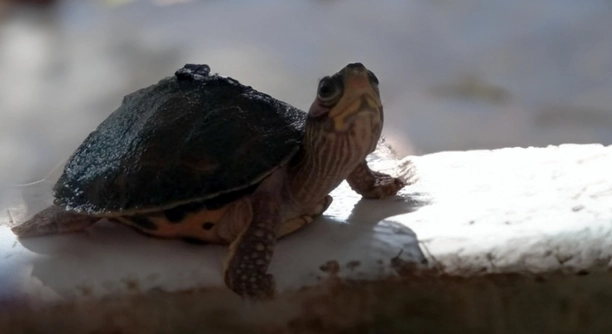
If you’ve noticed your Indian roofed tortoise constantly scratching, it’s natural to feel concerned. Scratching can be a sign of various issues that need attention, whether it’s related to its environment or health.
Excessive scratching in Indian roofed tortoises is often caused by skin irritation, stress, or environmental factors such as improper humidity or temperature. It can also indicate parasites or an underlying health issue, requiring careful observation.
Understanding the root cause will help you address the problem effectively and ensure your tortoise stays happy and healthy. We’ll explore some possible reasons for the scratching and how to fix them.
Common Causes of Scratching in Indian Roofed Tortoises
There are several reasons why your Indian roofed tortoise might be scratching more than usual. One of the most common causes is dry skin. If your tortoise’s environment is too dry, it can lead to discomfort and irritation, prompting it to scratch its skin. Another reason could be improper humidity levels. These tortoises need a humid environment to stay healthy, and without it, their skin can become flaky and itchy. Additionally, poor diet or dehydration can also affect their skin and cause scratching. It’s important to check the humidity levels and ensure your tortoise is eating a balanced diet to help prevent such issues.
The scratching could also point to possible parasites like mites or ticks. If your tortoise is scratching excessively, it might be trying to relieve irritation caused by these pests. A quick check of the shell and skin can help you spot any signs of parasites. If you find any, it’s essential to treat them immediately to avoid further complications.
Regularly adjusting their environment and checking their health is crucial to keep your tortoise comfortable and healthy.
How Stress Can Contribute to Scratching
Stress can be another factor causing your tortoise to scratch. If it feels threatened or uncomfortable in its environment, it may resort to scratching as a way to cope. This stress can come from loud noises, too much handling, or a lack of hiding spots where your tortoise feels secure. It’s important to provide a calm, quiet space for your tortoise to thrive.
Creating a peaceful environment for your tortoise involves limiting any disturbances and ensuring its habitat has enough hiding spots and a consistent temperature. Sudden changes in lighting or temperature can cause stress as well, so it’s essential to maintain a stable setting. Adding some plants or structures like rocks and logs can help make the enclosure feel safer. Additionally, try to avoid unnecessary handling, especially if your tortoise seems stressed during interactions.
Ensuring a stress-free environment not only helps reduce scratching but also supports your tortoise’s overall well-being.
Poor Humidity Levels
One of the main reasons your tortoise might be scratching is low humidity. Indian roofed tortoises require a humid environment to keep their skin healthy and prevent it from drying out. Without the proper humidity, their skin can become irritated, leading to excessive scratching.
To ensure your tortoise is comfortable, maintain humidity levels between 50-70% in its enclosure. You can achieve this by adding a water dish or misting the habitat regularly. If the air is too dry, consider using a humidifier. Regularly monitor the humidity levels using a hygrometer to avoid fluctuations that could stress your tortoise.
Remember, the right humidity not only helps prevent skin irritation but also supports the overall health of your tortoise. Consistent humidity levels can prevent other health problems as well, making it essential to maintain an ideal environment.
Skin Irritation from Substrate
If your tortoise is scratching a lot, it could be reacting to the substrate in its habitat. Substrate such as sand, wood chips, or gravel can irritate the skin if it’s too rough or hasn’t been changed in a while. Old, dirty bedding can also harbor bacteria, which might lead to skin irritation.
Make sure to regularly clean and replace the substrate. Opt for a softer bedding material like coconut coir or orchid bark to avoid skin irritation. Additionally, avoid using substrates that retain too much moisture, as they can become moldy and create more problems for your tortoise. Keeping its environment clean will help reduce scratching and discomfort.
Choosing the right substrate is important for your tortoise’s comfort and health. Soft, clean bedding will help keep your tortoise from scratching and give it a more enjoyable and healthy environment. Keep its habitat tidy to avoid long-term issues.
Mites and Other Parasites
Mites are a common cause of itching and scratching in tortoises. These tiny parasites can latch onto your tortoise’s skin and cause irritation, making them scratch constantly. It’s essential to regularly check your tortoise’s skin and shell for any signs of mites or other external parasites.
If you notice small, reddish spots or scabs on your tortoise’s skin, it might be an indication of a mite infestation. Treating the tortoise with a proper parasite medication is the most effective way to remove them. You should also disinfect the enclosure to prevent further outbreaks.
Parasites can lead to serious skin problems if left untreated. Keeping a close eye on your tortoise’s skin health will help prevent infestations and ensure it stays comfortable.
Poor Diet
A poor diet can cause your tortoise to scratch more than usual. If it’s not getting the right nutrients, its skin might become dry and irritated, leading to excessive scratching. A balanced diet with the right mix of leafy greens, vegetables, and calcium is crucial.
Ensure your tortoise receives a variety of food to maintain proper nutrition. Supplements like calcium and vitamin D3 can also help maintain healthy skin and shell. Avoid feeding your tortoise too many fruits, as they can lead to digestive issues and imbalanced nutrition.
A healthy diet not only prevents skin problems but supports overall well-being, reducing the likelihood of scratching and other health issues.
Temperature Fluctuations
Temperature plays a significant role in your tortoise’s comfort. If the temperature in its enclosure is too hot or cold, it may lead to stress and discomfort, causing it to scratch. Ensure the basking area is around 90°F (32°C) while cooler areas should be around 75°F (24°C).
Make sure the temperature gradient in the enclosure is consistent. Using a reliable thermometer can help you monitor temperature changes throughout the day. Sudden temperature drops or spikes can lead to stress, which may cause scratching behavior. Providing a consistent and controlled environment will help keep your tortoise comfortable.
Proper temperature regulation is key to a healthy tortoise. A stable environment encourages relaxation and prevents scratching due to discomfort.
FAQ
Why is my tortoise scratching all the time?
If your tortoise is scratching constantly, it could be due to skin irritation, dryness, or an uncomfortable environment. Dry air or incorrect humidity levels can cause its skin to dry out, leading to itching. Parasites like mites could also be the cause, as they irritate the skin, causing the tortoise to scratch to relieve discomfort. Lastly, stress or an improper diet may also result in excessive scratching. Check its environment for any temperature or humidity issues and inspect its skin for signs of irritation or parasites.
How can I tell if my tortoise has mites?
Mites are tiny parasites that can be difficult to spot, but there are a few signs to look out for. If your tortoise is scratching excessively, especially around the neck, legs, or under its shell, this could indicate a mite infestation. You may also notice small, red or brown spots on the skin, scabs, or a dull, flaky shell. A closer inspection with a magnifying glass might reveal the mites crawling on the skin. If you suspect mites, it’s best to consult a vet for treatment options.
What is the best humidity level for my Indian Roofed Tortoise?
Indian roofed tortoises thrive in a humid environment. Ideally, the humidity in their enclosure should be between 50-70%. Too low humidity can dry out their skin, causing irritation and scratching, while excessively high humidity can lead to mold growth and respiratory problems. A hygrometer is a handy tool to measure and maintain the right humidity levels in their habitat. You can increase humidity by misting the enclosure or using a humidifier, especially if you live in a dry climate.
How often should I clean my tortoise’s enclosure?
Cleaning your tortoise’s enclosure regularly is essential for its health. You should spot clean daily by removing any uneaten food, waste, and soiled substrate. Full cleaning of the enclosure should be done at least once a week, which includes replacing the substrate, disinfecting surfaces, and washing water dishes. A clean environment helps prevent the buildup of bacteria and mold, which can irritate your tortoise’s skin and lead to scratching or other health problems.
Can temperature cause my tortoise to scratch?
Yes, temperature fluctuations can lead to scratching. If the temperature is too high or too low, your tortoise may become stressed or uncomfortable, leading to increased scratching. Your tortoise needs a temperature gradient in its enclosure with a basking area around 90°F (32°C) and cooler areas around 75°F (24°C). Providing a stable temperature will help your tortoise feel comfortable and reduce the likelihood of stress-induced scratching.
What should I do if my tortoise’s shell is itchy?
An itchy shell could be caused by several factors, including dry skin, parasites, or an unclean environment. First, check the humidity levels in the enclosure. If it’s too low, try increasing the humidity to keep your tortoise’s skin moist. Examine the shell for signs of parasites or fungus. If you notice any abnormalities, take your tortoise to the vet for a proper diagnosis. Keep the shell clean and avoid overbathing your tortoise, as excessive moisture can cause fungal growth.
Is it normal for a tortoise to scratch its shell?
It is normal for tortoises to occasionally scratch their shells, especially when they are trying to adjust their position or stretch. However, if your tortoise is scratching excessively, it may be a sign of an underlying problem, such as skin irritation, poor diet, or a parasite issue. Observe the behavior closely and check for signs of irritation or parasites. If you cannot determine the cause, it may be a good idea to consult a veterinarian for further advice.
Can a poor diet lead to scratching in tortoises?
Yes, a poor diet can contribute to excessive scratching. If your tortoise isn’t getting the right balance of nutrients, it can develop dry, flaky skin or shell problems, which can result in itching. It’s important to feed your tortoise a variety of leafy greens, vegetables, and appropriate supplements like calcium and vitamin D3. Avoid feeding your tortoise too many fruits, as they can cause digestive issues and unbalanced nutrition. A healthy diet promotes healthy skin and reduces the likelihood of scratching.
How do I treat a tortoise for parasites?
If your tortoise has parasites, such as mites or ticks, it’s important to act quickly to treat the problem. You should take your tortoise to a veterinarian for proper diagnosis and treatment. The vet may prescribe topical treatments or medications to get rid of the parasites. Additionally, disinfecting the tortoise’s enclosure and replacing the substrate is crucial to prevent reinfection. Make sure to follow the vet’s instructions carefully and continue to monitor your tortoise for any signs of recurring parasites.
How can I reduce stress in my tortoise?
Stress can lead to scratching and other health issues in tortoises. To reduce stress, create a calm and quiet environment for your tortoise. Avoid excessive handling, especially if it seems agitated. Make sure its enclosure has enough hiding spots, such as rocks, logs, or plants, so your tortoise can retreat when it feels threatened. Keeping the temperature and humidity levels stable is also essential in reducing stress. A stress-free environment promotes a healthy and happy tortoise.
Final Thoughts
It’s important to understand that scratching in an Indian roofed tortoise can stem from several different factors. Whether it’s an issue with humidity, temperature, diet, or the presence of parasites, identifying the root cause is the first step toward helping your tortoise feel better. Regularly monitoring your tortoise’s environment, including its substrate, humidity levels, and temperature, will ensure that it remains comfortable. A balanced diet with the right nutrients is also essential for keeping your tortoise healthy and preventing any skin issues or irritation.
When a tortoise begins to scratch excessively, it’s also essential to look for other signs that might indicate a deeper problem. These could include unusual behavior, changes in appetite, or visible skin problems. If you suspect your tortoise has parasites, such as mites or ticks, it’s important to take quick action. Consulting a veterinarian can help you confirm the issue and provide proper treatment. Parasitic infections can lead to more severe health problems if left unchecked, so being proactive is key. Regular health checkups can also help catch any early signs of illness, keeping your tortoise in good condition for the long term.
In the end, a healthy tortoise requires the right combination of care, attention, and proper environmental conditions. By making sure your tortoise’s habitat is suitable, feeding it a well-balanced diet, and addressing any signs of illness or discomfort promptly, you can minimize the risk of excessive scratching. Taking small but consistent steps to care for your tortoise will help ensure that it lives a happy, healthy life, free from unnecessary irritation.

Hello,
If you enjoy the content that we create, please consider saying a "Thank You!" by leaving a tip.
Every little bit helps us continue crafting quality advice that supports the health, happiness, and well-being of pets around the world, for pets of all shapes, sizes, and species.
We really appreciate the kindness and support that you show us!