
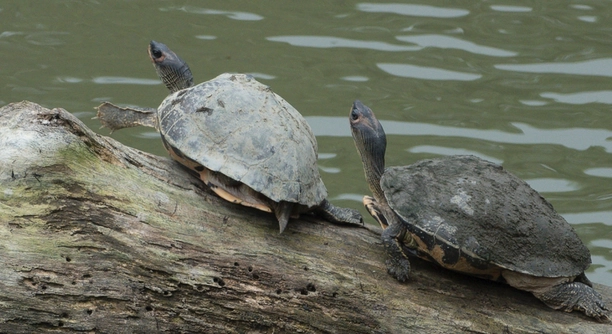
Indian Roofed Tortoises make wonderful pets, but like all animals, they sometimes need extra care. It’s important to be aware of when they might need a trip to the vet.
The health of an Indian Roofed Tortoise can often be gauged by its behavior and physical appearance. Signs such as lethargy, loss of appetite, or abnormal shell changes may indicate that veterinary attention is necessary.
Recognizing these signs early on can make a big difference in your tortoise’s health. Understanding when to seek professional help ensures that your pet gets the care it needs.
1. Lack of Appetite or Difficulty Eating
When an Indian Roofed Tortoise refuses to eat, it can be a sign of a problem. Tortoises may go through short periods of not eating, but prolonged lack of appetite can indicate health issues such as infections or digestive problems. Additionally, if your tortoise seems to struggle when eating, like having difficulty biting or swallowing food, it’s time to consult a vet. A change in appetite may be due to improper diet, stress, or a more serious illness.
If your tortoise is not eating, it’s important to keep track of how long the behavior lasts. Tortoises can go without food for a short time, but if it continues for more than a couple of days, it could be a warning sign.
Stress, improper enclosure conditions, or illnesses can all impact your tortoise’s eating habits. A thorough check-up will help rule out any underlying issues, ensuring your pet stays healthy. Keep in mind that changes in eating habits should never be ignored.
2. Lethargy or Unusual Inactivity
Lethargy is another common sign that something may be wrong with your tortoise. If your tortoise is usually active but becomes unusually still and inactive, it could indicate an underlying health concern.
Indian Roofed Tortoises are naturally curious and active animals. They require exercise and mental stimulation to stay healthy. When they begin to show little interest in their surroundings or spend most of the day hidden in their shell, it can be a sign of dehydration, infection, or even a more serious illness. A sudden drop in energy levels can also point to environmental issues like incorrect temperature or humidity levels.
If your tortoise’s lethargy persists, it’s essential to get it checked by a vet. Tortoises are good at hiding illness, so subtle signs of sickness can easily be overlooked. A vet will help determine if your tortoise is suffering from an infection, dehydration, or any other health issue. Addressing the problem early can lead to a faster recovery and a happier, healthier tortoise.
3. Abnormal Shell Appearance
If your tortoise’s shell starts to look abnormal, it’s important to seek help right away. A soft or deformed shell can be a sign of malnutrition, improper care, or an underlying health issue.
A healthy shell should be hard and smooth. If it becomes soft, swollen, or develops cracks, these may indicate dehydration, calcium deficiency, or infections. Shell rot is another serious condition that can cause discoloration and foul smells. It’s important to inspect your tortoise’s shell regularly for any changes.
If you notice any abnormal changes, take your tortoise to the vet as soon as possible. Prompt treatment can prevent further damage to the shell and help treat any underlying conditions, ensuring your pet remains healthy.
4. Trouble Breathing or Nasal Discharge
Trouble breathing or noticing discharge from your tortoise’s nose are signs that they may be dealing with respiratory issues. Respiratory infections are common in tortoises and can be caused by improper temperatures or poor diet.
Tortoises that wheeze, breathe with their mouth open, or have nasal discharge may be suffering from a respiratory infection. This condition can be serious, so it’s essential to seek immediate veterinary care. Untreated respiratory issues can lead to pneumonia and other complications.
To prevent respiratory issues, ensure your tortoise’s enclosure maintains the proper humidity and temperature. If your tortoise shows any signs of difficulty breathing or has nasal discharge, don’t wait to get them checked. A vet will be able to diagnose the problem and start treatment, which is crucial for recovery.
5. Swollen Eyes or Discharge Around the Eyes
Swollen or watery eyes in your tortoise can indicate an eye infection or other underlying issues. It may also be a sign of dehydration or nutritional deficiencies.
If your tortoise’s eyes are swollen, clouded, or discharge is visible, it’s essential to address the issue immediately. Eye infections are common but can lead to permanent damage if not treated promptly.
A vet will assess the severity of the eye condition and suggest the appropriate treatment, which may include antibiotics or eye drops. Timely action can prevent further complications, ensuring your tortoise’s vision and overall health are protected.
6. Unusual Feces or Urine
Changes in your tortoise’s droppings or urine can indicate a variety of health problems. It’s important to monitor both for any signs of distress or abnormalities.
Loose stools or diarrhea can be a sign of a gastrointestinal issue, bacterial infection, or parasite. On the other hand, hard or dry feces may indicate dehydration. Urinary changes like blood in the urine or a decrease in urination could also signal a health issue that needs medical attention.
Keeping track of your tortoise’s waste habits can help spot problems early on. If you notice any changes in their feces or urine, it’s best to consult a vet. The vet can run tests and provide treatment options to address the cause and prevent further complications.
7. Behavioral Changes or Aggression
Behavioral changes in your tortoise, such as increased aggression or withdrawal, can be signs of illness or stress. This can also indicate an underlying health issue, like pain or discomfort.
Tortoises are typically calm animals, but they may become more defensive or even aggressive if they are unwell or uncomfortable. Stress from improper environmental conditions or handling can also lead to changes in behavior. If your tortoise is behaving unusually, it’s important to assess the situation and check if there are environmental factors contributing to the behavior.
Consulting a vet will help identify the cause and guide you on how to care for your tortoise to keep them calm, comfortable, and healthy.
FAQ
1. How can I tell if my Indian Roofed Tortoise is sick?
Some common signs that your tortoise may be unwell include loss of appetite, lethargy, abnormal shell appearance, or difficulty breathing. If you notice any of these changes, it’s best to consult a vet right away. Tortoises often hide their illness, so staying alert to these subtle signs is crucial. Regular checkups are also a good way to stay ahead of potential health issues.
2. What should I do if my tortoise isn’t eating?
If your tortoise refuses to eat for more than a couple of days, it’s time to seek veterinary help. The lack of appetite can be caused by stress, improper environment conditions, or a health issue like an infection or digestive problem. Ensure that the habitat is correct with appropriate temperature, humidity, and lighting. Additionally, check if the diet is balanced and varied to encourage healthy eating.
3. How can I prevent shell rot in my tortoise?
To prevent shell rot, it’s important to maintain a clean and dry environment for your tortoise. Ensure their enclosure is well-ventilated and that they are not exposed to excessive moisture. If your tortoise has been exposed to wet conditions for too long, dry them off and inspect their shell regularly. Providing a proper diet that includes calcium and other nutrients will also help maintain a healthy shell. Regular cleaning of the enclosure and checking the tortoise for any shell damage can prevent the issue from worsening.
4. My tortoise is acting unusually aggressive, should I be concerned?
Behavior changes, like increased aggression or withdrawal, can be a sign of stress, illness, or environmental issues. It’s important to check whether your tortoise’s living conditions are appropriate, including their habitat temperature, humidity, and lighting. Aggression could also indicate that the tortoise is in pain, either from a physical injury or illness. If these changes last more than a few days, it’s advisable to consult a vet to rule out any medical conditions.
5. What’s the best diet for an Indian Roofed Tortoise?
A well-balanced diet is essential for your tortoise’s health. The diet should consist mainly of leafy greens like dandelion, kale, and collard greens. You can also offer some vegetables like carrots, squash, and bell peppers, as well as occasional fruit. It’s important to avoid feeding them high-protein foods like meat or dog food, as this can lead to health problems. Additionally, providing a calcium supplement and ensuring access to clean water will help maintain strong bones and a healthy shell.
6. Why is my tortoise’s shell soft or deformed?
A soft or deformed shell can be a sign of calcium deficiency, improper diet, or an infection. This is often a result of poor nutrition or lack of sunlight, which is necessary for calcium absorption. Make sure your tortoise’s diet includes proper sources of calcium, like dark leafy greens, and that it receives enough UVB light, either from natural sunlight or UVB bulbs. If the issue persists, consult a vet to rule out underlying health conditions.
7. What should I do if my tortoise has nasal discharge?
Nasal discharge in tortoises is a common sign of respiratory infection. This condition can be caused by stress, poor living conditions, or exposure to cold temperatures. If your tortoise has nasal discharge or seems to have difficulty breathing, take them to the vet as soon as possible. Early treatment can help prevent the infection from spreading to the lungs and causing pneumonia. Ensuring that the tortoise’s enclosure maintains the correct temperature and humidity will help prevent respiratory issues in the future.
8. How often should I take my tortoise to the vet?
It’s important to schedule regular vet visits to keep your tortoise in good health. At least once a year, your tortoise should have a checkup to ensure they are not suffering from any underlying issues. If you notice any changes in behavior or health, it’s always best to see the vet sooner. Early detection of any potential problems can lead to more effective treatment and a longer, healthier life for your pet.
9. Why is my tortoise losing weight?
Weight loss in tortoises can be a sign of several health problems, including digestive issues, infections, or parasites. A decrease in appetite or difficulty eating can also contribute to weight loss. Ensure your tortoise is eating a proper, balanced diet, and check for any environmental factors that might be affecting its health, such as temperature or humidity levels. If weight loss continues, it’s crucial to seek veterinary care to determine the cause and begin treatment.
10. Can my tortoise’s eyes be infected?
Yes, tortoises can develop eye infections, which may cause swollen, cloudy, or watery eyes. Infections can be caused by bacteria, poor living conditions, or injury. If you notice discharge or swelling around your tortoise’s eyes, it’s best to take them to the vet for proper treatment. Eye infections can worsen if not treated promptly, so it’s important to address the issue as soon as possible to prevent long-term damage.
11. How can I help my tortoise if it seems stressed?
Stress in tortoises can be caused by many factors, including improper habitat conditions, sudden environmental changes, or overhandling. Ensure that your tortoise’s enclosure has proper lighting, temperature, and humidity. Avoid moving them around too much and give them space to feel secure. If the stress is due to illness, seek veterinary help to rule out any medical conditions that may be causing discomfort. Reducing stress is key to your tortoise’s overall health and well-being.
Final Thoughts
Taking care of an Indian Roofed Tortoise requires more than just providing food and water. Like any pet, they need regular attention to ensure their health and happiness. It’s important to recognize the signs that indicate when your tortoise may need a vet visit. Small changes in their behavior, appetite, or physical appearance can be signs of underlying health problems that may need professional care. By staying vigilant and responding to these changes early, you can help ensure your tortoise remains healthy for years to come.
Regular checkups with a vet are essential to address any potential issues and maintain good health. Tortoises are known for hiding symptoms of illness, so being proactive and observing their behavior is key. Simple things, like maintaining the proper habitat conditions or offering a balanced diet, can prevent many health problems from occurring in the first place. Remember, a little extra effort on your part can make a big difference in the long-term well-being of your tortoise.
Lastly, if you’re ever unsure about your tortoise’s health, don’t hesitate to seek professional advice. A vet can provide you with the best guidance and treatment options to ensure your tortoise stays in top shape. Regularly monitoring their behavior and health, along with providing proper care, will allow your tortoise to thrive in its home. Understanding the signs that indicate a need for veterinary attention is crucial for ensuring your tortoise lives a long, happy, and healthy life.

Hello,
If you enjoy the content that we create, please consider saying a "Thank You!" by leaving a tip.
Every little bit helps us continue crafting quality advice that supports the health, happiness, and well-being of pets around the world, for pets of all shapes, sizes, and species.
We really appreciate the kindness and support that you show us!