
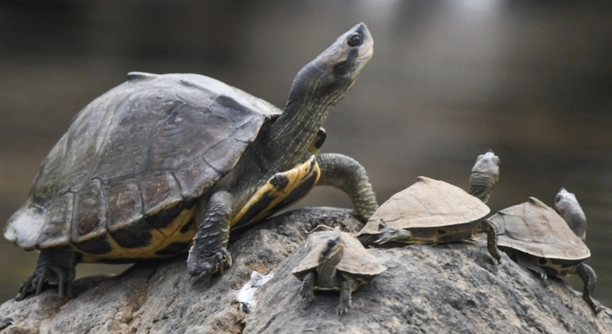
The Indian Roofed Tortoise is a fascinating creature, often displaying unique behaviors. If you’ve noticed your tortoise always facing one direction, you’re likely wondering if this behavior is normal or if there’s an underlying cause.
Tortoises, including the Indian Roofed Tortoise, tend to face one direction due to their natural instincts and environmental factors. This could be related to their orientation towards light, temperature regulation, or a preference for a specific view or location.
Understanding this behavior can help ensure your tortoise is healthy and comfortable in its environment. There are several factors contributing to this, and we’ll explore them further to provide a clearer picture of your tortoise’s habits.
Why Do Tortoises Face One Direction?
There are several reasons your Indian Roofed Tortoise might be facing the same direction all the time. One common factor is their natural instinct to orient themselves toward a specific source of warmth or light. In the wild, tortoises seek out the sun to regulate their body temperature. In captivity, they may face toward a heat lamp or window where sunlight enters. This behavior helps them stay warm and comfortable. It’s a survival mechanism that dates back to their ancestors.
Tortoises are also known to be creatures of habit. Once they find a spot they enjoy, they may stay in that position for a long time. Over time, they can develop routines based on comfort and familiarity.
The environment plays a big role as well. If you notice your tortoise facing a certain direction, it could also be trying to keep an eye on an object or area in its habitat that it finds interesting or safe. It’s possible your tortoise simply prefers the view from that angle.
Temperature Regulation
Temperature plays a key role in why your tortoise faces a particular direction. Tortoises rely on their environment to maintain the right body heat. In captivity, they often gravitate towards a heat source. If your tortoise consistently faces a heat lamp or a sunny spot, it could be trying to regulate its body temperature. If the temperature in their enclosure isn’t consistent, they might face that area more frequently to stay warm or cool down.
A tortoise’s need for warmth can influence many behaviors. If you’ve ever noticed them following the sun’s path through the day or leaning towards their heat source, this is their way of finding the perfect spot to stay comfortable. If they are consistently facing the same direction, it may mean they’ve found an optimal spot to spend their time.
A Sense of Security
Your Indian Roofed Tortoise might be facing one direction simply because it feels safe and secure there. Tortoises can be quite cautious and prefer to be in a position where they can see potential threats or feel protected. If they are in a corner or a secluded area, they may choose to face a particular direction as it gives them a sense of control over their surroundings.
The choice of direction might also be linked to their comfort zone. If there’s something in the environment, like a familiar object or hiding space, they might feel safer facing it. When tortoises are placed in new surroundings, they often adjust their position for a better sense of security. You might notice them getting more comfortable with time and even switching their preferred direction.
More About Their Behavior
Sometimes, the direction a tortoise faces may not be tied to any specific need like warmth or security. They could simply enjoy the view from that particular angle. Just like people, tortoises can have individual preferences about where they like to rest or face. Observing your tortoise over time can give you more insight into whether it’s following an instinct, seeking comfort, or just preferring a certain view.
Each tortoise is unique, so it’s essential to watch how it interacts with its habitat. If the behavior is consistent, it may not be anything to worry about. However, if there are sudden changes, it could be a sign that their environment needs adjustment. The key is to monitor and ensure their comfort, as well as their access to light, warmth, and security.
Environmental Factors
The environment plays a crucial role in why your tortoise faces one direction. If there’s a specific spot in their enclosure that provides better lighting or warmth, they may stay there more often. Their choice can also be influenced by obstacles or the layout of their habitat.
For example, if your tortoise faces a window, it could be seeking natural sunlight. The direction might also give them a clearer view of their surroundings. A spot near the glass might feel safer because they can monitor movement outside their habitat, keeping them alert to any changes.
Some tortoises also favor corners or places with less disturbance. If there’s a specific structure, like a rock or hiding spot, they could choose to face it for added security. They may have picked that spot over time as the most comfortable and secure place to be.
Health and Comfort
Health issues might also influence your tortoise’s behavior. If they are facing the same direction regularly, it could indicate a preference based on their health or physical comfort. Tortoises can experience pain or discomfort from an injury or illness, and facing one direction might reduce that.
It’s possible that your tortoise faces away from areas where they feel discomfort or have difficulty moving. If the tortoise is not eating well or seems lethargic, the behavior could be linked to some underlying health issue. A change in behavior like constantly facing one direction might signal it’s time to check their health.
Be sure to observe whether their behavior shifts if they are not in pain or discomfort. If your tortoise is otherwise healthy and content, this could simply be a preference based on routine or environmental comfort.
Routine and Habits
Tortoises are creatures of habit. If your Indian Roofed Tortoise faces one direction regularly, it could simply be because they’ve gotten used to it. Animals, including tortoises, tend to return to the same spots if they feel comfortable.
This repetitive behavior could be due to a routine they’ve built. Once they find a spot they like—whether it’s a certain corner, a patch of sunlight, or a preferred object—they may keep facing that direction. Tortoises tend to feel safer and more secure in familiar environments, which encourages this kind of behavior.
Psychological Factors
Tortoises can develop psychological preferences over time. If they’ve experienced stress, changes in their environment, or even interactions with you, they might face a specific direction for comfort. This behavior could be a response to feeling secure in a familiar position.
Tortoises also show preferences when it comes to certain views or areas that they associate with safety. For example, they might face toward a spot where they feel protected, like behind a rock or near their hide. The direction they choose could be their way of managing stress and feeling calm.
FAQ
Why is my tortoise facing the wall all the time?
If your tortoise is constantly facing a wall, it might be because it’s seeking a safe and secure spot. Tortoises naturally enjoy hiding in corners or areas where they feel protected. If it’s facing the wall, it may be its way of retreating from disturbances or observing its surroundings without feeling exposed. It’s important to ensure the environment is comfortable for them, with adequate hiding spaces and warmth. If this behavior persists or if the tortoise shows signs of stress, you may need to reassess the habitat.
Is it normal for my tortoise to keep facing the same direction for days?
Yes, it is normal for a tortoise to face the same direction for an extended period, especially if it feels comfortable and secure. Tortoises are creatures of habit, and they tend to stay in the same spots, particularly if there is a heat source, sunlight, or a preferred view. As long as the tortoise appears healthy and active, this behavior is not usually a concern. However, keep an eye out for signs of distress or discomfort, as consistent behavior like this could also indicate a health issue or environmental discomfort.
Could my tortoise be sick if it is always facing one direction?
Not necessarily. While facing one direction could indicate that something in the environment is influencing their behavior, such as a heat source or a safe spot, it could also be a sign of stress or illness. If your tortoise is eating, drinking, and behaving normally otherwise, it’s likely just part of their routine. However, if they are also showing signs of lethargy, lack of appetite, or other unusual behavior, it would be wise to consult a veterinarian to rule out health issues.
What can I do if my tortoise keeps facing the same direction and seems inactive?
If your tortoise is facing the same direction and seems less active than usual, start by examining its habitat. Check that it has access to appropriate lighting, warmth, and space. A tortoise that is too cold or overheated might stay in a particular spot to regulate body temperature. Ensure it’s getting proper nutrition and hydration. If the behavior continues for several days, or if your tortoise shows signs of illness, a check-up with a vet is recommended to ensure everything is alright.
Is it possible that my tortoise is just bored?
Boredom can also be a reason for a tortoise to stay facing one direction or stay in one spot for a long time. If your tortoise is in a small or monotonous environment with few things to explore, it could become inactive or prefer staying in a familiar spot. You can try adding new objects, hiding food, or changing the layout of its enclosure to give your tortoise something new to engage with. Providing stimulation can help reduce boredom and encourage natural behaviors.
How can I tell if my tortoise’s behavior is related to its environment?
The environment plays a significant role in your tortoise’s behavior. If your tortoise faces one direction consistently, check if that area has a heat source, light, or a view of something that interests it. Tortoises will often choose a spot that provides comfort, security, or warmth. Pay attention to changes in behavior when you adjust the habitat, such as adding new furniture, changing the light, or altering the temperature. If the tortoise seems more active or changes position, it’s likely responding to the environment.
Should I be concerned if my tortoise faces the same direction during hibernation?
During hibernation, it’s normal for tortoises to stay in one position for extended periods. They may orient themselves in a specific direction as part of their natural resting state. If your tortoise is hibernating, it’s best to leave them undisturbed unless you notice signs of distress. Ensure that their hibernation area is safe and free from drafts or temperature extremes. If you’re concerned about their health during hibernation, consulting a vet is always a good idea.
Can my tortoise’s behavior be a sign of territoriality?
Tortoises are generally not territorial in the same way some other reptiles are, but they can show a preference for certain areas within their habitat. If your tortoise faces one direction because of a specific object or location it favors, this could be a sign that it feels more secure or comfortable there. If there are multiple tortoises in the same space, you may see more behaviors related to territoriality, but for a single tortoise, facing a certain direction is likely a preference or habit.
How do I make my tortoise’s environment more comfortable?
To make your tortoise feel more comfortable and avoid repetitive behavior, ensure the enclosure has a variety of spaces for it to explore. Include areas with different temperatures, such as a basking spot under a heat lamp and a cooler area to regulate body temperature. Add hiding spots, rocks, or plants to create a more natural environment. Regularly clean the habitat and provide fresh water and food. These changes can help stimulate your tortoise and offer new spots to rest, reducing the likelihood of it facing the same direction for long periods.
Why does my tortoise face away from its food?
If your tortoise consistently faces away from its food, it might be experiencing discomfort or simply not recognizing the food as something it wants to eat at that moment. This could be a sign that it’s not hungry or isn’t interested in that type of food. Tortoises can be picky eaters, so changing their food variety might help. Alternatively, it could also be related to the tortoise’s behavior of staying in a familiar direction for comfort, so try moving the food to a different spot or changing its presentation. If eating problems persist, consider consulting a veterinarian to rule out health issues.
Final Thoughts
Understanding your Indian Roofed Tortoise’s behavior, like consistently facing one direction, is key to ensuring its well-being. Tortoises are creatures of habit and comfort, often choosing specific spots in their enclosure for warmth, security, or simply familiarity. As long as they seem healthy, eating, drinking, and behaving normally, facing one direction is typically not something to worry about. It could just be a sign that your tortoise has found a spot it feels comfortable in, whether it’s because of the warmth of the sun or the safety of a corner.
However, if you notice changes in behavior or your tortoise is more inactive than usual, it’s worth investigating its environment further. Make sure that the enclosure has a proper temperature gradient, access to light, and hiding spots that allow your tortoise to feel secure. Also, observe whether the tortoise is facing a particular direction for reasons other than warmth or comfort. Sometimes, health issues can manifest through behavior changes, so if your tortoise seems off, it’s always a good idea to consult a veterinarian to rule out any potential problems.
In the end, each tortoise is unique, and the way they behave will vary depending on their individual preferences and needs. As long as you monitor their habits, ensure their habitat is well-maintained, and keep an eye on their overall health, your tortoise will likely thrive. Facing one direction is just one of many quirks your tortoise may have, and understanding these habits will help you create a better environment for it to live in comfortably and happily.

Hello,
If you enjoy the content that we create, please consider saying a "Thank You!" by leaving a tip.
Every little bit helps us continue crafting quality advice that supports the health, happiness, and well-being of pets around the world, for pets of all shapes, sizes, and species.
We really appreciate the kindness and support that you show us!