
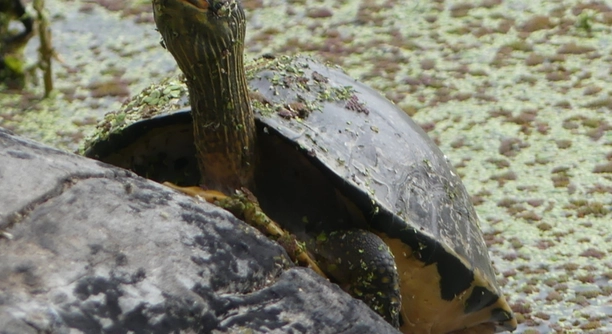
If you have an Indian Roofed Tortoise, you know how important it is to care for them properly. These gentle reptiles can be prone to injuries, especially to their tails, which need attention right away.
To identify and treat an injured Indian Roofed Tortoise tail, carefully observe for signs of swelling, bleeding, or abnormal movement. Cleaning the wound with antiseptic and ensuring proper healing conditions are essential. If the injury is severe, seek professional help.
Taking care of your tortoise’s tail injury requires patience and the right knowledge. By understanding how to manage these injuries properly, you can prevent further issues and help your pet heal effectively.
Identifying Tail Injuries in Indian Roofed Tortoises
Indian Roofed Tortoises are generally hardy animals, but they can suffer from tail injuries. These injuries often occur from physical trauma, improper handling, or accidents in their environment. The tail can be quite sensitive, so it’s crucial to know what signs to look for when assessing an injury. Common symptoms of a tail injury include swelling, bleeding, and the tortoise displaying discomfort when moving or sitting. You may also notice the tortoise’s tail hanging in an unusual position or being dragged on the ground. If the injury is severe, it might cause a visible deformity or inability to move the tail properly. This is when immediate care becomes essential to avoid further damage and pain. Monitoring your tortoise closely after any potential trauma helps catch issues early, which can make the difference in treatment and recovery.
If you notice any signs of injury, it is important to act quickly and provide the proper care. Delayed treatment can lead to complications like infection or permanent damage.
Identifying a tail injury early can be the key to preventing more serious issues. By observing your tortoise’s behavior and checking for visible changes in the tail, you’ll be able to respond quickly. It’s also important to check for other signs of distress or injury that might indicate further concerns with their health.
How to Treat an Injured Tortoise Tail
Treating a tail injury begins with assessing the severity of the wound. For minor cuts or abrasions, gently clean the area with warm water and mild antiseptic. Avoid using harsh chemicals or ointments as they can cause irritation. If the injury is more serious, apply a clean bandage and keep the area dry to reduce the risk of infection. It’s essential to create a quiet, stress-free environment for your tortoise while it recovers. This will promote faster healing and avoid further complications.
For severe injuries, such as deep cuts or broken tails, immediate professional care is needed. Take your tortoise to a reptile veterinarian as soon as possible. These types of injuries may require stitches or more advanced medical attention to ensure the tail heals properly.
Your tortoise’s recovery will depend on how well the injury is treated. After initial first aid, monitor your tortoise closely for signs of infection, such as redness, swelling, or discharge. If any of these symptoms occur, seek veterinary assistance right away. Ensure the injured tortoise stays in a comfortable and clean environment to speed up recovery. Giving your tortoise a proper diet with adequate calcium and vitamins will also support the healing process. Patience is important, as full recovery can take time.
Signs of Infection in an Injured Tortoise Tail
Infection can set in quickly if the tail injury is not treated properly. Look for signs such as increased redness, swelling, or discharge from the wound. A foul smell could also indicate the presence of bacteria. Your tortoise may become more lethargic or have difficulty moving, which suggests discomfort or pain.
If any of these symptoms appear, it’s crucial to take immediate action. Cleaning the wound regularly and keeping the injury area dry can help reduce the risk of infection. If the infection worsens, or you notice pus or a noticeable change in your tortoise’s behavior, consult a vet for antibiotics or further treatment.
In some cases, an untreated infection can spread to other parts of the body, causing more serious health issues. A veterinarian may prescribe topical treatments or oral medication to combat the infection. If the infection is severe, surgery might be needed to remove damaged tissue and prevent further complications. Healing from an infection requires close monitoring to ensure your tortoise fully recovers.
Preventing Tail Injuries in Tortoises
Preventing tail injuries in tortoises involves creating a safe and secure environment. Keep sharp objects, rough surfaces, or anything that could potentially harm them out of reach. Avoid dropping your tortoise or handling it too roughly. Be mindful of where they roam, as they can easily hurt themselves in unfamiliar surroundings.
Ensuring that your tortoise has enough space to move around comfortably is key. A secure enclosure with soft bedding is ideal for preventing accidental tail injuries. Additionally, consider checking for any possible hazards in their environment, like other animals that could potentially harm them. By regularly inspecting the living space, you can catch potential dangers early and make necessary adjustments.
When to Seek Veterinary Help for a Tortoise Tail Injury
If the injury is severe, or if your tortoise shows signs of worsening pain or infection, seek veterinary help immediately. Delaying professional care could lead to further complications, such as long-term damage or infection. A veterinarian will properly assess the injury and offer the best treatment options.
Veterinarians can perform detailed examinations, recommend medication, or suggest more advanced treatments such as stitches or surgical intervention. They’ll also provide guidance on aftercare and recovery, ensuring your tortoise heals properly. Don’t hesitate to reach out if the injury doesn’t improve or seems to be getting worse.
The Role of Diet in Recovery
A proper diet plays a crucial role in your tortoise’s recovery. Ensure they are getting a balanced meal with enough vitamins and minerals. Foods rich in calcium, such as leafy greens, can support bone health and assist in tissue repair. Hydration is also important to prevent dehydration during the healing process.
FAQ
How can I tell if my tortoise’s tail injury is serious?
If the injury causes swelling, bleeding, or abnormal movement in the tail, it’s a sign that something is wrong. A serious injury might cause visible deformities or the inability to move the tail. If your tortoise seems to be in significant pain or has trouble walking, it’s important to assess the injury carefully. Serious injuries may require veterinary intervention to avoid further complications.
Can I treat a tortoise tail injury at home?
For minor injuries, such as small cuts or scrapes, you can treat your tortoise at home. Clean the wound with warm water and mild antiseptic. After cleaning, apply a clean bandage and keep the area dry. For more severe injuries, like deep cuts or fractures, it’s best to seek professional help immediately.
What should I do if the tail injury starts to bleed?
If your tortoise’s tail is bleeding, apply gentle pressure with a clean cloth or bandage to stop the bleeding. After that, clean the area carefully with warm water and an antiseptic. If the bleeding doesn’t stop within a few minutes or the injury is deep, take your tortoise to the vet for treatment.
How long will it take for my tortoise’s tail injury to heal?
The healing time depends on the severity of the injury. Minor wounds may heal in a few days to a week, while more serious injuries could take several weeks to fully recover. During the healing process, ensure your tortoise is kept in a clean, stress-free environment and provide proper nutrition to support recovery.
Is there anything I should avoid while treating my tortoise’s tail injury?
Avoid using harsh chemicals or strong antiseptics, as these can irritate your tortoise’s sensitive skin. Never apply ointments that are not specifically designed for reptiles. Also, avoid handling your tortoise too much during the healing process, as it could worsen the injury or cause unnecessary stress.
How can I prevent my tortoise from getting tail injuries in the future?
To prevent future injuries, make sure your tortoise’s environment is safe. Keep sharp objects, rough surfaces, and other potential hazards out of their reach. When handling your tortoise, always be gentle and cautious. Ensure that the enclosure provides enough space for your tortoise to move around without risk of injury.
When should I take my tortoise to the vet for a tail injury?
If the injury is severe, causes excessive pain, or shows signs of infection, such as pus, excessive swelling, or a foul odor, you should take your tortoise to the vet right away. If the tail injury doesn’t improve after a few days or seems to be getting worse, professional care is necessary.
Can I use over-the-counter antibiotics for my tortoise’s tail injury?
It’s best not to use over-the-counter antibiotics without consulting a veterinarian. Some medications that work for other animals may not be safe for tortoises. A veterinarian can prescribe the right treatment to ensure your tortoise heals properly and avoids complications from using inappropriate medications.
How do I know if my tortoise’s tail injury is infected?
Signs of infection include redness, swelling, warmth around the wound, or pus coming from the injury. A bad smell and a noticeable change in behavior, such as lethargy or a loss of appetite, may also indicate an infection. If you notice any of these symptoms, seek veterinary help immediately.
What kind of food should I feed my tortoise during recovery?
During recovery, it’s important to feed your tortoise a diet rich in vitamins, calcium, and other essential nutrients. Leafy greens such as kale, dandelion, and collard greens are great choices. You can also offer small amounts of fruit for added hydration. Make sure your tortoise has access to fresh water at all times.
Can stress affect the healing of my tortoise’s tail injury?
Yes, stress can slow down the healing process. A stressed tortoise may not eat properly or may become more prone to infection. Keeping the environment calm and providing a quiet, comfortable space for recovery will help your tortoise heal faster. Avoid handling them too much and make sure the enclosure is clean and safe.
Final Thoughts
Taking care of an injured Indian Roofed Tortoise tail requires attention and patience. Whether the injury is small or more serious, knowing how to identify and treat the injury can make a big difference in recovery. While minor wounds can often be treated at home with basic cleaning and care, more severe injuries may require professional help from a veterinarian. Keeping a close eye on your tortoise for any signs of infection or worsening symptoms is important, as untreated injuries can lead to more complications. A simple injury can become a serious problem if not addressed early on.
Preventing tail injuries in the first place is always better than having to treat them. Creating a safe environment for your tortoise to roam and making sure they are handled gently can significantly reduce the risk of injury. By regularly checking their habitat for hazards and being mindful of their movements, you can help keep your tortoise safe. Also, maintaining a balanced diet with enough calcium and nutrients supports their overall health, which helps prevent injuries from becoming too severe. If you notice any behavioral changes or signs of injury, don’t hesitate to act quickly and address the issue.
Remember, your tortoise’s well-being is in your hands, and staying on top of their care is crucial for their health and comfort. By providing proper treatment for injuries and fostering a safe environment, you can help your tortoise recover fully and live a healthy life. With proper attention and care, your tortoise will have the best chance of healing and living happily without long-term issues from tail injuries. Always seek professional help if you’re unsure about how to handle an injury or if things don’t seem to improve.

Hello,
If you enjoy the content that we create, please consider saying a "Thank You!" by leaving a tip.
Every little bit helps us continue crafting quality advice that supports the health, happiness, and well-being of pets around the world, for pets of all shapes, sizes, and species.
We really appreciate the kindness and support that you show us!