
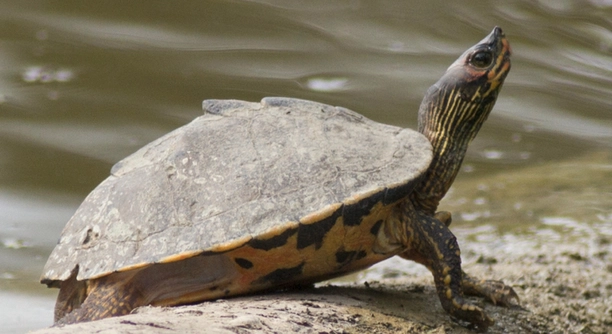
Indian Roofed Tortoises are popular pets due to their calm nature and unique appearance. However, maintaining a healthy diet for them can be tricky, especially when it comes to overfeeding. Understanding the right balance is crucial.
Overfeeding in Indian Roofed Tortoises can lead to obesity, digestive issues, and other health problems. The best way to prevent overfeeding is to monitor their diet closely, provide appropriate portion sizes, and offer a variety of fresh vegetables.
In this article, we will guide you on how to avoid overfeeding and ensure your tortoise stays healthy and happy.
Why Overfeeding is Harmful to Indian Roofed Tortoises
Overfeeding an Indian Roofed Tortoise can cause a range of health issues, with obesity being one of the most common problems. Tortoises are naturally slow eaters, and when they are given too much food, they can quickly gain weight, which puts strain on their bones and organs. This can lead to mobility problems and even shorten their lifespan. Overfeeding also disrupts their digestive system, making it harder for them to process food properly. This could cause bloating or other digestive problems, impacting their overall well-being. It’s important to feed your tortoise just the right amount to keep them healthy and active.
Balancing the amount of food you offer is essential for maintaining a healthy weight and preventing digestive issues. Overfeeding often happens because owners may mistakenly think they need to give their tortoise more food to keep them full.
To avoid this, it’s crucial to monitor your tortoise’s food intake and stick to the recommended portions. You should focus on feeding them fresh vegetables and leafy greens. Providing a variety of foods ensures they get the necessary nutrients without overeating. Another key aspect is feeding them regularly, but not excessively. You can offer food once a day, with smaller portions. If you’re unsure, it’s best to consult a vet for portion guidance.
Proper Feeding Habits for Indian Roofed Tortoises
Creating a feeding routine helps keep your tortoise healthy and free from the risks of overfeeding. A consistent schedule ensures they get enough food without the temptation to overeat.
The feeding process should be simple but effective. Make sure the food is always fresh, washed thoroughly, and free of pesticides. You can feed your tortoise a mix of leafy greens, such as dandelion greens, kale, and collard greens. Offering high-fiber foods helps maintain digestive health and prevents overeating. Avoid feeding them fruits too often, as these are high in sugar. Instead, focus on nutrient-rich vegetables.
Having set meal times also helps prevent overeating, as your tortoise will learn when to expect food and when to wait. Additionally, avoid leaving food out for too long. If your tortoise doesn’t finish their meal within an hour, remove the leftover food to prevent spoilage. This practice also encourages your tortoise to eat a balanced amount at each meal.
Recognizing the Signs of Overfeeding in Indian Roofed Tortoises
Signs of overfeeding can be easy to miss, but it’s important to look out for them. Excessive weight gain, slow movement, and less interest in exercise are some common indicators.
If your tortoise is gaining weight rapidly or seems sluggish, it’s time to reassess their diet. An overfed tortoise may also develop a soft shell or difficulty moving around. Their digestive system could become sluggish, leading to constipation or bloating. Regularly monitor their body condition to catch these signs early. If these issues persist, a visit to the vet for proper care may be necessary.
Pay attention to their behavior as well. A healthy tortoise should be curious and active, not just focused on eating. Overfeeding can lead to a tortoise becoming less interested in exploring its environment. A decrease in activity could indicate that they are feeling the effects of too much food and insufficient exercise. Keeping track of their behavior can help you adjust their diet before it becomes a bigger problem.
Portion Control for Indian Roofed Tortoises
Portion control is vital for preventing overfeeding. You need to ensure that the amount you give your tortoise is suitable for its size and age.
For adult Indian Roofed Tortoises, offering around 3-4 tablespoons of food per feeding is sufficient. If your tortoise is a juvenile, start with a smaller amount and gradually increase as they grow. It’s better to underfeed slightly than overfeed. Adjust portion sizes based on their activity level and weight. Avoid constantly refilling their food bowl, as it may encourage overeating. It’s also important to avoid feeding them more than once a day to prevent excessive consumption.
Feeding them a variety of vegetables provides necessary nutrients without overloading them with calories. Rotate foods to maintain a balanced diet. Monitoring their weight every few weeks will give you an idea of whether their portions are appropriate. Keeping the portions consistent helps prevent the temptation to overfeed, ensuring they remain healthy without gaining excess weight.
The Role of Exercise in Preventing Overfeeding
Exercise is just as important as diet for preventing overfeeding. Regular movement helps your tortoise burn calories and maintain a healthy weight.
Encourage your tortoise to roam in a safe, enclosed space. Offering objects for climbing or digging can keep them active. If they have more opportunities to move, they will naturally be less focused on food.
Feeding Frequency for Indian Roofed Tortoises
Feeding frequency is crucial in preventing overfeeding. It’s best to feed your tortoise once a day to establish a routine.
Feeding them too often can lead to excess weight. If you feel your tortoise is overeating, consider cutting back on their meals. Regular feeding times help maintain a balanced diet.
The Importance of Hydration
Hydration plays a role in overall health, and it can help with digestion. Ensure your tortoise always has access to fresh, clean water.
Proper hydration supports healthy digestion and can reduce bloating, which may occur from overeating. You can also mist their environment occasionally to keep them hydrated in humid conditions.
FAQ
What should I feed my Indian Roofed Tortoise to prevent overfeeding?
To prevent overfeeding, provide a variety of leafy greens like dandelion greens, kale, collard greens, and mustard greens. These vegetables are low in calories but high in fiber, which is essential for digestion. You can also offer small amounts of fibrous vegetables such as carrots or zucchini. Avoid high-sugar fruits and limit their intake to occasional treats. Providing a mix of vegetables helps maintain a balanced diet and keeps your tortoise from overeating.
How often should I feed my Indian Roofed Tortoise?
Feeding your tortoise once a day is typically sufficient. It’s important not to overfeed them or offer food too frequently, as this can lead to obesity. You can also adjust their feeding schedule based on their age and activity level. Juveniles may need more frequent feedings, while adults can typically be fed once a day. Stick to a regular feeding routine to help your tortoise maintain a healthy weight.
How can I tell if my Indian Roofed Tortoise is overweight?
To check if your tortoise is overweight, look at its overall shape. Overweight tortoises often have a bloated or rounded body, and you may notice that they have difficulty moving around. A healthy tortoise will have a noticeable curve on the sides of its body, with its legs and shell not obscured by excess fat. Regularly monitoring their weight and observing their movements can help you determine if they are gaining excess weight.
Can overfeeding affect my tortoise’s shell?
Yes, overfeeding can affect the health of your tortoise’s shell. Obesity caused by overfeeding puts unnecessary stress on the tortoise’s body and can lead to deformities in the shell. It may also make the shell soft or cause it to grow irregularly. A balanced diet, proper exercise, and portion control can help prevent such issues. If you notice any changes in the shell shape, it’s a good idea to consult a vet.
What is the best way to manage my tortoise’s food intake?
The best way to manage food intake is by following portion control and feeding a variety of vegetables. Limit treats and offer them sparingly. You should measure out the appropriate portion for your tortoise based on its size and age. Avoid leaving food out all day, as this can lead to overeating. Additionally, using a feeding schedule helps your tortoise understand when it’s time to eat, reducing the chance of overeating. Regularly monitor their weight and adjust their diet as necessary.
Should I let my tortoise graze freely?
While grazing may seem natural for tortoises, allowing them to graze freely can lead to overfeeding. In the wild, they often forage for food over large areas, but in captivity, free grazing may result in excessive food intake. Instead, provide controlled meals, using fresh, well-measured portions. This approach ensures that your tortoise gets the right amount of food and prevents overeating.
How can I encourage my tortoise to exercise?
Encouraging your tortoise to exercise is essential for maintaining its health and weight. Provide an environment that allows for plenty of movement, such as a safe outdoor enclosure or a spacious indoor pen. Adding climbing structures, hiding spots, and a variety of surfaces for them to walk on can motivate them to move more. Tortoises naturally enjoy exploring their environment, so giving them a space to roam freely encourages exercise. Regular outdoor time, when safe and appropriate, also promotes healthy physical activity.
Is it okay to feed my tortoise fruits?
Fruits should be given to your tortoise in moderation. While they are a source of vitamins, they are also high in sugar, which can contribute to weight gain and digestive problems if fed too frequently. Offer fruits like strawberries or apples only occasionally, as a treat. Stick to the more fibrous, low-sugar vegetables for their main diet to prevent overfeeding and maintain a balanced diet.
Can I feed my tortoise pellets?
Commercial pellets can be a part of your tortoise’s diet, but they should not be the main source of food. If you choose to feed pellets, make sure they are specifically designed for tortoises and are high in fiber and low in protein. It’s important to feed pellets as a supplement to fresh vegetables, not as the sole food source. Too many pellets can lead to an imbalance in their diet, causing weight gain or nutritional deficiencies. Always check the ingredients to ensure the pellets are appropriate for your tortoise.
What if my tortoise refuses to eat?
If your tortoise refuses to eat, it could be a sign of stress, illness, or an issue with the diet. First, check their environment to ensure it is comfortable—temperature and humidity should be appropriate. If your tortoise is in a new environment or has recently been handled, it may need time to adjust. If the refusal to eat persists, consult a vet to rule out any underlying health problems. Sometimes, offering different food options or changing their feeding routine can help spark their interest in eating.
How can I prevent my tortoise from becoming too reliant on food as entertainment?
Tortoises are curious creatures, and it’s easy for them to become fixated on food, especially if it’s offered too often. To prevent overreliance on food as a form of entertainment, limit treats and offer them only when necessary. Encourage other forms of enrichment, such as providing objects for exploration or engaging in activities that keep their minds active. This will help shift their focus away from food and reduce the risk of overeating.
Can I feed my tortoise the same food every day?
While it’s fine to feed your tortoise the same types of food daily, variety is important to ensure they receive a range of nutrients. Offering a mix of leafy greens and different vegetables each day provides essential vitamins and minerals. Repeating the same food every day can lead to nutritional imbalances. Rotating the food items keeps the diet interesting for your tortoise and helps support long-term health.
Should I feed my tortoise in the morning or evening?
It’s generally best to feed your tortoise in the morning, as this mimics their natural behavior of foraging during daylight hours. A morning feeding helps establish a consistent routine, making it easier to track how much they are eating. Offering food in the morning also allows them to get active and digest their food during the day. If you need to feed them in the evening, make sure the food is fresh and avoid overfeeding.
Final Thoughts
Preventing overfeeding in Indian Roofed Tortoises is essential for their long-term health. Overfeeding can lead to obesity, digestive issues, and other health problems that can shorten their lifespan. By carefully controlling portion sizes and ensuring your tortoise receives a balanced diet, you can help keep them healthy and active. It’s important to remember that feeding them a variety of vegetables, with occasional fruits as treats, is the best way to maintain their nutrition without overloading them with calories. Regular monitoring of their weight and behavior can also help you spot any early signs of overfeeding and take action before it becomes a more serious issue.
Creating a consistent feeding routine is another important step. By feeding your tortoise once a day at a set time, you help them understand when to expect food, which can prevent them from overeating. Make sure to avoid leaving food out for too long, as this can lead to overeating and food spoilage. Regularly cleaning their feeding area and providing fresh, clean water will also help ensure they are getting the best care. Giving them the right portion of food and removing leftover food after a certain time will prevent overfeeding and maintain a balanced diet.
Lastly, exercise plays a significant role in maintaining your tortoise’s health. Offering opportunities for physical activity through a spacious environment will help your tortoise burn off excess calories and stay active. Simple changes, such as adding climbing structures, can encourage them to move around more. By combining the right diet, proper portion control, and enough exercise, you can prevent overfeeding and ensure that your Indian Roofed Tortoise remains healthy for years to come.

Hello,
If you enjoy the content that we create, please consider saying a "Thank You!" by leaving a tip.
Every little bit helps us continue crafting quality advice that supports the health, happiness, and well-being of pets around the world, for pets of all shapes, sizes, and species.
We really appreciate the kindness and support that you show us!