
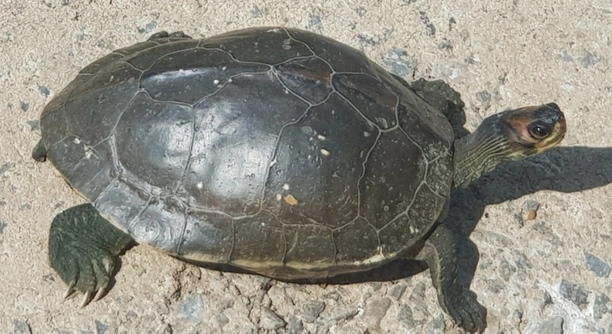
The Indian Roofed Tortoise is a fascinating pet, and providing a nutritious diet is key to its health. Feeding it the right foods will ensure it thrives and lives a long, healthy life.
To make an Indian Roofed Tortoise’s diet more nutrient-rich, focus on offering a variety of fresh, high-fiber vegetables, fruits, and occasional protein sources like insects. Providing supplements, like calcium, also helps ensure proper bone development and overall health.
With these simple dietary adjustments, your tortoise will benefit from better nutrition. Keep reading to learn more about the best food choices and how to incorporate them into your pet’s meals.
1. Providing Variety: A Key to a Healthier Diet
Offering a variety of fresh foods is crucial for the health of an Indian Roofed Tortoise. When you mix up its meals, it gets a broader range of nutrients. Leafy greens like collard greens, dandelion greens, and kale are excellent staples. You can also add squash, bell peppers, and carrots to keep things interesting. Fruits such as berries, papaya, and apples can be used in moderation as a treat. This approach ensures your tortoise gets a good balance of vitamins and minerals, which helps support its immune system and overall vitality.
To make sure you’re giving a nutrient-packed diet, be sure to rotate the foods regularly. This way, your tortoise won’t get bored, and you avoid deficiencies from repeated foods. Adding variety also encourages a natural feeding behavior, which is beneficial for its mental stimulation.
When you feed a mix of vegetables and fruits, your tortoise is more likely to get the vitamins and minerals it needs. This ensures that its diet doesn’t lack important nutrients, promoting long-term health. Variety also prevents over-reliance on any single food, avoiding any potential issues.
2. Calcium for Strong Shells and Bones
Calcium is vital for the well-being of your tortoise. It’s crucial for strong bones and shell growth. Without enough calcium, your pet can suffer from soft-shell syndrome or even develop metabolic bone disease, which can be fatal. You can provide calcium through special tortoise foods, cuttlebone, or powdered supplements added to their food.
Ensure that your tortoise receives calcium regularly, especially if it isn’t getting enough from natural food sources. While some vegetables naturally contain calcium, it might not always be enough. Offering calcium supplements a few times a week ensures your pet gets the right amount.
3. Including Protein for Growth and Energy
Protein plays an important role in the growth and energy levels of your tortoise. While they are mostly herbivores, occasional protein sources like insects (mealworms, crickets), cooked eggs, or even small amounts of cooked chicken can be beneficial. These proteins help support muscle development and overall vitality.
Be cautious not to overdo the protein, as too much can lead to kidney issues. A balanced approach is key—offering protein once or twice a week is usually enough. Always ensure the protein is properly cooked to avoid the risk of any harmful bacteria.
It’s important to note that protein-rich foods should not become a regular part of your tortoise’s diet, as excessive protein intake can lead to health problems. Your tortoise’s primary food should remain plant-based, with protein being more of an occasional supplement rather than a daily necessity. Offering a balance of both plant and protein sources will keep your tortoise healthy and well-rounded in its nutrition.
4. The Importance of Hydration
Hydration is often overlooked when it comes to tortoise care, but it’s just as crucial as their diet. Make sure your tortoise has constant access to fresh, clean water. Dehydration can lead to lethargy, constipation, and even kidney failure.
Besides offering a water bowl, you can also provide moisture through foods like cucumber and watermelon. These fruits and vegetables not only hydrate but also offer essential vitamins and minerals. Some tortoises enjoy soaking in water, which is also a great way to help them stay hydrated.
Maintaining proper hydration ensures that your tortoise’s digestive system functions properly, and it helps regulate body temperature. In warmer climates, consider adding a small humidity source to its enclosure to mimic a more natural environment. By combining these hydration techniques, your tortoise will remain healthy and active.
5. Adding Fiber to the Diet
Fiber is essential for the digestive health of your tortoise. Vegetables like collard greens, dandelion greens, and dark leafy lettuces provide high amounts of fiber. Including a variety of these vegetables ensures healthy digestion and prevents constipation.
A fiber-rich diet also supports natural feeding behaviors and helps keep the gut healthy. When your tortoise consumes enough fiber, it will be more active and less likely to suffer from digestive issues. Consistency in offering fibrous greens is a simple but effective way to maintain its overall well-being.
6. Avoiding High-Oxalate Foods
High-oxalate foods can interfere with calcium absorption, which is crucial for your tortoise’s health. Foods like spinach, beet greens, and sweet potatoes contain high levels of oxalates and should be fed sparingly.
Oxalates bind with calcium and prevent it from being absorbed properly, leading to potential health issues. While these foods are not harmful in small amounts, frequent feeding can contribute to long-term problems with calcium deficiency. It’s better to offer these foods only occasionally, keeping the rest of the diet focused on low-oxalate options.
7. Supplementing with Vitamins and Minerals
While a varied diet should provide most of the necessary vitamins and minerals, supplements can fill in the gaps. Vitamin D3 and calcium powder are often recommended to ensure your tortoise’s bones and shell stay strong.
Supplements are especially important if your tortoise doesn’t get enough natural sunlight. Calcium helps prevent shell deformities, while Vitamin D3 aids in calcium absorption. It’s best to sprinkle the supplements over their food, but make sure to follow the dosage instructions to avoid over-supplementing.
FAQ
What foods should I avoid feeding my Indian Roofed Tortoise?
Certain foods should be avoided to ensure your tortoise stays healthy. High-fat and high-protein foods like meats or dairy should be kept to a minimum. Additionally, avoid feeding your tortoise processed foods like iceberg lettuce, as it offers very little nutritional value. Vegetables like spinach, beet greens, and Swiss chard are high in oxalates, which can bind with calcium and lead to deficiencies. It’s best to offer a variety of safe greens like collard greens, kale, and dandelion leaves while steering clear of harmful foods.
How often should I feed my Indian Roofed Tortoise?
Your Indian Roofed Tortoise should be fed once a day or every other day, depending on its age and activity level. Younger tortoises tend to have faster metabolisms and may need food daily. Older tortoises, especially those that are less active, can be fed every other day. Keep in mind that tortoises also tend to graze, so offering small meals regularly is beneficial. You can adjust feeding frequency based on its appetite and overall health.
Can I feed my Indian Roofed Tortoise fruits?
Yes, fruits can be offered, but they should be given in moderation. Fruits like apples, berries, and melons provide important vitamins and hydration but can be high in sugar. Too many fruits in the diet can lead to digestive issues or obesity. Aim for a balanced diet where fruits make up only 10-20% of the tortoise’s overall food intake.
Is it okay to feed my tortoise weeds from my garden?
While weeds can be an excellent source of nutrition for your tortoise, be sure they are free from pesticides and chemicals. Dandelions, clover, and plantain are safe for tortoises, but avoid weeds that may be harmful. Always make sure the plants haven’t been sprayed with herbicides or other chemicals before offering them to your pet. It’s a good idea to only use weeds from areas you know are safe, and always wash them thoroughly.
How can I make sure my tortoise gets enough calcium?
Calcium is essential for bone and shell health. To ensure your Indian Roofed Tortoise gets enough calcium, you can offer calcium-rich foods like kale, collard greens, and dandelion greens. If your tortoise is not getting enough calcium from food, calcium supplements can be sprinkled over its meals a few times a week. Offering a cuttlebone in the enclosure is another natural source of calcium that your tortoise can nibble on.
How do I know if my tortoise is hydrated?
Hydration is crucial for your tortoise’s health. Signs of dehydration include lethargy, dry or cracked skin, and a lack of interest in food. Ensure your tortoise always has access to fresh water and consider providing water-rich foods like cucumbers and watermelon. Soaking your tortoise in shallow water once or twice a week can also help with hydration, especially if your tortoise tends to ignore its water bowl.
Can I feed my tortoise the same vegetables every day?
Feeding your tortoise the same vegetables every day isn’t ideal. Variety is important for a balanced diet, as different vegetables provide different nutrients. Offering a mix of greens, such as collard greens, mustard greens, and romaine lettuce, ensures your tortoise gets a broader spectrum of vitamins and minerals. Change up the food offerings each day, but try to keep the choices safe and nutrient-dense.
How much protein should I feed my tortoise?
Indian Roofed Tortoises do not require a lot of protein in their diet, as they are primarily herbivores. Protein should only be offered as an occasional supplement, such as a few crickets, mealworms, or cooked eggs. Too much protein can lead to kidney problems or other health issues, so aim for protein sources once or twice a week at most. The bulk of their diet should remain plant-based.
Can I feed my tortoise a salad mix?
Pre-packaged salad mixes, like those found in grocery stores, often contain lettuce varieties that lack nutrients. While they may be convenient, many of these mixes include iceberg lettuce, which is low in nutrition and water-rich. It’s better to prepare fresh salads with nutrient-dense greens like dandelion leaves, collard greens, or kale. Always avoid mixes with iceberg lettuce, as it doesn’t provide enough vitamins for your tortoise.
What should I do if my tortoise isn’t eating?
If your tortoise isn’t eating, first check its environment. Make sure the temperature and humidity levels are appropriate, as tortoises tend to lose their appetite in unfavorable conditions. Stress or changes in the environment can also cause them to stop eating. If environmental factors are not the issue, try offering different types of food, especially fresh and aromatic greens. If the lack of appetite persists, consider consulting a vet to rule out any health issues.
Final Thoughts
Taking care of an Indian Roofed Tortoise involves more than just providing food. A well-balanced diet is crucial for its health and long-term well-being. By offering a variety of fresh, nutrient-rich foods, you can ensure your tortoise gets the vitamins and minerals it needs to thrive. Adding fiber-rich vegetables, occasional protein sources, and calcium supplements will help keep your tortoise healthy and strong. Remember, a mix of different food options not only makes meals more interesting for your pet but also prevents any nutritional deficiencies from developing.
While feeding your tortoise a diverse diet is important, so is hydration. Dehydration can cause serious health issues, and providing access to fresh water and hydrating foods can help prevent this. Tortoises often enjoy soaking in water, which is an excellent way to boost their hydration levels. Maintaining the right humidity levels in their environment can also make a significant difference in their overall health. It’s important to check the enclosure regularly to ensure the temperature and humidity are within the proper range for your tortoise to feel comfortable and stay healthy.
In the end, your Indian Roofed Tortoise depends on you for its nutrition and care. By being mindful of the foods you provide and offering a variety of fresh, natural options, you can help your tortoise lead a happy and healthy life. It’s also essential to be aware of the risks of overfeeding or offering the wrong types of food, as this can lead to health complications. Taking the time to learn about your pet’s specific needs will help you give it the best care possible and enjoy many years of companionship with your tortoise.

Hello,
If you enjoy the content that we create, please consider saying a "Thank You!" by leaving a tip.
Every little bit helps us continue crafting quality advice that supports the health, happiness, and well-being of pets around the world, for pets of all shapes, sizes, and species.
We really appreciate the kindness and support that you show us!