
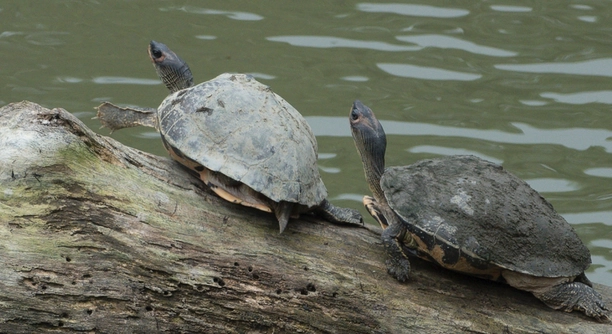
Do you ever find yourself wondering if the food you’re giving your Indian Roofed Tortoise is actually good for them? Feeding these gentle reptiles seems simple, but some common mistakes can lead to serious health problems over time.
Incorrect feeding practices, such as offering too much protein or the wrong type of greens, can cause nutritional imbalances, kidney issues, and shell deformities in Indian Roofed Tortoises. Providing a proper, species-appropriate diet is essential for their long-term well-being.
Understanding which foods to avoid and how to balance their meals will help you keep your tortoise healthy, active, and thriving for years to come.
Overfeeding Protein-Rich Foods
Indian Roofed Tortoises have specific dietary needs. Too much protein can cause more harm than good. Many owners mistakenly offer them meat, dog food, or excess pellets, thinking it helps them grow faster. However, their natural diet is primarily plant-based, consisting of leafy greens, flowers, and certain fruits. Overfeeding protein-heavy foods stresses their kidneys and may lead to shell deformities known as pyramiding. It also affects their growth rate in unhealthy ways. Always aim for a diet low in protein and high in fiber. Stick to safe greens like hibiscus leaves, dandelion greens, and occasional fruits.
Feeding too much protein may not show immediate harm, but over time it damages internal organs and disturbs their natural development.
Balanced meals keep their digestive system working smoothly. Limiting high-protein foods helps prevent long-term health issues. Instead, focus on fresh greens and calcium-rich vegetables every day.
Offering the Wrong Greens
Some greens seem healthy but can harm tortoises. Spinach, for example, contains oxalates, which block calcium absorption and lead to metabolic bone disease.
A well-chosen mix of greens is vital for their growth. Stick to safe, nutritious options like collard greens, mustard greens, and hibiscus leaves. Avoid feeding iceberg lettuce, as it offers no real nutrition. Oxalate-rich greens like spinach, beet greens, and Swiss chard should be avoided or given sparingly. Over time, excessive oxalates reduce calcium levels in the tortoise’s body, weakening their bones and shell. Providing a variety ensures they get the right nutrients without imbalances. Sprinkle calcium powder a few times a week to further support their shell health.
Feeding Too Much Fruit
Fruits might seem like a healthy treat, but too much can upset a tortoise’s digestive system. High sugar content leads to imbalances in gut bacteria, which can cause bloating, diarrhea, and long-term health issues. Fruits should only be given occasionally and in small amounts.
Many owners think fruits like mangoes, bananas, or papayas are harmless additions to a tortoise’s diet. However, their digestive systems are not built to handle large quantities of sugar. Regularly feeding sweet fruits causes fermentation in their gut, disturbing the natural bacterial balance. This can lead to loose stools, discomfort, and even infections. Instead, offer fruits no more than once a week and in moderation. Focus mainly on fibrous greens, which keep their digestion steady and healthy without the risk of upsetting their internal balance.
Limiting fruit also helps avoid obesity and related health problems. Fruits should only supplement, not dominate, their diet. Stick to leafy greens, flowers, and occasional fruits like berries or melons. Always remove any uneaten fruit after a short time to prevent spoilage and pests. Keeping fruit portions small and infrequent ensures your tortoise stays energetic and free from digestive trouble while still enjoying a treat now and then.
Not Providing Enough Calcium
Lack of calcium leads to weak shells and bone issues. Indian Roofed Tortoises need consistent calcium sources to stay strong. Without it, they are at risk of metabolic bone disease, which affects mobility and overall health.
Calcium is one of the most important nutrients for tortoises, especially during their growth stages. In the wild, they get natural calcium from soil and certain plants. In captivity, it is crucial to provide calcium supplements regularly. Dust their food with plain calcium powder two to three times per week. Make sure they have access to cuttlebone as well, which they can nibble on as needed. Avoid phosphorus-rich foods, as they interfere with calcium absorption. Without enough calcium, their shells can become soft, deformed, and prone to cracking. Consistent calcium intake, combined with proper UVB lighting, helps ensure strong shells and overall good health.
Skipping UVB Support
Tortoises need UVB light to process calcium properly. Without UVB exposure, even a calcium-rich diet won’t help. Lack of UVB leads to soft shells, weak bones, and poor health. Always provide proper lighting in their habitat every day.
Natural sunlight is best, but if that’s not possible, use UVB lamps designed for reptiles.
Feeding Processed Human Food
Processed foods like bread, rice, or chips should never be given. These foods lack the nutrients tortoises need and may contain harmful additives. Feeding them human snacks can lead to digestive issues and long-term health problems.
Not Providing Fresh Water
Tortoises need access to clean, fresh water daily. Dehydration can cause serious health issues, including kidney problems. Always check and refill their water dish.
FAQ
What should I feed my Indian Roofed Tortoise?
Indian Roofed Tortoises need a diet mainly composed of leafy greens, flowers, and occasional fruits. Safe greens include dandelion greens, collard greens, and hibiscus leaves. They can also enjoy certain flowers like marigold or hibiscus. Fruits should only be given occasionally and in small amounts due to their high sugar content. Avoid feeding them high-protein foods like meat or pellets, as these can cause health problems like kidney stress or pyramiding of the shell. Make sure to provide calcium-rich foods regularly, such as kale, and offer cuttlebone for additional calcium support.
How often should I feed my Indian Roofed Tortoise?
You should feed your tortoise every day, but the amount of food depends on its age and size. Hatchlings and juveniles need food every day to support their growth, while adults can eat every other day. Make sure the food you provide is appropriate for their age. For example, younger tortoises need more protein in their diet, but adults require more fiber and greens. It’s important to monitor their food intake and adjust it based on their activity level and health. Always provide fresh food and remove any leftovers after a few hours to avoid spoilage.
Can I feed my Indian Roofed Tortoise vegetables from the supermarket?
Yes, you can feed your tortoise vegetables from the supermarket, but be cautious. Avoid vegetables that are high in oxalates, like spinach, beet greens, or Swiss chard, as these can block calcium absorption and lead to health problems. It’s also important to avoid any vegetables that have been treated with pesticides or chemicals. Always wash the vegetables thoroughly before feeding them to your tortoise. Stick to safe options like kale, collard greens, and zucchini. If possible, choose organic produce to ensure there are no harmful chemicals present.
Can I feed my tortoise commercial tortoise food?
Commercial tortoise food can be used occasionally but should not be the main component of your tortoise’s diet. Some commercial foods are high in protein, which is not ideal for adult tortoises. Others may contain artificial additives or preservatives that are not beneficial. If you choose to use it, make sure it’s specifically designed for Indian Roofed Tortoises and does not make up the bulk of their diet. Fresh greens and vegetables should be the primary food source, while commercial food can be offered as a supplement or treat.
What fruits can I feed my Indian Roofed Tortoise?
You can feed your Indian Roofed Tortoise small amounts of fruits like strawberries, raspberries, blueberries, and melons. These fruits are safer due to their lower sugar content compared to tropical fruits like bananas and mangoes. It’s important to remember that fruits should be a rare treat and should not be a regular part of their diet. Too much fruit can lead to digestive upset and contribute to obesity. Always wash fruits thoroughly and remove any seeds or pits that could be harmful.
How can I provide calcium to my tortoise?
To provide calcium, you can offer foods rich in the mineral, such as kale, dandelion greens, or mustard greens. You can also use a calcium supplement powder, dusting their food with it two to three times a week. Cuttlebone is another excellent source of calcium, and your tortoise will naturally nibble on it as needed. Make sure they have access to UVB light, as it helps them process calcium properly. Without proper calcium intake, your tortoise may develop soft shells or bone issues.
How much water should my Indian Roofed Tortoise drink?
Your tortoise should always have access to clean, fresh water. They may not drink as often as other animals, but it’s important that they have the option. Dehydration can lead to serious health problems, including kidney failure. You can offer a shallow dish of water for them to drink and soak in. It’s also a good idea to soak your tortoise in lukewarm water for 10-15 minutes a couple of times a week to help with hydration and aid in shedding.
Should I worry about my tortoise’s shell pyramiding?
Pyramiding is a common issue in tortoises, especially in captivity, and it usually occurs due to improper diet or inadequate UVB lighting. Too much protein or not enough calcium can cause the shell to grow unevenly, leading to a pyramidal shape. Ensure you’re providing a balanced diet with proper calcium and fiber, and provide sufficient UVB light for about 12-14 hours a day. If your tortoise is already showing signs of pyramiding, it’s important to correct their diet and lighting setup to prevent further damage.
How do I know if my tortoise is overweight?
You can check your tortoise’s weight by feeling their shell and checking for any signs of fat deposits. If the tortoise’s body appears wider than normal or if they have difficulty moving, they may be overweight. It’s important to regulate their diet and avoid overfeeding, especially with high-sugar fruits and processed foods. Provide a balanced, fibrous diet and encourage them to exercise by offering a spacious enclosure. Regularly monitor their weight and consult a veterinarian if you notice any drastic changes in size.
What temperature should my Indian Roofed Tortoise’s habitat be?
The habitat temperature is crucial for your tortoise’s well-being. During the day, the basking area should be around 90-95°F (32-35°C), and the cooler end of the enclosure should be around 75-80°F (24-27°C). At night, the temperature can drop to about 70°F (21°C). It’s important to provide a gradient so your tortoise can regulate its body temperature. Make sure to use a heat lamp or ceramic heater to maintain these temperatures, and monitor them with a thermometer to ensure consistency.
Final Thoughts
Taking care of an Indian Roofed Tortoise requires a thoughtful approach to their diet and habitat. Feeding them the right foods in the proper amounts ensures they stay healthy and active. While it might seem simple to provide a variety of food, it’s essential to avoid certain common mistakes, such as overfeeding fruits or protein-rich foods. A balanced diet of leafy greens, occasional fruits, and proper calcium supplementation is key to keeping your tortoise in great health. Remember, they’re not just pets; they are living creatures with specific dietary and environmental needs.
Along with a proper diet, making sure your tortoise’s habitat is correct is just as important. They need adequate space, the right temperature range, and consistent access to clean water. Lighting is another crucial factor for their overall well-being. UVB light is essential for calcium absorption and helps prevent shell deformities. Ensuring that their living environment mimics their natural habitat as much as possible will contribute to a long, healthy life for your tortoise. If you’re ever uncertain about their diet or care routine, consulting a veterinarian familiar with reptiles can provide valuable guidance.
While caring for an Indian Roofed Tortoise may take some time and effort, the rewards are well worth it. These creatures are resilient and adaptable, but they rely on us to meet their specific needs. Providing them with proper nutrition, care, and attention will ensure they live a happy and healthy life. By avoiding common feeding mistakes and following the right practices, you can prevent many health issues and enjoy the companionship of a thriving tortoise for years to come. Always stay informed and make adjustments when necessary to give your tortoise the best possible care.

Hello,
If you enjoy the content that we create, please consider saying a "Thank You!" by leaving a tip.
Every little bit helps us continue crafting quality advice that supports the health, happiness, and well-being of pets around the world, for pets of all shapes, sizes, and species.
We really appreciate the kindness and support that you show us!