
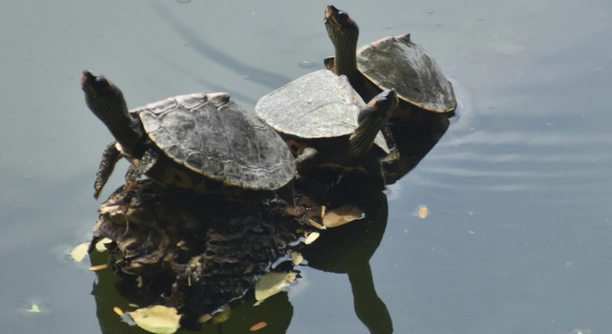
Indian Roofed Tortoises are popular pets due to their gentle nature and unique behavior. If you’ve noticed your tortoise running in circles, you may be wondering what’s going on with this unusual behavior.
The circular movement may be due to stress, boredom, or a lack of proper environment. In some cases, it could be a sign of a health issue, such as neurological problems or inadequate space.
Understanding the underlying causes of this behavior can help you provide a better environment for your tortoise, ensuring their well-being. By addressing these factors, you can improve their quality of life.
Why Do Indian Roofed Tortoises Run in Circles?
If you’ve noticed your Indian Roofed Tortoise running in circles, it could be a sign of several different factors at play. Tortoises are known for their calm, slow nature, so when they exhibit repetitive behavior like running in circles, it’s important to understand what might be causing it. This action often points to stress or discomfort, both of which can affect a tortoise’s mental and physical well-being. While it can seem harmless, it’s essential to figure out what’s behind the behavior to avoid further complications.
Running in circles may occur when a tortoise feels confined or unable to explore. It could also happen if their living environment is not stimulating enough. A lack of space or proper habitat can lead them to act out, causing them to focus on repetitive motions instead of engaging with their surroundings in a more natural way. In some cases, it may even be linked to the temperature, humidity, or lighting conditions within the enclosure.
One reason for such repetitive behavior could be the lack of stimulation. Indian Roofed Tortoises are naturally curious animals, and they need an environment that encourages exploration. When this is absent, they may develop behaviors like pacing or circling. This could also be related to anxiety caused by improper handling or being placed in an environment that doesn’t resemble their natural habitat. It’s important to ensure your tortoise has enough room to move around freely, with different areas for hiding, eating, and exploring. This can help to reduce stress and keep them engaged.
The Role of Stress and Anxiety
Stress and anxiety are common reasons why your tortoise may be running in circles. These tortoises are sensitive to changes in their environment, so any disruptions can cause them to react in strange ways. Loud noises, unfamiliar scents, or even changes in their daily routine can all contribute to stress.
To address this, create a stable and quiet space for your tortoise. Limit loud sounds and avoid constantly moving their habitat around. Once the environment becomes more predictable and calm, your tortoise should begin to feel more comfortable and stop the repetitive behavior.
While stress is a major factor, it’s important to remember that tortoises may also become anxious if they feel threatened or scared. If you’ve recently introduced a new pet or another animal into the household, this could be causing them distress. Tortoises are solitary creatures by nature, and the presence of other animals could trigger anxiety. Be patient and allow your tortoise time to adjust to any new changes. Offering a cozy hiding spot can help them feel more secure during times of stress, reducing the need for repetitive behavior like running in circles.
Environmental Factors to Consider
One of the first things to check when dealing with a tortoise running in circles is the environment in which it lives. Temperature, humidity, and proper lighting all play crucial roles in your tortoise’s overall health and behavior. If these elements are off, it can lead to discomfort, stress, and even health problems. For instance, a tortoise that is too hot or cold might feel trapped or uncomfortable, causing it to move around erratically.
It’s essential to monitor the temperature of your tortoise’s enclosure, ensuring that it mirrors the conditions they would encounter in their natural habitat. A basking spot should be warm enough for them to regulate their body temperature, while cooler areas allow them to escape heat if necessary. Lighting is just as important, as proper UVB lighting helps tortoises metabolize calcium and promotes healthy growth. If they lack exposure to the right balance of light and warmth, it can lead to health issues and stress.
Additionally, humidity plays a role in maintaining your tortoise’s well-being. Indian Roofed Tortoises need a certain level of moisture in the air to stay hydrated and healthy. Too much dryness in their habitat can lead to dehydration or skin problems, making them more prone to stress. It’s important to regularly check these environmental factors and adjust them as needed to provide a comfortable space for your tortoise. By ensuring the right conditions, you can help alleviate some of the repetitive behavior that might arise from discomfort or environmental stress.
Potential Health Issues
Health problems could also be a factor contributing to your tortoise’s behavior. Running in circles may indicate that something is wrong with their physical health. Neurological issues, for example, could make a tortoise move in strange patterns or behave abnormally. If your tortoise is showing signs of physical distress like limping or abnormal head movements, it’s a good idea to seek veterinary advice as soon as possible.
Tortoises are susceptible to a variety of illnesses that could affect their behavior. Parasites, for instance, can make a tortoise feel sluggish or unwell, which might lead to disorientation and erratic movement. If you suspect a health problem, it’s important to get a diagnosis early so that treatment can begin before the issue worsens. A visit to a reptile-savvy veterinarian is a good step in identifying and addressing any underlying health conditions.
Even if your tortoise seems healthy overall, it’s still important to regularly monitor their behavior and habits. Changes in movement, appetite, or overall demeanor should not be ignored, as they could point to something more serious. Keep a close eye on their behavior, and don’t hesitate to reach out for professional help if you notice anything out of the ordinary. By staying proactive, you can ensure your tortoise lives a long, healthy life.
Addressing Boredom and Lack of Stimulation
Boredom can cause repetitive behaviors like running in circles. Tortoises, especially ones in captivity, need enough to keep them engaged and active. Without stimulation, they may develop habits that seem odd but are often a sign of frustration.
Creating a stimulating environment is essential for your tortoise’s mental well-being. Provide different textures to explore, such as rocks, logs, and plants. Giving them something to climb or hide behind encourages them to move around. Offering varied foods, like leafy greens and vegetables, also stimulates their senses. Rotate toys or objects in their habitat to maintain interest. These simple changes can make a huge difference in curbing repetitive behavior.
Additionally, giving your tortoise time outside of its enclosure (in a safe, enclosed area) can provide new sights, smells, and experiences. Allowing them to move around freely in a controlled outdoor space helps combat boredom, making them feel more fulfilled. Even small daily changes can help keep your tortoise engaged, preventing the behavior from becoming a habit.
The Importance of Proper Space
Your tortoise’s enclosure needs to provide ample space for it to move freely. A cramped space can lead to stress, which may manifest as running in circles. Having enough room to explore, bask, and hide is crucial to your tortoise’s happiness.
When setting up the enclosure, make sure it’s large enough for your tortoise to feel comfortable. Avoid overcrowding the space with too many items. A simple layout with areas designated for specific activities, such as basking or eating, can help your tortoise use its space effectively. If you have a larger tortoise, it’s especially important to provide a bigger area for them to roam. A small enclosure limits their natural behaviors, causing frustration that leads to odd actions like circling.
A proper-sized enclosure gives your tortoise room to exercise, which is important for their overall health. Just like any other animal, tortoises need the opportunity to move and stretch their legs. Providing the right space ensures they stay active, reducing the risk of developing repetitive behaviors linked to confinement.
Environmental Enrichment
Enriching your tortoise’s environment can help prevent them from running in circles. Providing diverse items like rocks, branches, or hideaways can give your tortoise something to explore and interact with. This stimulates them mentally, reducing stress and repetitive behaviors.
Changing up the layout of the habitat from time to time can also keep things interesting. Moving objects or adding new elements encourages curiosity. Tortoises are naturally inquisitive, and a more dynamic space gives them the opportunity to explore their surroundings. Simple changes can make a big difference in reducing boredom and repetitive movements like circling.
Diet and Nutrition
A proper diet can have a significant impact on your tortoise’s behavior. Offering a variety of fresh, nutritious foods can help keep your tortoise healthy and active. Poor diet choices can lead to lethargy or frustration, which may cause them to act out, including running in circles.
Tortoises require a balanced diet that includes leafy greens, vegetables, and some fruits. A varied diet provides not only the essential nutrients but also the opportunity for your tortoise to engage with different textures and flavors. This stimulation can reduce boredom and help prevent stress-induced behaviors. Make sure to avoid overfeeding, as an overweight tortoise may become sluggish, which could also lead to odd behaviors.
Temperature and Lighting
Improper temperature and lighting can make your tortoise feel uncomfortable and stressed, causing them to run in circles. Ensure they have a proper basking area with enough warmth and access to cooler zones for balance. Temperature fluctuations should be minimized.
FAQ
Why does my Indian Roofed Tortoise keep running in circles?
The most common reason for this behavior is stress or boredom. Tortoises are creatures of habit, and when they don’t have enough space, stimulation, or environmental enrichment, they may start pacing or running in circles. This behavior can also be a sign of anxiety or frustration. If you notice this behavior often, it’s important to assess your tortoise’s living conditions. Make sure they have a suitable habitat with enough room to roam, proper lighting, and a variety of objects to interact with. Sometimes, making changes to their environment or providing them with more stimulation can reduce this behavior.
Can my tortoise running in circles indicate a health problem?
Yes, running in circles can sometimes signal a health issue. Neurological problems, for example, can cause erratic behavior like circling. If your tortoise shows other signs of illness, such as difficulty moving, loss of appetite, or abnormal posture, it’s crucial to consult a veterinarian. A reptile-savvy vet can diagnose any underlying health issues and provide proper treatment. While some behaviors may be linked to environmental stress or boredom, if the circling is persistent or accompanied by other unusual signs, a health check is necessary.
How can I reduce my tortoise’s stress?
Reducing stress involves providing a stable and comfortable environment. Ensure your tortoise has enough space to move around freely. A cramped enclosure can lead to frustration, causing stress-induced behaviors. You should also focus on their lighting, temperature, and humidity. Tortoises need proper UVB lighting to stay healthy and regulate their calcium intake. Temperature gradients should be maintained, with a warm basking area and a cooler area for them to retreat to. Also, try to avoid sudden changes in their habitat, like moving their enclosure or introducing new pets. Finally, minimizing loud noises and other potential stressors will help your tortoise feel more secure.
Can I use a smaller enclosure temporarily for my tortoise?
It’s okay to use a smaller enclosure temporarily, but it’s not ideal for long-term housing. A small space limits your tortoise’s ability to roam and explore, which can cause stress and lead to repetitive behaviors like running in circles. If you must use a smaller enclosure temporarily, make sure it’s still safe and comfortable, providing them with essentials like a heat source, hiding places, and access to food and water. However, once the temporary situation is over, be sure to move your tortoise back to a more spacious habitat to prevent any ongoing stress or health issues.
How much space does my Indian Roofed Tortoise need?
Indian Roofed Tortoises need a considerable amount of space to thrive. Ideally, they should have at least a 4×6 foot enclosure, depending on their size. If you have a larger tortoise, this space should be increased. Tortoises are active and require space to move around, bask, and explore. A cramped space can lead to stress, which might manifest as repetitive behaviors, such as running in circles. Additionally, a larger space allows you to set up different zones for basking, hiding, and feeding, encouraging natural behaviors and reducing the likelihood of boredom-induced actions.
What can I do to keep my tortoise mentally stimulated?
Providing a variety of items in their habitat can help keep your tortoise mentally engaged. You can introduce objects like rocks, logs, and plants for climbing and exploring. Rotate these objects occasionally to provide new experiences. Tortoises are also food-driven, so offering a variety of fresh vegetables, fruits, and leafy greens will keep them interested in their meals. Try placing food in different locations to encourage exploration. Additionally, supervised time outside of their enclosure can provide them with new sights and smells, which can keep their minds active and reduce repetitive behaviors like circling.
Should I be concerned if my tortoise circles when I approach?
If your tortoise runs in circles when you approach, it may be a sign of anxiety or excitement. Some tortoises may associate your presence with food or attention, causing them to move around energetically. While occasional circling when you come near isn’t necessarily a problem, consistent circling could indicate that your tortoise is stressed or anxious about handling. If this behavior is frequent, consider adjusting how you interact with your tortoise. Keep their space calm and allow them to move at their own pace. Creating a predictable routine and avoiding sudden movements can help ease anxiety.
Can the diet affect my tortoise’s behavior?
Yes, diet plays a role in your tortoise’s behavior. A poor or unbalanced diet can lead to health problems like lethargy or irritability, which may contribute to stress-induced behaviors. For instance, feeding your tortoise too much high-protein food or not enough fiber can cause digestive issues, leading to discomfort. Ensure you provide a balanced diet of leafy greens, vegetables, and fruits that are safe for tortoises. Additionally, avoid overfeeding them, as this can lead to obesity, which might limit their movement and cause frustration. A healthy diet can help keep your tortoise feeling good, both physically and mentally.
Is it normal for my tortoise to pace back and forth?
Pacing back and forth is often a sign of frustration, boredom, or stress. Tortoises are naturally curious, and if they don’t have enough space or stimulation, they may begin pacing as a way to cope with their environment. Ensure that your tortoise has a proper-sized enclosure, with plenty of room to move around, hide, and explore. Providing environmental enrichment, like climbing objects and changes in their habitat, can help reduce this behavior. If pacing is persistent and coupled with other signs of stress, it may be a good idea to check for environmental factors or health problems that could be contributing to the behavior.
How do I know if my tortoise’s environment is causing the circling?
If your tortoise is running in circles consistently, it’s important to assess the environment closely. Check the temperature, lighting, and humidity levels to ensure they match the tortoise’s needs. Too hot or cold of an environment can cause discomfort, leading to erratic behaviors like circling. Also, make sure their enclosure has enough space for them to move freely. If their habitat is too small or lacks stimulation, it may be contributing to the behavior. By making adjustments to these environmental factors, you can create a more comfortable and engaging space that helps prevent this repetitive movement.
Final Thoughts
When your Indian Roofed Tortoise starts running in circles, it can be concerning, but it’s often a sign of something that can be easily addressed. Most commonly, this behavior points to stress, boredom, or an inadequate living environment. Tortoises are naturally curious and need space to roam, stimulation to explore, and a comfortable environment to thrive. Without these, they can become frustrated, leading to repetitive movements like circling. By ensuring that your tortoise has the right habitat, proper temperature, and enough things to interact with, you can reduce these behaviors and improve their overall well-being.
It’s important to remember that while circling can be a sign of environmental stress, it can also point to health problems. If changes in their environment or routine don’t seem to fix the issue, and the behavior continues or worsens, seeking advice from a veterinarian is essential. A trained vet can help determine if there are underlying health concerns, such as neurological problems, that need attention. They can also guide you in managing any other health-related issues that could affect your tortoise’s behavior, ensuring they stay healthy and happy for years to come.
Ultimately, understanding the reasons behind your tortoise’s behavior and addressing them promptly will improve their quality of life. Whether it’s offering a larger enclosure, adjusting the temperature, providing enrichment, or monitoring their diet, every step you take toward improving their environment will make a difference. The more you learn about your tortoise’s needs, the better you’ll be able to ensure that they feel safe, content, and healthy in their home. By keeping an eye on their behavior and making the right adjustments, you’ll create a space where your tortoise can thrive, reducing the chances of circling and other stress-induced habits.

Hello,
If you enjoy the content that we create, please consider saying a "Thank You!" by leaving a tip.
Every little bit helps us continue crafting quality advice that supports the health, happiness, and well-being of pets around the world, for pets of all shapes, sizes, and species.
We really appreciate the kindness and support that you show us!