
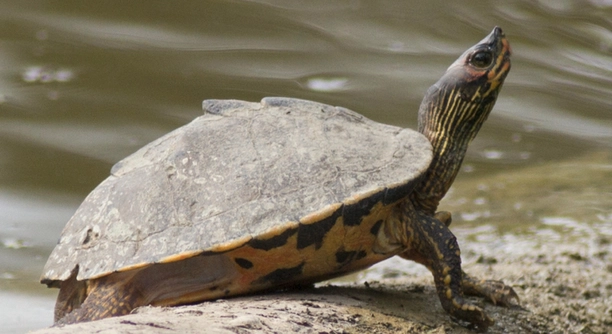
Do you ever find yourself wondering why your Indian Roofed Tortoise suddenly refuses to eat? A healthy appetite is crucial for its well-being, and any changes in eating habits can be concerning for pet owners.
The most common reasons an Indian Roofed Tortoise loses its appetite include improper temperature, stress, dehydration, illness, dietary imbalances, poor enclosure conditions, and seasonal changes. Identifying and addressing these factors can help restore its normal eating habits and overall health.
From environmental conditions to health concerns, several factors can influence your tortoise’s appetite. Understanding these causes will help you ensure its well-being and create a comfortable habitat for a happy and thriving pet.
Improper Temperature
An Indian Roofed Tortoise needs a stable environment to stay healthy. If the temperature is too low, its metabolism slows down, making it less interested in food. A basking spot of around 85-90°F and an ambient temperature of 75-80°F is ideal. Cold temperatures can cause sluggish behavior, digestion issues, and even illness. On the other hand, excessive heat may lead to dehydration and stress, further affecting appetite. It is important to monitor the enclosure’s temperature with a reliable thermometer and adjust the heating setup accordingly. Providing a proper gradient allows the tortoise to regulate its body temperature efficiently.
A sudden drop or rise in temperature can shock the tortoise and make it feel uncomfortable. Keeping the enclosure warm and consistent helps maintain normal eating patterns.
Ensure that heat sources like lamps or under-tank heaters are positioned correctly. Regularly check for fluctuations, especially during seasonal changes, to prevent appetite loss.
Stress and Anxiety
Tortoises are sensitive to their surroundings, and any sudden changes can stress them out. A new enclosure, excessive handling, loud noises, or the presence of other pets can make them feel uneasy. When stressed, they may hide more often, refuse to eat, or become less active.
To reduce stress, provide a stable environment with plenty of hiding spots and minimal disturbances. If you recently introduced new elements to their enclosure, allow them time to adjust. Avoid handling them too frequently, especially if they show signs of discomfort. Keeping their habitat in a quiet, low-traffic area of your home can also help.
Routine is important for tortoises. Feeding them at the same time every day and keeping their environment consistent will help them feel secure. If stress is the cause of appetite loss, reducing disturbances and maintaining stability can encourage them to eat normally again.
Dehydration
A tortoise that doesn’t get enough water may lose interest in food. Dehydration can make digestion difficult and cause sluggishness. Without proper hydration, they may become weak, affecting their ability to eat and process nutrients properly.
Providing a shallow dish of clean water at all times is essential. Some tortoises prefer to soak rather than drink directly, so occasional warm water soaks can help with hydration. Leafy greens with high water content, like lettuce or cucumbers, can also keep them hydrated. Signs of dehydration include sunken eyes, dry skin, and lethargy. If left unchecked, it can lead to more severe health problems.
A tortoise’s hydration needs depend on humidity levels in its enclosure. If the air is too dry, misting the habitat lightly can help. Maintaining proper humidity levels, offering fresh water, and including moisture-rich foods in their diet will prevent dehydration-related appetite loss.
Illness or Infection
A sick tortoise often stops eating. Respiratory infections, parasites, or digestive issues can make them feel unwell. Wheezing, nasal discharge, or unusual droppings may indicate a problem. If appetite loss lasts more than a few days, a vet visit is necessary to rule out serious health conditions.
Some illnesses develop gradually, making it difficult to notice symptoms right away. Parasites, for example, can cause discomfort and reduced appetite over time. Shell infections or mouth rot can make chewing painful. If a tortoise shows signs of illness, isolating it from others and keeping its enclosure extra clean can help prevent worsening conditions. Identifying symptoms early makes treatment easier and more effective.
Regular health checkups and maintaining a clean, stress-free habitat are key to preventing illness. If a tortoise refuses food for an extended period, getting professional advice ensures proper care. Detecting problems early can help them recover faster and regain their appetite.
Dietary Imbalances
A tortoise needs a varied diet to stay healthy. Feeding too much fruit or protein can upset its digestion, leading to appetite loss. A balanced diet should include leafy greens, vegetables, and calcium-rich foods to support shell and bone health. Poor nutrition can cause long-term health problems.
Overfeeding or offering the same food daily can make a tortoise uninterested in eating. Rotating different vegetables and occasionally adding supplements can keep meals nutritious and appealing. Avoid processed foods or items high in oxalates, as they can interfere with calcium absorption and contribute to health issues.
Poor Enclosure Conditions
A dirty or overcrowded enclosure can make a tortoise feel uncomfortable and stressed. Unpleasant odors, old food, and unclean water discourage eating. Regular cleaning prevents bacteria buildup and keeps the habitat safe. A well-maintained space encourages healthy behavior and reduces the risk of infections.
Proper lighting and humidity are just as important as cleanliness. Without enough UVB light, a tortoise cannot absorb calcium properly, leading to weakness and appetite loss. Checking the enclosure setup regularly ensures a safe and comfortable environment, helping your tortoise stay healthy and active.
FAQ
What should I do if my Indian Roofed Tortoise stops eating?
If your tortoise refuses food, the first step is to check its environment. Ensure the temperature is appropriate and that the habitat is clean. Look for signs of dehydration, stress, or illness. If there are no immediate changes, try offering different foods or consider taking it to a vet for a check-up.
How can I tell if my tortoise is stressed?
Signs of stress in a tortoise include hiding excessively, walking in circles, and a lack of appetite. Stress can also cause them to become more aggressive or withdrawn. Loud noises, unfamiliar surroundings, or other pets may be stressing your tortoise. Providing a calm environment can help.
Can a change in diet cause my tortoise to stop eating?
Yes, sudden changes in diet can cause a tortoise to refuse food. If you switch its food too quickly, it may not recognize the new offerings or find them unappealing. Gradually introducing new foods while maintaining its regular diet can help avoid digestive upset and keep them eating regularly.
What are some common health problems that cause a tortoise to stop eating?
Respiratory infections, parasites, mouth rot, or shell infections can cause a loss of appetite in tortoises. If the tortoise seems lethargic, has discharge from the nose, or shows unusual behavior, it might be sick. A vet visit is necessary to diagnose and treat these issues.
How can I keep my tortoise hydrated?
Dehydration can be a significant reason for appetite loss. To ensure your tortoise stays hydrated, provide fresh water at all times. Soaking the tortoise in warm water for 10-15 minutes a few times a week can help. Including water-rich vegetables like cucumbers and lettuces in their diet also aids hydration.
Why is my tortoise not eating after hibernation?
It’s common for tortoises to take time to eat after emerging from hibernation. They may need to warm up and readjust to their environment. During this time, it’s essential to keep the temperature stable and allow the tortoise to settle back into its routine. If it doesn’t eat after a week or so, consult a vet.
Is it normal for a tortoise to stop eating during the winter?
Yes, many tortoises naturally reduce their food intake during colder months. In some cases, they may go into a form of hibernation, which can lead to a loss of appetite. However, it’s essential to ensure they remain hydrated, and their living environment is kept at the correct temperature.
How often should I feed my tortoise?
Tortoises typically should be fed every day or every other day, depending on their age and species. Hatchlings and young tortoises may require daily feedings, while adults can usually eat every other day. Always adjust portions based on their size, activity level, and overall health.
Can I feed my tortoise fruit regularly?
While fruit is a tasty treat for your tortoise, it should be given in moderation. Too much fruit can upset the digestive system and cause obesity. Focus on leafy greens, vegetables, and grasses as the main components of their diet. Fruits like berries or melons should only be offered occasionally.
Should I supplement my tortoise’s diet?
In some cases, a calcium or vitamin D3 supplement may be necessary, especially if the tortoise isn’t exposed to adequate UVB light. Calcium helps in bone and shell development. Always check with a vet before adding supplements to ensure they’re appropriate for your tortoise’s specific needs.
What is the best temperature range for my tortoise’s habitat?
The ideal temperature range for an Indian Roofed Tortoise is between 75-85°F, with a basking spot reaching around 90°F. This range helps them maintain a healthy metabolism. Nighttime temperatures can drop to about 70°F, but avoid drastic changes in temperature. Use reliable thermometers to monitor the environment consistently.
How can I tell if my tortoise is eating enough?
You can assess if your tortoise is eating enough by observing its growth, weight, and behavior. If it’s active, its shell appears healthy, and it’s passing normal waste, it’s likely eating adequately. If you notice weight loss, lethargy, or continued lack of appetite, consult a vet.
Can poor lighting cause my tortoise to stop eating?
Yes, improper lighting can lead to vitamin D3 deficiency, affecting calcium absorption and making your tortoise feel weak and uninterested in food. Ensure your tortoise has access to UVB light, which is essential for its health. Providing proper lighting will support its appetite and overall well-being.
How long can a tortoise go without eating?
Tortoises can go several days or even weeks without eating, especially if they are sick or during hibernation. However, if your tortoise refuses food for more than a few days and shows signs of distress, it’s important to seek veterinary advice.
Can my tortoise lose its appetite due to humidity levels?
Yes, if the humidity in your tortoise’s habitat is too low, it may become dehydrated, leading to a loss of appetite. Keeping the humidity at an appropriate level is especially important for species that need more moisture, like the Indian Roofed Tortoise. Mist the enclosure or use a humidity gauge to monitor.
Why is my tortoise acting lethargic and not eating?
Lethargy, along with a lack of appetite, can be signs of several issues, including illness, dehydration, or stress. Check the temperature and humidity levels in the enclosure and ensure the tortoise is not being overhandled. If these issues persist, take your tortoise to a vet for further evaluation.
Final Thoughts
If your Indian Roofed Tortoise is not eating, it’s important to take a close look at its environment and health. A variety of factors can cause a decrease in appetite, including temperature fluctuations, stress, dehydration, and dietary imbalances. Tortoises are sensitive to their surroundings, so creating a stable and comfortable habitat is crucial. Regularly checking the temperature and humidity, as well as providing fresh food and water, can help maintain a healthy appetite. If the environment is not right, your tortoise might simply lose interest in eating, which can lead to further health problems.
Health issues like infections, parasites, or shell injuries can also result in appetite loss. It’s essential to keep an eye out for signs of illness, such as lethargy, unusual behavior, or discharge from the nose. If you notice any of these signs, it’s best to consult a vet as soon as possible. Early detection of health issues allows for better treatment and a faster recovery. Addressing these concerns quickly will ensure your tortoise stays healthy and begins eating again soon.
Above all, being patient and observant is key. Tortoises can be picky eaters, and sometimes their appetite will fluctuate with the seasons. They may eat less during colder months or after hibernation, which is normal. However, if appetite loss persists for more than a few days, it’s important to explore the possible causes. Regular check-ups, proper care, and attention to their diet will keep your tortoise healthy and happy. By understanding the factors that affect their appetite, you’ll be in a better position to address any issues that arise.

Hello,
If you enjoy the content that we create, please consider saying a "Thank You!" by leaving a tip.
Every little bit helps us continue crafting quality advice that supports the health, happiness, and well-being of pets around the world, for pets of all shapes, sizes, and species.
We really appreciate the kindness and support that you show us!