
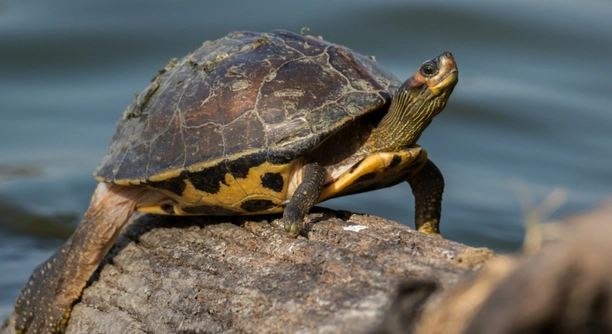
Keeping an Indian Roofed Tortoise as a pet requires understanding its needs and behavior. It’s important to know the signs that indicate whether your tortoise is happy and healthy. These signs help ensure your pet thrives in its environment.
A happy and healthy Indian Roofed Tortoise shows active behavior, maintains a proper diet, and exhibits good shell condition. A well-maintained habitat with appropriate temperature and humidity also plays a crucial role in their overall well-being.
By observing your tortoise’s actions and environment, you can ensure they are living a fulfilling and healthy life. Understanding these signs will help you take better care of your pet and meet its needs.
Healthy and Clear Eyes
A happy and healthy Indian Roofed Tortoise will have bright, clear eyes. If their eyes appear cloudy or watery, it may indicate an underlying health issue, such as an infection or dehydration. Proper hydration, balanced nutrition, and a clean environment are vital for keeping your tortoise’s eyes in good shape.
Eyes can also be a reflection of your tortoise’s stress levels. If the eyes look sunken or the tortoise is rubbing them frequently, it’s time to evaluate their living conditions and ensure they’re getting the right care.
Make sure the environment is free of unnecessary stressors, such as extreme temperatures or loud noises. Keeping their enclosure clean will also prevent infections. Providing a consistent light source with natural UVB rays will support their eye health, as well as their overall well-being. If you notice anything unusual with their eyes, it’s essential to take action immediately.
Healthy Shell and Skin
The condition of your tortoise’s shell is a good sign of their health. A healthy shell is smooth, hard, and free of any cracks or soft spots. Keep the shell clean and avoid overcrowding or rough handling, which can cause damage. The skin should be free from lesions, wounds, or signs of infection. A proper diet rich in calcium and vitamins is essential to maintaining strong, healthy shells.
Active and Alert Behavior
Your tortoise should be active, moving around its enclosure and exploring. If it is spending most of its time hiding or staying completely still, it could be a sign of stress or illness. A healthy tortoise is curious and responsive to its environment.
Make sure your tortoise has plenty of space to move around. This helps stimulate their natural behavior, preventing lethargy or boredom. An active tortoise will also interact with food and water, showing interest in eating and drinking regularly. If your pet shows little movement or is too sluggish, it may need adjustments to its environment or diet.
The key to a lively tortoise is creating an enriched habitat. Add hiding spots, rocks, and plants to mimic their natural surroundings. The right habitat encourages exploration and ensures your tortoise stays engaged and healthy. Keep the temperature and humidity levels in check, as they directly affect energy levels.
Proper Eating Habits
A healthy Indian Roofed Tortoise will eat regularly and have a balanced diet. If your tortoise is not eating, it can be a sign that something is wrong, such as poor health or unsuitable conditions.
Provide a variety of leafy greens, fruits, and vegetables. A diet high in calcium and low in protein is essential. Overfeeding with high-protein foods can lead to kidney problems. Also, ensure that food is fresh and clean, as contaminated food can lead to digestive issues. Keep their feeding schedule consistent, as this will help your tortoise establish a healthy routine.
Healthy Growth and Shell Size
Your tortoise should be growing steadily and maintaining a proper weight. If your tortoise’s growth seems stunted or too rapid, it could indicate a problem with its diet, environment, or overall health. Healthy growth is a sign of a well-maintained habitat.
Make sure your tortoise has access to proper UVB light, which is crucial for calcium absorption and healthy shell growth. The right temperature gradient in the enclosure also helps your tortoise digest food properly, contributing to overall growth. Regularly check its weight and size to ensure it’s progressing at a healthy rate.
Clean Habitat
A clean environment is crucial for your tortoise’s health. Regular cleaning of the enclosure prevents the build-up of harmful bacteria, mold, or waste, which can lead to health problems.
Ensure you clean food and water dishes daily and spot clean the enclosure regularly. A deep clean once a month helps maintain a healthy space for your pet. Keeping their living area clean also promotes mental well-being and comfort.
FAQ
How can I tell if my Indian Roofed Tortoise is sick?
Look for signs like lethargy, loss of appetite, swollen eyes, or abnormal behavior. A healthy tortoise is usually active and interested in food. If your tortoise becomes sluggish or refuses to eat for an extended period, it may be unwell. Changes in shell texture, such as softening or cracks, can also indicate health issues. Monitor its breathing and look for discharge from the nose or mouth, which may point to respiratory infections. Regularly check for signs of dehydration, which can include sunken eyes or dry skin.
What temperature should my Indian Roofed Tortoise’s habitat be?
The ideal temperature for an Indian Roofed Tortoise’s enclosure is between 80°F and 90°F during the day, with a basking area that reaches around 95°F. At night, the temperature can drop to around 70°F. Ensure there is a temperature gradient in the enclosure so your tortoise can regulate its body heat. A basking light will provide the necessary heat, while a UVB light is essential for calcium absorption. Keeping the temperature consistent is key to maintaining your tortoise’s health and promoting proper digestion.
How much should I feed my Indian Roofed Tortoise?
Feed your tortoise a balanced diet consisting mainly of leafy greens and vegetables, such as dandelion greens, collard greens, and kale. Fruits should be given in moderation. Generally, you should offer food once a day for adults, with a smaller portion for hatchlings. Ensure the food is fresh and clean, and remove any uneaten food promptly. A healthy tortoise may eat up to 10% of its body weight daily, but this can vary based on its age, size, and activity level. A proper diet helps maintain their energy, shell growth, and overall well-being.
What should I do if my tortoise’s shell is soft or damaged?
If your tortoise’s shell is soft, it could indicate a calcium deficiency or inadequate UVB lighting. Ensure the tortoise has access to UVB light for at least 12 hours a day. Supplement its diet with calcium-rich foods like dark leafy greens, and consider dusting food with a calcium supplement. If the shell is damaged, gently clean the wound and consult a vet for proper care. In some cases, injuries might lead to infections, so it’s important to seek professional help if the damage is severe.
Is it normal for my tortoise to hide?
Yes, it is normal for Indian Roofed Tortoises to hide occasionally, especially if they feel stressed or need to rest. These tortoises are generally solitary creatures and may seek out a dark, quiet space in their enclosure to feel safe. However, if your tortoise hides excessively or for long periods without showing interest in eating or moving, it might be a sign of illness or environmental stress. Check the temperature, humidity, and overall condition of the enclosure to make sure it’s not contributing to the tortoise’s behavior.
Can I keep my Indian Roofed Tortoise outdoors?
Yes, but only if the climate is suitable. Indian Roofed Tortoises thrive in warm environments, so they can live outdoors in regions with temperatures between 70°F and 90°F. Ensure the outdoor enclosure is secure to prevent escapes and protect your tortoise from predators. The area should have access to both shade and sunlight, along with a hiding spot for security. During the colder months, it’s best to bring them inside to maintain a stable temperature. Always provide fresh food and clean water, even outdoors.
How can I prevent my tortoise from becoming dehydrated?
Dehydration is a serious concern for tortoises. Ensure your tortoise has access to fresh water at all times. In addition to a water dish, you can occasionally soak your tortoise in shallow, lukewarm water for 10 to 15 minutes to help with hydration. The tortoise should be able to drink from the water during the soak. Keep an eye out for signs of dehydration, such as sunken eyes or dry, flaky skin. Dehydration can lead to serious health problems, so it’s important to address it quickly.
What is the lifespan of an Indian Roofed Tortoise?
Indian Roofed Tortoises can live for 30 to 50 years in captivity with proper care. Some individuals have even been known to live longer. To ensure a long and healthy life, provide them with a balanced diet, a safe and clean habitat, regular vet check-ups, and plenty of mental stimulation. Keep in mind that tortoises grow slowly, so they will need attention and care throughout their lifespan. Investing time and effort into their well-being will reward you with a long, happy companionship.
What is the best substrate for my tortoise’s enclosure?
The ideal substrate for an Indian Roofed Tortoise is one that retains moisture but also allows for good ventilation. Popular choices include coconut coir, cypress mulch, and orchid bark. These materials are safe for your tortoise and help maintain appropriate humidity levels. Avoid using sand, as it can lead to impaction if ingested, or newspaper, which doesn’t retain moisture properly. Ensure that the substrate is deep enough for burrowing, as this is a natural behavior. It should also be changed regularly to prevent bacteria buildup.
How can I tell if my tortoise is stressed?
Stress in Indian Roofed Tortoises can be caused by improper environmental conditions or handling. Signs of stress include lack of appetite, excessive hiding, pacing or walking in circles, and abnormal breathing. If your tortoise seems stressed, check the temperature, humidity, and lighting in its enclosure. Ensure that the enclosure is spacious enough and that the tortoise has adequate access to food and water. If stress continues despite improvements in the environment, consult a vet for further advice on stress management and health.
Final Thoughts
Taking care of an Indian Roofed Tortoise can be a rewarding experience. These tortoises are generally low-maintenance pets, but they do require a bit of attention to ensure they stay healthy and happy. By observing their behavior, diet, and environment closely, you can easily spot when something is wrong and make the necessary adjustments. It’s important to provide them with a proper habitat that mimics their natural surroundings, which includes the right temperature, humidity, and access to UVB light. Regular cleaning of their enclosure and offering a balanced diet will also help keep them in good shape.
Health is not just about feeding them the right food or giving them the right space, but also understanding their behavior and needs. Signs like active movement, clear eyes, and a solid, healthy shell are all indicators of a happy tortoise. If you notice any changes in their eating habits, activity levels, or overall behavior, it’s important to assess their environment and diet. Even small changes in temperature or lighting can have a significant effect on their health. In these cases, consulting a vet with experience in reptiles can be helpful for ensuring your tortoise is on the right track.
A healthy Indian Roofed Tortoise can live for several decades, and they can be great companions for those willing to put in the time and effort. Their longevity and the bond you form with them make it worth the attention they need. While they may not be the most interactive pets, they do thrive in a well-maintained environment and can live happy, healthy lives. By providing proper care, monitoring their health, and being proactive about their needs, you can ensure that your tortoise will enjoy a long, fulfilling life.

Hello,
If you enjoy the content that we create, please consider saying a "Thank You!" by leaving a tip.
Every little bit helps us continue crafting quality advice that supports the health, happiness, and well-being of pets around the world, for pets of all shapes, sizes, and species.
We really appreciate the kindness and support that you show us!