
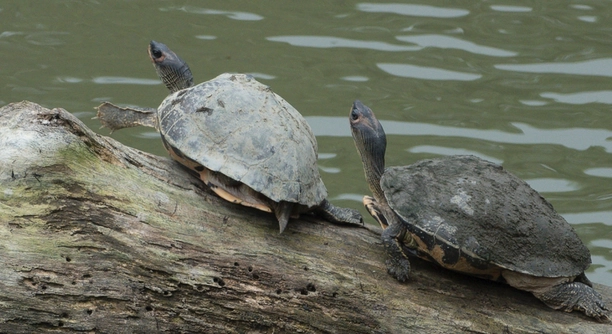
An Indian Roofed Tortoise is a beloved pet for many, but knowing whether yours is healthy requires attention. Their weight is a key indicator of overall health, and recognizing when they might be too thin is important.
To tell if your Indian Roofed Tortoise is too thin, check for noticeable gaps between the shell and body, along with visible ribs or a lack of fat reserves. These signs often point to malnutrition or insufficient diet.
A well-fed tortoise should have a firm, rounded shell and should not show any signs of undernourishment. Understanding what to look for is essential to keeping your tortoise healthy and happy.
Signs Your Indian Roofed Tortoise May Be Too Thin
When an Indian Roofed Tortoise is too thin, you’ll likely notice some obvious changes in its appearance. Their shells should be smooth and well-rounded, not sunken in. If the shell appears concave or you can feel the ribs easily, it’s a clear sign the tortoise isn’t getting enough nutrients. A healthy tortoise will have a firm shell and visible fat deposits around its body, especially near the tail. It’s important to monitor these physical signs closely. While some natural weight fluctuations can happen, prolonged thinness can lead to more serious health issues like dehydration or organ failure. This is why early detection is key to ensuring your tortoise receives the necessary care. If you notice these signs, it’s time to evaluate its diet and overall environment.
A sudden weight loss could indicate a number of issues, such as improper diet, stress, or even illness. Addressing these concerns quickly can prevent further complications.
Make sure your tortoise’s enclosure provides enough space, warmth, and food variety. An improper habitat can also lead to poor digestion and weight loss. Consider adjusting the temperature, humidity, and diet to help your tortoise regain its strength. Fresh greens, high-quality pellets, and occasional protein will help restore its health. If your tortoise continues to show signs of being underweight despite these adjustments, a vet visit may be necessary.
What to Feed Your Indian Roofed Tortoise to Gain Weight
Proper nutrition is crucial for maintaining your tortoise’s weight and overall health. Indian Roofed Tortoises are herbivores, so their diet should primarily consist of fresh leafy greens, vegetables, and some fruits. Avoid overfeeding them with fruits as they contain too much sugar, which can lead to other health problems. High-calcium foods like dandelion greens, kale, and collard greens are perfect for promoting healthy bone growth. Additionally, providing fiber-rich foods like grasses and hay can help with digestion. You can also offer a small amount of protein, such as worms or insects, but only occasionally. Proper hydration is essential as well, so ensure there is always fresh water available in their habitat. Supplementing their diet with calcium and vitamin D3 is also recommended, especially if they are not exposed to natural sunlight or UVB light. Regularly providing a variety of food options ensures your tortoise receives a balanced diet and maintains a healthy weight.
Over time, these dietary changes should help your tortoise regain its strength. If no improvement is noticed, consult a veterinarian.
Common Health Issues That Lead to Weight Loss
Several health issues can cause your tortoise to lose weight, including parasites, respiratory infections, and improper digestion. These conditions often lead to reduced appetite, which can make it hard for them to maintain a healthy weight. If your tortoise is refusing food or showing signs of lethargy, it’s a red flag.
Parasites, such as worms or protozoa, can prevent your tortoise from absorbing nutrients properly. Infections may also cause discomfort or pain, which can affect their eating habits. If you suspect your tortoise may have a health issue, a trip to the vet is essential. The vet can perform tests to identify the underlying cause and recommend a suitable treatment plan. It’s important to act quickly, as untreated health issues can lead to more severe problems down the road. Always monitor your tortoise closely for any changes in behavior or eating habits.
Stress can also cause weight loss in tortoises. If the environment isn’t suitable, your tortoise may become stressed, affecting its appetite. Make sure their habitat is quiet and secure, away from loud noises or disturbances.
Environmental Factors Affecting Your Tortoise’s Weight
The environment plays a significant role in your tortoise’s health. If the temperature or humidity is off, it can cause digestive issues, leading to weight loss. Indian Roofed Tortoises require a specific range of temperatures to stay healthy, typically between 75-85°F (24-29°C) during the day. At night, the temperature should not drop below 65°F (18°C).
Poor lighting can also affect their weight. Tortoises need UVB light to properly metabolize calcium and support their overall health. Without adequate UVB exposure, your tortoise can develop metabolic bone disease, which will lead to weight loss and weakness. If your tortoise isn’t receiving proper heat and light, adjusting the environment will help improve their appetite and overall health. Make sure to provide a heat lamp or UVB bulb that replicates natural sunlight.
Creating the perfect environment for your tortoise ensures that it feels safe and comfortable enough to eat and thrive.
Feeding Your Tortoise the Right Way
To help your tortoise regain weight, provide a balanced diet with leafy greens, such as kale, dandelion greens, and collard greens. Offering these regularly will support both their health and weight gain. Make sure to avoid iceberg lettuce, as it lacks essential nutrients.
In addition to fresh greens, you can offer high-fiber grasses or hay, which will aid digestion. Occasionally, you can give your tortoise small portions of fruits like strawberries or apples, but don’t overdo it. Too much fruit can upset their digestion and lead to other issues. Always provide fresh water to keep them hydrated.
The Importance of Regular Vet Check-ups
Routine vet visits are essential in catching any potential health problems early. Your tortoise’s weight loss could be due to an illness that requires immediate medical attention. A vet can help diagnose issues like parasites or infections, ensuring your tortoise gets the right treatment. Early intervention is crucial.
Monitoring Your Tortoise’s Weight
Weighing your tortoise regularly will help track any weight changes. Use a small scale and weigh them at the same time each week to establish a baseline. This will help you detect any early signs of weight loss or gain.
FAQ
How often should I feed my Indian Roofed Tortoise?
You should feed your Indian Roofed Tortoise daily, offering a variety of fresh leafy greens and vegetables. This will help maintain a balanced diet. It’s important to monitor how much your tortoise is eating to ensure they’re getting the proper nutrition. If your tortoise is not eating enough, it may indicate a health issue or environmental problem that needs to be addressed.
Can my tortoise eat fruit every day?
No, fruit should only be offered occasionally due to its high sugar content. While fruit can be a treat for your tortoise, it shouldn’t make up a large part of their diet. Too much fruit can cause digestive upset and lead to obesity. Stick to giving them fruit a few times a week, in moderation.
How can I tell if my tortoise is dehydrated?
Signs of dehydration in tortoises include sunken eyes, lethargy, and a dry, flaky skin appearance. If you notice any of these symptoms, it’s essential to provide your tortoise with fresh water immediately. You can also soak your tortoise in shallow water to help with hydration. Always make sure fresh water is available in their habitat.
Is it normal for my tortoise to lose weight during the winter?
Yes, some tortoises naturally lose weight during the colder months due to reduced activity and decreased food intake. However, this weight loss should be gradual. If you notice rapid weight loss or other signs of illness, consult a vet. You can also help prevent excessive weight loss by keeping your tortoise’s environment warm and offering them food throughout the winter.
What should I do if my tortoise is not eating?
If your tortoise is refusing food, first check its environment. Ensure the temperature and humidity levels are appropriate. A sudden change in diet or stress can also cause a lack of appetite. If these factors seem fine and your tortoise still refuses food, it could be a sign of an illness or parasites. A visit to the vet is necessary to identify any health issues.
Can a tortoise’s shell get too dry?
Yes, a dry shell can indicate dehydration or an unsuitable environment. Ensure your tortoise has access to clean water and is living in a properly maintained habitat with correct humidity and temperature levels. You can also soak your tortoise in shallow water to help prevent a dry shell.
How long can an Indian Roofed Tortoise go without food?
An Indian Roofed Tortoise can survive for a short period without food, typically up to a week or two, depending on its health. However, prolonged fasting can lead to malnutrition and other health problems. If your tortoise refuses food for several days, it’s important to investigate the cause and consult a vet if necessary.
What are the signs of an unhealthy Indian Roofed Tortoise?
Common signs of an unhealthy tortoise include weight loss, lethargy, abnormal shell appearance (such as softness or deformities), difficulty breathing, or a lack of appetite. Any of these signs should prompt you to consult a vet for proper diagnosis and treatment. Early intervention is crucial for your tortoise’s well-being.
How can I improve my tortoise’s shell condition?
A well-balanced diet with plenty of calcium-rich foods, proper hydration, and regular exposure to UVB light will help maintain a healthy shell. Ensure your tortoise’s habitat is kept at the right temperature and humidity levels to encourage shell health. If your tortoise’s shell is soft or shows signs of damage, a visit to the vet is needed.
Can I use any kind of substrate in my tortoise’s habitat?
Not all substrates are suitable for tortoises. Avoid using sand, wood chips, or other rough materials that can cause irritation or digestive issues if ingested. The best substrate is one that retains moisture and is safe for your tortoise to walk on, such as coconut coir or grass hay. Make sure to clean the habitat regularly to avoid bacteria buildup.
Should I give my tortoise supplements?
Supplements like calcium and vitamin D3 are beneficial, especially if your tortoise doesn’t get natural sunlight. However, be cautious not to over-supplement, as this can cause other health issues. A proper diet with a variety of greens and vegetables should provide most of the necessary nutrients. If you’re unsure, consult a vet for advice on appropriate supplementation.
How can I prevent my tortoise from becoming overweight?
To prevent obesity, ensure you’re feeding your tortoise a balanced diet with a variety of leafy greens and vegetables while limiting high-calcium or sugary foods. Offer the correct amount of food daily and avoid overfeeding them. Regular exercise, such as time spent outside in a safe, enclosed area, also helps keep your tortoise fit and healthy.
What is the best way to handle my tortoise?
Handle your tortoise gently and avoid rough handling. Pick them up by supporting both the bottom of their shell and their body. Never pick them up by the tail or the legs, as this can cause stress or injury. Tortoises are not particularly social animals, so handling should be kept to a minimum to reduce stress.
Can I house multiple tortoises together?
Housing multiple tortoises together is possible, but it depends on their species and temperament. Male tortoises are more likely to become territorial, leading to aggression. If you decide to house more than one tortoise, make sure the enclosure is large enough for each one to have its own space. Always monitor for signs of aggression.
Final Thoughts
Taking care of an Indian Roofed Tortoise requires attention to detail, especially when it comes to their diet, environment, and overall health. If you notice your tortoise becoming too thin, it’s important to act quickly. Weighing your tortoise regularly, observing its eating habits, and monitoring its physical condition will help you identify any signs of weight loss early. It’s crucial to provide a balanced diet with the right mix of leafy greens, vegetables, and occasional fruits. Proper hydration and UVB light are essential as well, so don’t overlook these factors when caring for your tortoise.
In addition to proper nutrition, creating the right habitat is key to maintaining your tortoise’s health. Temperature, humidity, and lighting all play significant roles in keeping your tortoise happy and well-fed. If these factors are out of balance, it can lead to stress, poor digestion, and weight loss. A proper enclosure with access to warmth and UVB light will not only help your tortoise thrive but also encourage healthy feeding habits. Make sure their habitat mimics the natural environment as much as possible, providing them with enough space to move around and access to fresh water at all times.
Finally, if your tortoise continues to lose weight or shows signs of illness, it’s important to consult a veterinarian. A vet can help diagnose any underlying health issues that might be affecting your tortoise’s appetite or weight. Health problems like parasites, infections, or metabolic diseases can be treated with the right care. By staying vigilant and providing a well-balanced environment and diet, you’ll help your tortoise live a long and healthy life.

Hello,
If you enjoy the content that we create, please consider saying a "Thank You!" by leaving a tip.
Every little bit helps us continue crafting quality advice that supports the health, happiness, and well-being of pets around the world, for pets of all shapes, sizes, and species.
We really appreciate the kindness and support that you show us!