
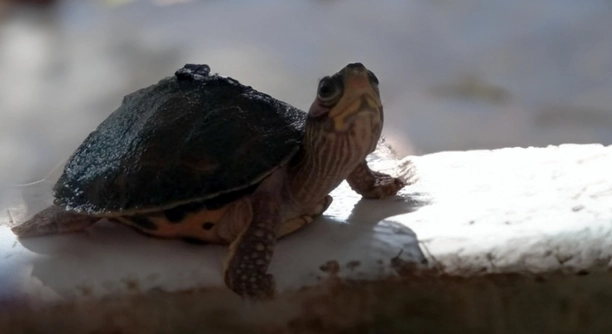
Do you ever find yourself wondering which fruits are safe for your Indian roofed tortoise? Providing the right diet is essential for their health, but some fruits can be harmful if given too often or in large amounts.
Indian roofed tortoises can safely eat fruits like papaya, mango, and berries, but citrus fruits, avocados, and grapes should be avoided. Some fruits are high in sugar or contain harmful compounds that can affect their digestive system and overall health.
Understanding which fruits to include and which to avoid can help you provide a well-balanced diet. Some options may seem harmless but can have unintended effects on their health. Let’s explore the best and worst fruit choices for your tortoise.
Safe Fruits for Indian Roofed Tortoises
Indian roofed tortoises can enjoy a variety of fruits in moderation. Papaya is a great choice because it is rich in fiber and vitamins. Mango provides essential nutrients while being easy to digest. Berries, such as strawberries and blueberries, are packed with antioxidants and are a healthy treat. Watermelon, with its high water content, helps with hydration. Apples can also be fed in small amounts, but seeds should be removed since they contain harmful compounds. Bananas are another option, but they should be given sparingly due to their high sugar content. These fruits can be a tasty addition to your tortoise’s diet when balanced with leafy greens and vegetables. Overfeeding fruits can lead to digestive issues, so it is important to offer them in small portions. A varied diet ensures your tortoise gets the right balance of nutrients while staying healthy and active.
Fruits should be fed occasionally rather than daily. Too much fruit can cause health problems, including obesity and digestive issues. Mixing fruits with other foods helps maintain a balanced diet.
Observing how your tortoise reacts to different fruits is essential. Some may prefer certain types over others, while some may have sensitive digestion. Offering a mix of safe fruits in moderation keeps their diet both nutritious and enjoyable.
Unsafe Fruits for Indian Roofed Tortoises
Some fruits can be harmful to Indian roofed tortoises. Citrus fruits, such as oranges and lemons, are too acidic and can upset their digestive system. Avocados contain a substance that is toxic to many reptiles and should always be avoided.
Grapes and raisins can cause health issues, as they contain compounds that may lead to kidney problems. Too much sugar from these fruits can also lead to weight gain. Tomatoes, while sometimes mistaken as a safe option, are too acidic and may cause digestive discomfort. Some fruits have seeds or pits that contain harmful substances, such as cherries, peaches, and apples. These should be carefully prepared or avoided altogether. It is always best to research any new fruit before offering it to your tortoise. Feeding unsafe fruits can lead to long-term health problems, making it important to stick to a well-researched diet plan. Providing a mix of leafy greens, vegetables, and safe fruits will help your tortoise thrive.
How to Feed Fruits to Your Indian Roofed Tortoise
Fruits should be given as an occasional treat, making up no more than 10% of their diet. Too much fruit can lead to digestive problems and an imbalance in nutrients. Always wash fruits thoroughly to remove pesticides before feeding them to your tortoise.
Cut fruits into small, manageable pieces to prevent choking. Soft fruits like papaya and mango can be mashed for easier consumption. Apples and other firm fruits should be sliced thinly, with seeds removed. Avoid feeding overripe or moldy fruits, as they can cause stomach issues. Mixing fruits with leafy greens can help balance their diet and prevent them from becoming too accustomed to sweet foods. If your tortoise shows signs of digestive discomfort, reduce the amount of fruit or eliminate it temporarily. Observing their eating habits can help you adjust their diet for optimal health.
Feeding fruit once or twice a week is enough. It is best to rotate different fruits to ensure variety in nutrients. Providing fresh, clean water alongside fruits helps with digestion. Keep an eye on their weight and activity levels to ensure their diet is not causing any health issues. A well-planned feeding schedule supports their overall well-being.
Signs Your Tortoise Is Reacting Poorly to Fruit
Loose stools or diarrhea can indicate that your tortoise is eating too much fruit. Their digestive system is sensitive to high sugar content, which can cause imbalances. If their droppings become watery or unusually soft, reduce or remove fruit from their diet.
A sudden loss of appetite may suggest that fruit is causing digestive discomfort. Some tortoises may experience bloating or lethargy after consuming too much sugary or acidic fruit. If they seem less active or refuse to eat their regular diet, it may be best to cut back on fruit intake. Long-term effects of overfeeding fruit can include obesity, which puts stress on their organs and mobility. Keeping a close watch on their behavior and diet can help prevent health issues before they become serious. If digestive problems persist, consulting a reptile veterinarian is a good idea.
Best Practices for a Balanced Diet
A varied diet is essential for keeping your tortoise healthy. Leafy greens like dandelion, collard greens, and mustard greens should make up the majority of their meals. Vegetables such as squash and bell peppers provide additional nutrients, while occasional fruits add variety without overwhelming their digestive system.
Calcium is crucial for shell and bone health. Offering cuttlebone or calcium supplements helps prevent deficiencies. Fresh, clean water should always be available to support digestion. Avoid feeding processed or human foods, as they can be harmful. A well-balanced diet promotes longevity and overall well-being.
How Often to Feed Fruits
Feeding fruit once or twice a week is enough to provide variety without causing health problems. Too much fruit can lead to sugar imbalances, so portion control is key. Small pieces mixed with greens help maintain a balanced diet while preventing excessive sugar intake.
Monitoring Your Tortoise’s Health
Regularly check their weight and activity levels to ensure they remain in good health. If they become sluggish or gain too much weight, adjusting their diet can help. Keeping an eye on their eating habits ensures they get the right balance of nutrients for a healthy life.
FAQ
Can Indian roofed tortoises eat bananas?
Yes, but only in small amounts. Bananas are high in sugar, which can lead to digestive issues if overfed. They should be an occasional treat rather than a regular part of their diet. Mixing banana with leafy greens can help balance sugar intake.
Are strawberries safe for Indian roofed tortoises?
Strawberries are safe in moderation. They contain antioxidants and vitamins but also have natural sugars that should be limited. Offering a small piece occasionally is fine, but too much can upset their digestion. Always wash strawberries thoroughly before feeding.
Can I feed my tortoise citrus fruits like oranges?
No, citrus fruits should be avoided. They are too acidic and can cause digestive discomfort. Regular consumption may lead to stomach irritation or other health problems. Stick to non-acidic fruits like papaya or berries instead.
Is watermelon a good fruit choice?
Watermelon is a good option because of its high water content, which helps with hydration. However, it is low in fiber, so it should not replace more nutrient-rich foods. Feed small seedless pieces occasionally to prevent digestive issues.
Are apples safe for my tortoise?
Apples are safe, but the seeds should always be removed. Apple seeds contain compounds that can be toxic to tortoises. Offer thin slices in moderation, as apples have a high sugar content. Always wash them to remove pesticide residues.
What happens if my tortoise eats too much fruit?
Eating too much fruit can lead to diarrhea, bloating, and weight gain. High sugar intake may cause imbalances in their digestive system. If you notice loose stools or reduced activity, cut back on fruit and focus on leafy greens and vegetables.
Can tortoises eat dried fruit?
Dried fruit is not recommended. It has a higher sugar concentration than fresh fruit, which can cause digestive problems. Additionally, some dried fruits contain preservatives that are harmful to tortoises. Stick to fresh, natural options instead.
How should I introduce new fruits to my tortoise?
Introduce new fruits gradually and in small amounts. Observe their reaction to ensure they tolerate the fruit well. If they show any signs of digestive discomfort, remove the fruit from their diet. Slow introduction helps prevent sudden dietary issues.
Is it okay to mix fruits with vegetables?
Yes, mixing fruits with vegetables can help balance their diet. Adding small fruit pieces to a vegetable mix can encourage your tortoise to eat a variety of foods. However, fruits should always be the smallest portion of the meal.
Do Indian roofed tortoises need fruit in their diet?
Fruits are not necessary but can be offered occasionally as a treat. Their main diet should consist of leafy greens and vegetables. If given, fruits should be in small portions to prevent health issues caused by excessive sugar intake.
What are signs that my tortoise is not tolerating a fruit well?
Loose stools, bloating, and reduced appetite are signs that a fruit may not be suitable. If you notice any of these symptoms, stop feeding the fruit and observe their behavior. If the issues persist, consult a reptile veterinarian for advice.
Can tortoises eat fruit peels?
It depends on the fruit. Some peels, like banana or citrus, may contain pesticides or be too tough for digestion. Always remove peels unless you are sure they are safe. Wash all fruits thoroughly before feeding to remove any chemicals.
What is the best way to serve fruit to my tortoise?
Fruits should be cut into small, manageable pieces to prevent choking. Soft fruits can be mashed if needed. Mixing fruit with leafy greens can help control sugar intake and keep their diet balanced. Avoid feeding large or unpeeled chunks.
How often should I give fruit to my tortoise?
Fruit should be given no more than once or twice a week. Feeding fruit too often can lead to health problems due to its sugar content. A well-balanced diet mainly consisting of greens and vegetables is the best way to keep your tortoise healthy.
Final Thoughts
Providing the right diet for your Indian roofed tortoise is important for their overall health. While fruits can be a tasty treat, they should only make up a small part of their meals. Safe fruits like papaya, mango, and berries offer vitamins and hydration, but they should be fed in moderation. Too much fruit can lead to digestive issues and weight gain. It is best to combine fruits with leafy greens and vegetables to create a well-balanced diet. Avoid harmful fruits like citrus, avocados, and grapes, as they can cause serious health problems. Understanding which foods are safe and which to avoid helps keep your tortoise healthy and active.
Observing your tortoise’s eating habits and reactions to different fruits is essential. Some tortoises may enjoy certain fruits more than others, while some may have trouble digesting specific types. Signs of discomfort, such as loose stools or bloating, indicate that a fruit may not be suitable. Introducing new foods slowly allows you to monitor their response and adjust their diet as needed. If your tortoise shows signs of illness, consulting a reptile veterinarian is always a good idea. A well-maintained diet, along with proper hydration and a clean environment, ensures they stay strong and thrive.
Feeding your tortoise the right way is about balance and moderation. Fruits should only be given as occasional treats, with the main focus on nutrient-rich greens and vegetables. Preparing food correctly by removing seeds, cutting fruit into small pieces, and washing thoroughly reduces risks. A consistent diet helps prevent health issues and ensures your tortoise gets the nutrients they need. Paying attention to their behavior, weight, and digestion will help you make informed feeding decisions. A healthy diet supports their long-term well-being and allows them to live a happy, active life.

Hello,
If you enjoy the content that we create, please consider saying a "Thank You!" by leaving a tip.
Every little bit helps us continue crafting quality advice that supports the health, happiness, and well-being of pets around the world, for pets of all shapes, sizes, and species.
We really appreciate the kindness and support that you show us!