
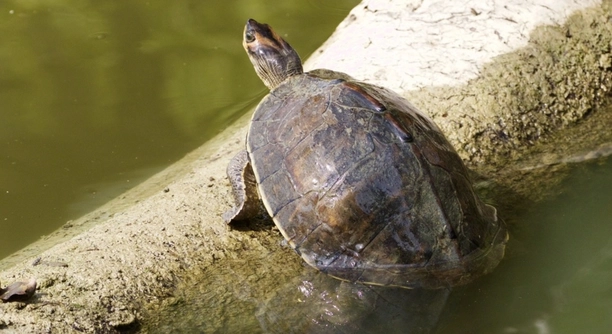
A healthy shell is essential for the well-being of your Indian Roofed Tortoise. One of the most important ways to support your tortoise is through proper supplementation. The right nutrients help promote shell growth and overall health.
To maintain a healthy Indian Roofed Tortoise shell, providing the right supplements is crucial. Vitamins and minerals such as calcium, vitamin D3, and omega-3 fatty acids can support strong, well-formed shells and boost immune function.
Choosing the right supplements can make a significant difference in your tortoise’s health. We will guide you through the best options for promoting a strong and vibrant shell.
The Importance of Calcium for a Strong Shell
Calcium is one of the most important supplements for your Indian Roofed Tortoise. It plays a key role in shell development, ensuring that the shell remains hard and resistant to injury. A calcium deficiency can lead to softening or deformities in the shell. This is a common issue, especially in young tortoises that are still growing.
Calcium supplements should be offered regularly, especially for tortoises that do not have access to a natural diet rich in calcium. Calcium can come in many forms, such as powder or cuttlefish bone. It is essential to provide the right amount, as both deficiency and excess can lead to health issues.
In addition to calcium, offering UVB light is crucial for helping your tortoise absorb and utilize the calcium effectively. Without proper lighting, the body cannot process calcium properly, which may hinder shell growth and lead to skeletal problems. Ensure that your tortoise has access to a UVB light source for several hours each day. This combination of calcium and UVB light will help your tortoise develop a strong, healthy shell.
Vitamin D3: Essential for Calcium Absorption
Vitamin D3 works alongside calcium to support healthy shell development. Without sufficient vitamin D3, your tortoise will not be able to absorb calcium properly, even if it is provided in large amounts.
Vitamin D3 supplements are available in various forms, including powder and liquid. A well-balanced diet can provide some vitamin D3, but if your tortoise isn’t getting enough sunlight or UVB light, supplementation may be necessary. Overuse of vitamin D3 should be avoided, as it can lead to toxicity and serious health problems, including kidney damage.
Make sure that your tortoise has both proper lighting and, when needed, vitamin D3 supplements to ensure its shell and bone health. A combination of these two elements will work together to help keep your tortoise in peak condition. This, in turn, will support overall health and longevity.
Omega-3 Fatty Acids for a Healthy Shell
Omega-3 fatty acids help support your tortoise’s immune system and promote healthy skin, which indirectly benefits shell quality. They can also reduce inflammation, ensuring that your tortoise’s shell remains strong and free from conditions like shell rot.
Adding omega-3 fatty acids to your tortoise’s diet is easy. These nutrients can be found in fish oil or certain plant oils. A balanced diet that includes these oils can help provide a natural source of omega-3s. While not required in huge amounts, these fats play an important role in the overall health of your tortoise.
It’s important to offer omega-3s in moderation. Too much can lead to weight gain or digestive upset. Omega-3 fatty acids work best when combined with other essential nutrients like calcium and vitamin D3. Make sure your tortoise gets a variety of healthy supplements for optimal shell care.
Vitamin A for Healthy Shell Maintenance
Vitamin A plays a vital role in maintaining healthy skin and shell growth in tortoises. It helps with cell repair, supporting the regeneration of damaged shell tissue and promoting overall skin health. Without enough vitamin A, your tortoise might experience slow growth or a dull, unhealthy shell.
You can find vitamin A in many fruits and vegetables, such as carrots and sweet potatoes. If your tortoise doesn’t eat enough of these naturally, vitamin A supplements are available. However, be cautious, as too much vitamin A can cause toxicity. The goal is to offer the right amount to support growth without overloading the system.
Including vitamin A in your tortoise’s diet will ensure it has healthy skin and shell maintenance. Like other vitamins and minerals, it’s best to offer a varied diet with the right supplements to support your tortoise’s long-term health.
Zinc for Shell Health
Zinc is essential for the growth and repair of your tortoise’s shell. It helps maintain a strong immune system and supports overall cellular function. Zinc deficiency can result in poor shell condition and slow healing in case of injuries.
While zinc is vital, it’s important to offer it in appropriate amounts. Too little can lead to shell deformities, while too much can cause digestive issues. Zinc-rich foods like leafy greens and some grains can help support your tortoise’s shell health.
Probiotics for Digestive Health
Probiotics aid in maintaining a healthy gut, which is key for nutrient absorption. A balanced digestive system allows your tortoise to process vitamins and minerals, such as calcium and vitamin A, more effectively. When gut health is compromised, nutrient deficiencies can occur, affecting shell growth.
Including a probiotic supplement in your tortoise’s diet will support its overall well-being and shell development. These supplements help maintain a healthy balance of beneficial bacteria in the digestive system. This, in turn, improves the absorption of essential nutrients for a stronger, healthier shell.
Magnesium for Shell Strength
Magnesium helps with bone and shell formation. It works closely with calcium and vitamin D3, enhancing their effectiveness in building a strong, solid shell. Magnesium deficiency can lead to weak shells and overall poor health. You can provide magnesium through leafy greens and some fruits.
FAQ
What are the signs of calcium deficiency in a tortoise?
Calcium deficiency can show up in several ways, including soft or malformed shells. Your tortoise may also appear lethargic, have difficulty moving, or struggle with muscle weakness. In severe cases, a calcium deficiency can lead to metabolic bone disease, which weakens the bones and shell further. Regularly monitoring your tortoise’s shell and behavior can help catch this early, allowing you to make adjustments to its diet.
How often should I provide supplements to my tortoise?
Supplements should be offered regularly but in moderation. Calcium and vitamin D3 are often given daily or every other day, depending on your tortoise’s diet. Omega-3 fatty acids and vitamins like A and E can be provided less frequently but still on a regular basis. It’s essential to balance the supplementation with natural foods, ensuring your tortoise gets a variety of nutrients. Over-supplementing can be harmful, so be mindful of the amount and frequency.
Can I use human supplements for my tortoise?
It’s generally not recommended to use human supplements for your tortoise, as their nutritional needs differ. Supplements made specifically for reptiles are formulated with the right dosages and ingredients that cater to their biological needs. Human supplements can be too strong or include additives that may not be safe for tortoises. Stick to reptile-specific supplements to ensure your pet’s safety.
How can I ensure my tortoise is getting enough UVB light?
UVB light is crucial for your tortoise to properly absorb calcium and maintain a healthy shell. To provide proper UVB exposure, invest in a high-quality UVB light and make sure it is positioned appropriately above your tortoise’s basking area. The light should be on for about 10-12 hours a day. Replacing the bulb every 6 to 12 months is also important, as UVB output decreases over time, even if the light still appears to be working.
Is there a specific diet that supports shell health?
Yes, a varied diet plays a vital role in supporting your tortoise’s shell health. Offer dark leafy greens like collard greens, dandelion greens, and kale. These provide essential vitamins and minerals like calcium and magnesium. Avoid feeding too much fruit or foods high in oxalates, as they can interfere with calcium absorption. A combination of fresh vegetables, leafy greens, and occasional high-quality commercial pellets is the best way to keep your tortoise’s shell strong.
What should I do if my tortoise’s shell has damage or cracks?
If your tortoise’s shell has cracks or damage, it’s important to seek veterinary advice. Small cracks may heal on their own if the tortoise is kept in the right conditions, but larger wounds require more care. Keeping the shell clean and free from bacteria is essential. A vet can also offer specialized treatments to help prevent infections and promote healing.
Are there any risks associated with over-supplementing my tortoise?
Over-supplementing can lead to toxicity or health problems in your tortoise. Too much calcium can cause kidney problems or difficulty in absorbing other essential minerals. Excessive vitamin D3 can result in calcification of the soft tissues, while too much vitamin A can lead to liver damage. It’s important to follow the recommended dosages and adjust based on your tortoise’s diet and exposure to natural sunlight. Always consult with a vet before introducing new supplements or adjusting the amounts.
Can my tortoise get enough nutrients from its natural diet alone?
It depends on the diet. If your tortoise is in a controlled environment where it has access to a variety of fresh, nutrient-rich plants, it might get the nutrients it needs. However, many pet tortoises do not have access to the variety of food they would in the wild. In these cases, supplements are necessary to fill in nutritional gaps and ensure they get the proper amounts of calcium, vitamins, and minerals. Always monitor your tortoise’s health and adjust its diet accordingly.
How can I tell if my tortoise is healthy?
A healthy tortoise will have a firm, smooth shell with no cracks or soft spots. It should be active, alert, and able to move around easily. The eyes should be clear and free of discharge, and the tortoise should have a good appetite. Regular weight checks, shell inspections, and behavior monitoring will help you catch any potential health issues early. If you notice any signs of illness, such as lethargy or unusual behavior, consult a vet for advice.
What should I do if my tortoise refuses to eat?
Loss of appetite in tortoises can be due to many factors, including temperature changes, stress, or illness. Make sure your tortoise’s habitat is set up properly with the right temperature and humidity levels. If the environment is not ideal, it may affect your tortoise’s eating habits. Offer a variety of foods to stimulate interest, and if the problem persists for more than a few days, seek veterinary help to rule out underlying health issues.
Are there specific foods to avoid for my tortoise’s shell health?
Yes, some foods should be avoided as they can interfere with calcium absorption or cause other health issues. Foods like spinach, beet greens, and rhubarb contain oxalates, which bind to calcium and prevent its absorption. Additionally, fruits should be offered in moderation, as high sugar content can cause digestive issues. Stick to a diet rich in leafy greens and low in high-oxalate foods for optimal shell health.
Final Thoughts
Maintaining a healthy shell for your Indian Roofed Tortoise requires a balanced approach, combining proper diet, supplements, and environmental conditions. Calcium and vitamin D3 are the most important nutrients to support shell growth and strength. Without these, the shell can become weak or deformed, leading to long-term health problems. Offering a variety of fresh vegetables and leafy greens, alongside supplements when necessary, ensures your tortoise is getting the right nutrients. Remember that supplements should never replace a healthy diet but rather complement it for optimal results.
Aside from calcium and vitamins, omega-3 fatty acids and magnesium play an essential role in supporting your tortoise’s immune system and promoting healthy shell maintenance. Probiotics are another important addition, as they help regulate digestion and ensure better absorption of nutrients. Every tortoise’s needs are different, so it’s important to observe their health regularly. If you notice any changes in shell appearance or behavior, it could indicate an imbalance in their diet or supplementation. Consulting with a vet regularly can help keep track of your tortoise’s overall health and guide you in making adjustments to their care routine.
Lastly, remember that the proper care for your tortoise goes beyond just supplements and diet. Providing an adequate living environment, including access to proper lighting and temperature, is just as important. UVB light is necessary for your tortoise to absorb calcium, so be sure to maintain appropriate lighting and basking conditions. With the right balance of food, supplements, and environment, your tortoise can live a long and healthy life with a strong, vibrant shell.

Hello,
If you enjoy the content that we create, please consider saying a "Thank You!" by leaving a tip.
Every little bit helps us continue crafting quality advice that supports the health, happiness, and well-being of pets around the world, for pets of all shapes, sizes, and species.
We really appreciate the kindness and support that you show us!