
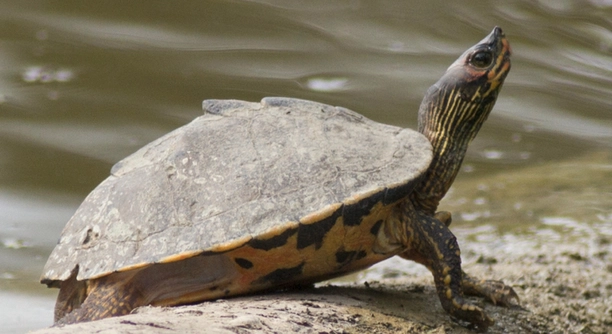
Tortoises are sensitive to temperature changes, and the Indian roofed tortoise is no exception. Ensuring it stays at a comfortable temperature is important for its health and well-being.
If your Indian roofed tortoise is too cold during the day, it may become lethargic or seek warmth, showing little interest in food or movement. A sudden drop in temperature can cause stress or even health issues, so it’s vital to monitor the environment.
Taking a few simple steps can help you keep track of your tortoise’s temperature needs. Knowing the signs of discomfort will make a difference in creating a suitable home for your pet.
How Temperature Affects Your Indian Roofed Tortoise
Your Indian roofed tortoise, like other reptiles, depends on external heat sources to regulate its body temperature. Without the right warmth, it may become sluggish or even stop eating altogether. The ideal temperature for these tortoises is between 85-90°F during the day, with a basking spot reaching up to 95°F. If the environment is too cold, their metabolism slows, which can lead to digestive issues or weakened immune systems. You’ll likely notice a change in behavior, such as hiding or staying still for long periods.
Cold temperatures affect more than just activity levels. A sudden drop in temperature can lead to respiratory issues, making your tortoise more vulnerable to infections. This is why it’s essential to provide consistent warmth throughout the day, especially during colder months.
To prevent problems, create a temperature gradient in their enclosure. This allows your tortoise to move between warmer and cooler areas as needed. Using heat lamps or ceramic heaters can help maintain the proper environment.
Identifying the Signs of Cold Stress
Cold stress is one of the main reasons why your tortoise might not behave normally during the day. If it spends too much time in cold conditions, it can become less active or lose its appetite.
When your tortoise is too cold, it will often retreat to its shell, staying still for long periods. You might also notice it avoiding its food or water. Over time, this can weaken its immune system, making it more susceptible to illnesses. These signs should never be ignored.
Maintaining proper temperature control and making sure the habitat mimics natural conditions will help your tortoise stay healthy. The right environment is critical for their digestion, energy levels, and overall well-being. If you notice these signs, it’s time to adjust the temperature.
How to Provide the Right Heat for Your Tortoise
To give your Indian roofed tortoise the best chance at staying healthy, you need to control the temperature in its habitat. A basking spot with an appropriate heat source is crucial. You can use a heat lamp or a ceramic heater to ensure the temperature stays consistent. It’s best to keep the enclosure’s overall temperature between 75-85°F, but a basking spot should be warmer. Keep a thermometer in the habitat to monitor the temperatures regularly and adjust as needed. If you’re unsure of the temperature, invest in a reliable digital thermometer for accuracy.
In addition to heat, your tortoise will also need access to cooler areas within its habitat. This gradient allows them to regulate their body temperature, moving to a warmer area when they need heat and a cooler area if they’re too warm. A balanced environment is key to promoting natural behaviors, such as eating, drinking, and moving around. If you’re struggling to keep the enclosure warm enough, consider placing the tank in a warmer room or using additional heating elements. With a little effort, you can create an ideal living space for your tortoise.
Checking the Temperature Regularly
Checking the temperature regularly is essential to ensure your tortoise stays healthy. Fluctuating temperatures can affect your tortoise’s appetite and behavior. Use thermometers in different spots of the enclosure to monitor hot and cool areas. This helps you spot any issues before they affect your pet.
It’s important to check the temperature at different times of the day. The temperature can change with the time of day, so make sure to adjust the heating elements accordingly. Morning and evening temperatures may be lower, so you may need to increase the heat during these times. This consistency helps your tortoise maintain a stable body temperature.
If the environment is too cold for too long, it can result in lethargy or even health problems. Maintaining a constant range of temperatures ensures that your tortoise can regulate its body heat properly, keeping it active and eating well. Frequent checks help avoid any drastic temperature shifts that could harm your pet.
Providing a Warm Basking Area
A warm basking area is vital for your Indian roofed tortoise’s health. This area should be positioned where the tortoise can easily reach it. Aim for a temperature of about 95°F for the basking spot, which will provide the heat your tortoise needs. Using a heat lamp or a ceramic bulb can help maintain the right temperature in this zone.
Make sure the basking area is large enough for your tortoise to move around in. It should not feel cramped. Place the basking light directly above the spot to ensure it stays warm and your tortoise can bask comfortably. This is where your tortoise will spend much of its time during the day to soak up heat.
Additionally, be mindful of the light source. If the heat source is too close or too far from the basking spot, it will be ineffective. Adjust the distance between the lamp and the basking area to maintain a consistent temperature. Proper basking temperatures promote digestion and overall health.
Using a Heat Source Properly
Using the right heat source is essential for your tortoise’s comfort. A heat lamp is a great option for maintaining warmth, but be sure to choose the correct wattage. Too high or low a wattage can make the enclosure too hot or too cold.
Check the manufacturer’s guidelines for the heat source. Make sure it fits your tortoise’s habitat size. For larger enclosures, a higher wattage or multiple heat lamps may be necessary to ensure the warmth is evenly distributed. Avoid using standard light bulbs as they won’t provide the necessary heat.
Make sure the heat lamp isn’t too close to your tortoise, as it can cause overheating or burns. Maintain the right distance and monitor the temperature regularly to ensure your tortoise stays at a comfortable level.
Keeping the Enclosure Dry
Humidity levels are important to manage when keeping your tortoise’s habitat warm. Too much moisture can affect the heating elements and cause mold or other issues. Keeping the enclosure dry ensures that the temperature remains stable and helps prevent bacteria growth.
Regularly check for excess moisture or damp areas. If you notice any, use a towel or cloth to absorb it. Consider placing a dehumidifier near the enclosure if humidity levels are high. Dry conditions also prevent your tortoise from getting too cold or becoming uncomfortable in its home.
Importance of a Gradual Temperature Change
A sudden drop in temperature can shock your tortoise’s system. It’s important to gradually adjust the temperature if needed. This allows your tortoise to acclimate to the change without experiencing stress or health issues.
If you need to lower the temperature, do so slowly over a period of time. Sudden changes can impact your tortoise’s behavior, causing lethargy or refusal to eat. Give your pet time to adjust and monitor its response closely. A slow transition ensures that your tortoise stays comfortable and healthy during temperature adjustments.
FAQ
How can I tell if my Indian roofed tortoise is too cold?
If your Indian roofed tortoise is too cold, you may notice signs of lethargy. It will likely hide in its shell for long periods and may not be as active as usual. Eating and drinking could decrease as well. If your tortoise isn’t basking or spending less time in its heat spot, it could be too cold. It’s important to regularly check the temperature of the enclosure to ensure it stays in the right range, especially during cooler months.
What temperature should my Indian roofed tortoise have during the day?
The ideal temperature for your tortoise’s daytime habitat is between 85-90°F. The basking spot should be around 95°F. This gives your tortoise the right environment to regulate its body temperature. Without these temperatures, your tortoise’s metabolism slows down, and it could become sluggish or sick. Using a thermometer in various areas of the enclosure ensures the correct temperatures are maintained.
How do I prevent my Indian roofed tortoise from getting too cold?
Ensure the enclosure has a proper heat source, like a heat lamp or ceramic bulb. Set up a basking area with a temperature of 95°F to allow your tortoise to warm up as needed. In colder weather, you may need to add extra heating sources. Keep the enclosure in a warm area of your home or use a space heater if necessary. Regularly check the temperature with a reliable thermometer to prevent cold stress.
What are the signs that my tortoise is cold-stressed?
Cold stress in your tortoise may show up as lack of movement, loss of appetite, and increased hiding behavior. Your tortoise might not bask as often, and its energy levels will drop. The best way to avoid cold stress is to keep its habitat at a steady temperature and make sure the basking area is warm enough. If you notice these signs, immediately check the temperature and adjust it as needed.
Can I use a regular light bulb to heat my tortoise’s habitat?
Regular light bulbs do not provide enough heat for your tortoise. You should use a proper heat lamp or ceramic heater, which are designed to provide a consistent warmth suitable for reptiles. Heat lamps offer the right kind of heat without producing visible light, allowing your tortoise to bask comfortably without disturbing its sleep cycle.
Is it okay for my tortoise to be in direct sunlight?
Direct sunlight can be good for your tortoise, but it depends on the environment. If the outside temperature is warm enough, your tortoise can enjoy some natural sunlight. However, be careful not to let it overheat. Make sure there’s a shady area in case your tortoise gets too warm. Always monitor the temperature closely, as outdoor conditions can change quickly.
How often should I check the temperature in my tortoise’s enclosure?
You should check the temperature in your tortoise’s enclosure at least once a day. Temperature can fluctuate throughout the day, especially in the morning or evening. Use a thermometer to monitor the basking area and cool areas to ensure a consistent environment. If you notice any major temperature changes, adjust the heat source accordingly.
Can a cold environment affect my tortoise’s digestion?
Yes, a cold environment can slow down your tortoise’s digestion. Cold temperatures cause a drop in metabolism, meaning food stays in the digestive system longer and may not be processed properly. This can lead to health issues like constipation or loss of appetite. Make sure your tortoise’s enclosure is warm enough for proper digestion, and provide fresh food at the right temperature.
What can I do if my tortoise refuses to eat in colder weather?
If your tortoise is refusing to eat during colder weather, check the enclosure’s temperature. If it’s too cold, it may be affecting your tortoise’s appetite. Warm up the basking area and ensure the temperature is consistent. A temperature that’s too low will cause your tortoise to lose interest in food. Make sure to offer fresh, appropriate food and wait for it to warm up before offering it again.
Should I leave my tortoise’s heat lamp on all day?
Your tortoise’s heat lamp should be left on during the day to maintain a consistent temperature. At night, you can turn it off as long as the ambient temperature in the room doesn’t fall below 70°F. Some tortoises may need a low-level heat source at night if temperatures drop too much, so be mindful of that. Always ensure the heat lamp doesn’t overheat the enclosure during the day, especially in warm climates.
How do I maintain the right humidity levels in my tortoise’s habitat?
Humidity should be kept at a moderate level, around 50-60%. Too much moisture can make the environment damp, affecting the heat sources and causing mold or bacteria. Too little humidity can dry out your tortoise’s skin and respiratory system. To control humidity, mist the enclosure lightly if necessary, but avoid excess water. Make sure there’s enough airflow to prevent dampness while keeping the environment comfortable for your tortoise.
Can I use a space heater to warm my tortoise’s habitat?
A space heater can be used to warm the room where your tortoise’s enclosure is located, but it’s important to also use a heat lamp to directly warm the basking area. Space heaters are helpful for regulating the overall temperature of the room, but they don’t provide focused heat like a heat lamp. Keep a close eye on the room’s temperature and adjust accordingly.
Final Thoughts
Maintaining the right temperature for your Indian roofed tortoise is crucial for its health and well-being. Tortoises, like other reptiles, rely on external heat sources to regulate their body temperature. If the environment is too cold, it can affect their metabolism, energy levels, and even digestion. By ensuring that the temperature stays within the recommended range, you can help your tortoise thrive and stay active. It’s important to monitor the enclosure’s temperature regularly using a thermometer and make adjustments when needed.
A proper basking area is essential for your tortoise to warm up and digest food properly. The basking spot should be around 95°F, allowing your tortoise to absorb the necessary heat. It’s also helpful to create a temperature gradient in the enclosure, giving your tortoise the option to move between warmer and cooler areas as needed. Ensuring your tortoise has access to both heat and cool areas helps it regulate its body temperature naturally, promoting a healthy lifestyle. Without this balance, your tortoise could experience stress, which could lead to health problems.
In conclusion, providing the right temperature and environment for your tortoise requires regular attention. This means keeping the enclosure in a well-heated area of your home, using proper heat sources, and checking temperatures frequently. By maintaining a stable and suitable environment, you can ensure that your tortoise remains active, healthy, and happy. Temperature control is one of the most important aspects of reptile care, and with a little effort, you can provide a safe and comfortable home for your Indian roofed tortoise.

Hello,
If you enjoy the content that we create, please consider saying a "Thank You!" by leaving a tip.
Every little bit helps us continue crafting quality advice that supports the health, happiness, and well-being of pets around the world, for pets of all shapes, sizes, and species.
We really appreciate the kindness and support that you show us!