
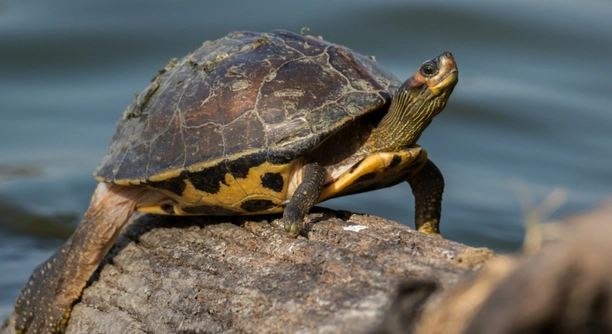
Your Indian Roofed Tortoise may start lifting its front legs for a variety of reasons. This behavior can be confusing, but understanding it is key to ensuring the comfort and well-being of your tortoise.
The primary reason for this behavior is that your Indian Roofed Tortoise is likely stretching its limbs or displaying curiosity. Tortoises may lift their front legs to explore their surroundings or simply to increase flexibility, which is normal behavior.
These movements are part of natural tortoise behavior. Understanding this will help you respond properly to your tortoise’s needs.
Why Does My Indian Roofed Tortoise Lift Its Legs?
Your Indian Roofed Tortoise may lift its front legs for several reasons, some of which are completely normal. If you notice this behavior, it’s likely a sign that your tortoise is stretching, exploring, or adjusting its posture. Stretching is a common action that helps maintain flexibility, and it is part of how tortoises keep their muscles and joints healthy. Tortoises can also raise their legs when they feel curious or need to test their surroundings. These movements should not be alarming unless they are accompanied by signs of distress, such as unusual lethargy or other behavioral changes. Keep an eye on your tortoise and see if this behavior continues to occur regularly, especially during specific times of day.
If your tortoise is constantly lifting its legs without any other issues, it’s likely not something to worry about. It may just be a natural response to stretching or exploring.
It is important to ensure that your tortoise’s environment is safe and comfortable. Check the humidity, temperature, and habitat setup to ensure that these factors are not contributing to the behavior.
When Should I Be Concerned?
While occasional leg-lifting is normal, there are situations where you may need to look closer. If the behavior is paired with signs of injury or distress, it could indicate something more serious. A tortoise that repeatedly lifts its front legs in an erratic manner, especially when combined with dragging, limping, or refusal to move, could be dealing with a health issue. In these cases, it’s vital to consult with a veterinarian who specializes in reptiles. These signs may point to leg or joint problems, or other medical concerns like metabolic bone disease. Prompt medical attention can help avoid further complications.
Tortoises need consistent care, and sometimes, a minor issue can escalate quickly. If your tortoise is displaying any signs of discomfort or pain, seek expert advice immediately. Make sure your tortoise’s living environment is optimal and check for any sources of stress, such as excess handling or improper diet.
Is My Tortoise Lifting Its Legs Due to Pain?
If your tortoise is constantly lifting its front legs or acting unusually, it may be a sign of pain. This could indicate that something is wrong with its legs, spine, or muscles. Check for any visible signs of injury, such as swelling, redness, or tenderness around the legs. If the lifting behavior becomes frequent and is not followed by normal movements, it’s time to get your tortoise checked. A professional can help determine if there’s an underlying issue.
Pain can be a result of various conditions, from a sprained muscle to more severe issues like fractures or infections. Tortoises can be very good at hiding pain, so subtle signs like leg-lifting may be their way of trying to relieve discomfort. If you notice that your tortoise is not as active or seems reluctant to move around as much, this could point to a physical injury or an illness that needs attention. Be mindful of how often the leg-lifting occurs and keep track of any changes in its behavior.
Tortoises are known to suffer from metabolic bone disease (MBD) if they don’t get enough calcium and vitamin D3. This condition can cause severe discomfort and weakness in the bones, leading to strange movements. If your tortoise seems to struggle with movement or has difficulty walking, MBD could be a factor. Providing the right diet and proper UVB lighting can help prevent this issue, but it’s essential to be proactive and monitor your pet closely for any signs of imbalance.
The Role of Temperature and Humidity in Leg-Lifting
Temperature and humidity play a big role in your tortoise’s overall comfort. If the conditions in your tortoise’s habitat aren’t ideal, it could be stressing your pet out, leading to unusual behaviors like leg-lifting. Ensure the enclosure is warm enough, with a basking area around 90°F (32°C) and a cooler area at about 75°F (24°C). Humidity should also be carefully managed based on your tortoise’s species, as too high or too low humidity can cause stress and even health problems.
Tortoises depend on environmental factors to regulate their body temperature and energy levels. If the temperature is too cold, your tortoise may be too stiff to move comfortably, causing it to stretch or lift its legs as a response. A proper temperature gradient in the enclosure ensures that your tortoise can move easily and regulate its body temperature as needed. If your tortoise is frequently lifting its legs and there’s no sign of physical injury, it might be reacting to discomfort from improper living conditions. Adjust the temperature, monitor humidity, and see if the behavior changes.
Is Your Tortoise Stretching to Stay Flexible?
Tortoises need to stretch to maintain flexibility, much like humans. Lifting their front legs is a natural behavior that helps them stay limber. This action can be a sign that your tortoise is simply engaging in normal physical activity.
Tortoises often stretch to release tension in their muscles or to explore their environment. If the leg-lifting seems random and isn’t accompanied by other unusual behaviors, it’s likely just a way for your tortoise to keep its body in good shape. Stretching can also help your tortoise feel more comfortable in its shell.
The Importance of Proper Diet
A balanced diet is essential for your tortoise’s health. If your tortoise is lifting its legs frequently, it could be trying to compensate for a lack of nutrients. Tortoises need a diet rich in calcium, fiber, and essential vitamins for strong muscles and bones. Without this, their bodies might not function as efficiently, leading to strange behaviors.
If you notice leg-lifting accompanied by other signs of malnutrition, such as lethargy or difficulty moving, a diet adjustment might be needed. Provide a mix of leafy greens, grasses, and other natural foods that are specific to your tortoise’s species. A proper diet helps prevent metabolic bone disease and other health issues.
Stress Factors That Affect Tortoises
Your tortoise’s behavior can change when it feels stressed. Stress can lead to a range of physical behaviors, including leg-lifting. Check for possible sources of stress in your tortoise’s environment, such as loud noises, too much handling, or an overcrowded enclosure. Reducing these stressors can help.
FAQ
Why does my Indian Roofed Tortoise keep lifting its front legs?
Lifting its front legs is likely a natural behavior for your tortoise. It could be stretching its muscles, exploring its surroundings, or simply adjusting its posture. This action helps your tortoise stay flexible and comfortable. If the behavior continues or is accompanied by other signs of distress, it might be a good idea to consult a veterinarian to rule out any health issues.
Could my tortoise be in pain when lifting its legs?
While lifting its legs could simply be a stretching or exploring action, it could also indicate discomfort. If your tortoise is lifting its legs frequently and not moving as it normally would, this could be a sign of pain. Check for visible injuries or swelling in the legs. If there are no signs of injury, but the behavior continues, it’s best to have your tortoise checked by a veterinarian to rule out any medical conditions.
What are the most common health problems that can cause my tortoise to lift its legs?
Tortoises can suffer from various health issues, such as fractures, sprains, or infections, that may cause them to lift their legs in an attempt to ease discomfort. Additionally, metabolic bone disease (MBD) can cause weakness in the bones and make movement difficult. If your tortoise seems to be lifting its legs due to pain or difficulty walking, it’s important to check its diet for calcium and vitamin D3 deficiency and seek veterinary advice.
Can improper habitat conditions cause my tortoise to lift its legs?
Yes, poor habitat conditions can lead to stress and discomfort, which may cause your tortoise to exhibit unusual behavior like lifting its legs. Temperature and humidity levels are particularly important for tortoises. If the environment is too cold or too humid, it can affect your tortoise’s mobility. Make sure the basking area is between 90°F (32°C) and 95°F (35°C), and the cooler area stays around 75°F (24°C). Check humidity levels according to your tortoise’s specific species needs.
How do I know if my tortoise is stretching or in pain?
If your tortoise is stretching, the leg-lifting should look controlled and purposeful. It may raise its legs slowly and then return to a resting position. On the other hand, pain-related leg-lifting is often accompanied by other signs like limping, reluctance to move, or an inability to fully extend its legs. If your tortoise’s movement appears erratic or if the behavior seems to persist despite no apparent reason for stretching, pain could be a factor. Seek veterinary care if you’re concerned.
What can I do to prevent my tortoise from lifting its legs too often?
If your tortoise is lifting its legs too often, check its overall health and environment. Make sure the temperature and humidity are within the right range and that your tortoise’s diet is balanced, particularly in calcium and vitamin D3. If the behavior persists, consult a veterinarian to rule out any physical conditions.
Is there a specific diet I should be feeding my tortoise to avoid leg-lifting?
To prevent any issues like metabolic bone disease, you should be feeding your tortoise a balanced diet with plenty of leafy greens, grasses, and safe vegetables. Make sure your tortoise is getting enough calcium by offering calcium supplements or providing foods that are naturally high in calcium, like dandelion greens. A proper diet, combined with the right lighting and temperature, can reduce the likelihood of muscle or bone issues that might cause leg-lifting.
Should I be worried if my tortoise is lifting its front legs while basking?
It’s not unusual for your tortoise to lift its legs while basking, as this is often a sign of stretching or adjusting its body position. Basking helps your tortoise regulate its body temperature, and lifting its legs might simply be a way for it to stay comfortable. However, if the behavior becomes excessive or is paired with other concerning signs like lack of movement or abnormal posture, it’s best to have your tortoise evaluated by a vet.
Can my tortoise lifting its legs be a sign of a behavioral issue?
While it’s uncommon for leg-lifting to be related to behavioral problems, stress or discomfort could cause this action. Stress can be triggered by factors like handling, changes in the environment, or overcrowded living conditions. If your tortoise seems stressed or anxious, reduce handling, ensure a calm environment, and check if there are any changes to its habitat that could be affecting it.
Should I be concerned if my tortoise stops lifting its legs?
If your tortoise suddenly stops lifting its legs or is moving less than usual, it could be a sign that it’s feeling unwell or is in pain. Tortoises are usually quite active, and a sudden change in behavior can indicate a problem. Pay attention to any other signs like lethargy, refusal to eat, or difficulty moving. If you notice these symptoms, it’s a good idea to visit a veterinarian for a check-up.
Can my tortoise’s age affect its leg-lifting behavior?
Yes, age can affect your tortoise’s behavior, including how it moves. Older tortoises may start to lift their legs more frequently due to stiffness or joint pain, much like older animals or humans. If you have an older tortoise, consider providing additional support, like a softer substrate, or adjusting the habitat to ensure it’s easy for your tortoise to move around comfortably.
How can I help my tortoise stay active and prevent stiffness in its legs?
Regular exercise, a proper diet, and a suitable environment are key to keeping your tortoise active and healthy. Offer opportunities for your tortoise to move around and explore. Keep its enclosure spacious enough for movement, and make sure it has access to both warm and cool areas to help regulate its body temperature. Supplement the diet with calcium and vitamins to support bone health, reducing the chances of stiffness.
Final Thoughts
Lifting its front legs is often a natural and harmless behavior for your Indian Roofed Tortoise. It may be stretching, exploring, or simply adjusting its posture to stay comfortable. Tortoises, like all animals, need to move and stretch to maintain flexibility, and this is a key part of their daily routine. If your tortoise occasionally lifts its legs without showing any signs of distress or other unusual behavior, there’s generally no need for concern. This kind of movement is simply part of their regular body functions, ensuring that they stay limber and healthy.
However, if you notice that the leg-lifting is frequent or seems to be associated with discomfort, it’s important to consider other factors. Pain, stress, or environmental issues can contribute to this behavior. You should check the habitat for any signs of discomfort, such as improper temperature, humidity, or lack of space. If the behavior persists or your tortoise shows signs of injury, difficulty moving, or reluctance to walk, it may be time to consult with a veterinarian. A proper diagnosis is important to address any potential health concerns and make sure your tortoise stays in good condition.
Remember, tortoises are resilient creatures, and many of their behaviors are simply part of their nature. Ensuring that your tortoise has a suitable environment with the right temperature, humidity, diet, and enough space for movement will go a long way in keeping it healthy. Regular monitoring and care will help you detect any changes or issues early. If you’re ever unsure, seeking the advice of a professional can give you peace of mind. Taking these steps will help ensure that your Indian Roofed Tortoise remains active, comfortable, and happy in its home.

Hello,
If you enjoy the content that we create, please consider saying a "Thank You!" by leaving a tip.
Every little bit helps us continue crafting quality advice that supports the health, happiness, and well-being of pets around the world, for pets of all shapes, sizes, and species.
We really appreciate the kindness and support that you show us!