
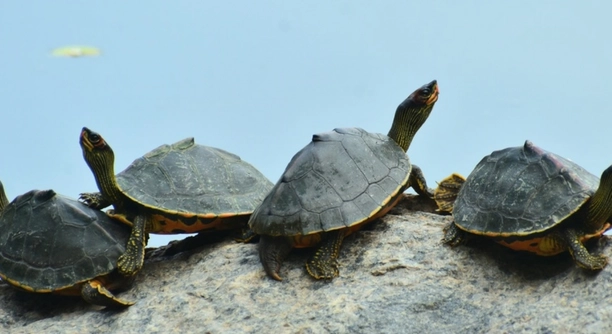
Indian Roofed Tortoises are known for their curiosity and active nature. If yours is frequently trying to climb, you might be wondering why this behavior is happening and what it signifies.
Climbing is a natural behavior for tortoises, often related to their instinct to explore and find food or shelter. Tortoises are curious creatures that feel comfortable climbing, especially if they encounter obstacles in their environment.
Understanding why your tortoise climbs can help improve its living space and overall well-being. Adjustments to its habitat may make it feel more secure and reduce excessive climbing.
The Climbing Instinct in Indian Roofed Tortoises
Indian Roofed Tortoises often exhibit climbing behaviors as part of their instinctual actions. These tortoises are naturally curious creatures, and climbing allows them to explore their surroundings. In the wild, they may encounter rocks, logs, and other surfaces that encourage this behavior. It’s their way of testing the boundaries of their environment, searching for food, or finding safe spots. When kept in captivity, the presence of obstacles like rocks or uneven surfaces might trigger climbing attempts, especially if they’re trying to reach higher ground. This behavior may also stem from a desire for stimulation, as tortoises can become bored if their enclosure lacks variety in terms of texture and space.
Sometimes, excessive climbing can indicate that your tortoise is not feeling comfortable in its environment. When a tortoise frequently attempts to climb, it may be signaling that it needs more space or enrichment.
Providing a more enriched habitat, with varied surfaces and hiding spots, can help satisfy their natural curiosity and reduce unnecessary climbing behavior. The addition of climbing-friendly items like rocks or logs can allow the tortoise to indulge in this instinct in a safe manner.
Potential Environmental Triggers for Climbing
Certain conditions in your tortoise’s environment can encourage climbing. A cramped enclosure with limited room for movement can lead to increased climbing as your tortoise seeks to explore. If your pet feels restricted, it may attempt to scale the walls or objects within the tank to gain more space. Similarly, if the habitat lacks proper hiding spots or surfaces for climbing, it could trigger the instinct to scale objects in search of these elements.
These behaviors are often a sign that the tortoise is looking for more stimulation. Tortoises in nature climb to escape danger or find food. Without the proper environment, captive tortoises may begin acting out of frustration. Providing variety in both structure and size within their space can make a noticeable difference in their behavior. Climbing may decrease when their environment is more suited to their needs. A larger enclosure with safe climbing structures is essential for ensuring the well-being of your tortoise.
Common Causes of Climbing Behavior
If your tortoise seems to be climbing frequently, it could be related to factors such as boredom, lack of space, or environmental stress. These behaviors are common in tortoises who do not have enough enrichment or room to roam. A small, cramped habitat will naturally lead to attempts to climb as they try to find more space.
Providing a larger, more varied environment is crucial. Tortoises need room to move freely, as well as structures like rocks or logs to climb on. A lack of climbing opportunities can result in frustration, leading your tortoise to attempt to scale the walls of its enclosure. Without proper stimulation, climbing becomes a form of coping with their environment. Adding things like plants, hides, and different textures will keep your tortoise engaged and reduce these behaviors.
Environmental stress is another factor that can trigger climbing. Tortoises are sensitive to temperature and humidity levels. If the conditions in their habitat are not ideal, they may become more restless and exhibit climbing as a way to cope with the discomfort. Make sure the temperature and humidity are appropriate for your species of tortoise to avoid unnecessary stress.
How to Stop Excessive Climbing
A good way to address excessive climbing is to ensure your tortoise’s environment is enriching and secure. The enclosure should have a variety of textures and hiding spots, making it more stimulating. You can also provide ramps or platforms that allow climbing in a controlled way. This ensures they can still indulge their natural instincts without the risk of escaping or injuring themselves.
If climbing persists, it’s important to check for underlying issues. Sometimes tortoises climb to escape the enclosure or because they feel unsafe. This could be due to the lack of hiding spaces or too much exposure to light or heat. Consider adding more shaded areas and secure hiding spots where they can feel safe. Ensuring the enclosure is properly sized and designed to prevent escape is also essential. A well-designed habitat that mimics their natural environment will go a long way in stopping excessive climbing.
The Role of Temperature and Humidity
Tortoises are highly sensitive to temperature and humidity, which can affect their behavior. If the conditions are off, climbing can become a stress response. Too much heat or too little humidity may lead to discomfort, prompting your tortoise to try and escape or find a cooler place.
Maintaining proper temperature and humidity levels in your tortoise’s habitat is key. Make sure the warm side of the enclosure is around 85-90°F, and the cooler side is around 75-80°F. A humidity level of 60-80% should be maintained, depending on the species. This balance will help keep your tortoise comfortable.
Enrichment for Your Tortoise
Enrichment is essential for your tortoise’s mental and physical well-being. Without it, they can become bored, which may lead to unwanted behaviors like climbing. Adding items such as rocks, logs, plants, and hiding spots can stimulate their curiosity and allow them to explore without feeling confined.
By providing an enriching environment, your tortoise will be more focused on exploring its space in a positive way. The addition of climbing platforms, textures, and safe objects encourages natural behaviors and reduces climbing attempts driven by frustration or boredom. Tortoises thrive in habitats that resemble their natural environment.
When to Seek Professional Help
If climbing persists despite adjusting the environment, it may be time to consult with a vet or reptile expert. A professional can help identify any potential health issues or environmental factors you may have missed. This will ensure your tortoise’s well-being.
FAQ
Why is my Indian Roofed Tortoise climbing so much?
Climbing is a natural behavior for Indian Roofed Tortoises, often driven by curiosity or the need to explore their environment. If your tortoise is climbing excessively, it could be due to boredom, lack of space, or an environmental issue like inappropriate temperature or humidity. They may also climb in search of food, shelter, or just to satisfy their instinct to explore. A lack of stimulation or a cramped enclosure can make them restless, leading to more climbing behavior. Providing more space, enrichment, and proper habitat conditions can help reduce this tendency.
How can I prevent my tortoise from climbing on the walls of its enclosure?
One of the easiest ways to prevent climbing is by offering your tortoise more enrichment. This could include adding rocks, logs, and other natural elements to the enclosure. Tortoises need variety in their habitat, including different textures and safe climbing spots. By doing so, they can satisfy their instinct to climb without trying to escape or scale the walls. Also, ensure that the enclosure is appropriately sized, providing enough room for your tortoise to roam. Proper humidity and temperature control also help to avoid stress, which can lead to climbing.
Is my tortoise stressed if it’s climbing a lot?
Excessive climbing can be a sign of stress, especially if your tortoise is constantly trying to escape or appears restless. Stress can arise from various factors, such as improper habitat conditions, like incorrect temperature, humidity, or a lack of space. Tortoises are sensitive to their surroundings, and an unsuitable environment can make them anxious. To reduce stress, adjust their habitat by ensuring the temperature, humidity, and lighting are suitable for the species. Providing hiding spots, climbing structures, and a larger enclosure can also help your tortoise feel more secure.
Can climbing be dangerous for my tortoise?
Climbing itself is not inherently dangerous, but it can become a problem if your tortoise is attempting to scale walls or obstacles that could cause injury. For example, climbing on sharp or unstable objects could lead to falls or cuts. Additionally, if the enclosure is not secure, your tortoise may escape, which can be harmful. To reduce risks, make sure the climbing structures are safe and stable. Ensure that there are no sharp objects or edges in the enclosure. A well-secured enclosure will also prevent your tortoise from escaping and getting hurt.
Should I add climbing structures to my tortoise’s habitat?
Yes, adding climbing structures is a great way to keep your tortoise mentally stimulated and physically active. Tortoises, including Indian Roofed Tortoises, enjoy climbing and exploring their surroundings. Providing safe, stable climbing platforms can help fulfill this natural behavior in a controlled way. Just ensure the climbing structures are not too tall or unstable, as they could lead to falls or injuries. Rocks, logs, or ramps are ideal climbing options that can enhance their environment while keeping them entertained and engaged.
How much space does my tortoise need to reduce climbing?
Providing enough space is essential for preventing excessive climbing. A cramped enclosure can lead to stress and climbing behaviors as the tortoise looks for more room to explore. The ideal size of the enclosure depends on the size of your tortoise, but generally, a larger habitat is better. A good rule of thumb is to provide at least 10 square feet of space for one tortoise. This allows your pet to move freely, find food, and explore safely without the urge to climb out of frustration. A spacious enclosure with hiding spots and climbing opportunities will make your tortoise feel more comfortable.
Can temperature and humidity affect climbing behavior?
Yes, temperature and humidity play a big role in tortoise behavior. If the enclosure is too hot or too cold, or if the humidity is too high or low, your tortoise might become stressed and start climbing. Tortoises are highly sensitive to their environment, and improper conditions can cause them to act out. For Indian Roofed Tortoises, the temperature should range from 75-90°F, with humidity levels of around 60-80%. If the habitat is too dry or too humid, it can lead to health issues and increased climbing. Regularly monitor and adjust the environment to keep your tortoise comfortable.
Why does my tortoise climb despite having enough space?
Even if your tortoise has ample space, other factors might be driving its climbing behavior. One common reason could be boredom. If there are no enriching elements in the habitat, such as logs, rocks, or plants, your tortoise may resort to climbing as a way to explore. Another factor could be the desire for a higher vantage point or access to food or water. Ensure that your tortoise’s habitat is enriched with different textures and obstacles that allow for safe climbing, and provide hiding spots to reduce stress and frustration.
What are some signs that my tortoise might be unhappy?
Aside from excessive climbing, other signs of an unhappy tortoise include lack of appetite, lethargy, or defensive behavior. A tortoise that feels stressed or uncomfortable may withdraw into its shell more often or show disinterest in its environment. If your tortoise is consistently climbing or trying to escape, it could be a sign that it is not satisfied with its current living conditions. Inadequate temperature, humidity, or insufficient space can all contribute to unhappiness. Observing your tortoise’s behavior closely and making adjustments to its environment can help improve its well-being.
How can I make my tortoise feel safe in its enclosure?
To make your tortoise feel safe, provide hiding spots and shaded areas where it can retreat when it feels stressed. Tortoises are naturally shy and may prefer areas where they can hide or rest. Adding rocks, logs, or plants can create these spots. Ensuring the enclosure is secure and free from any dangers will also help. If your tortoise feels threatened or exposed, it may try to climb to find a safer place. A well-designed enclosure with plenty of hiding spots and a stable environment will help your tortoise feel secure.
Final Thoughts
Understanding why your Indian Roofed Tortoise climbs is important for ensuring its well-being. Climbing is a natural behavior, often driven by curiosity or the need to explore its surroundings. It’s not uncommon for these tortoises to seek higher ground or move around in search of food or shelter. However, when climbing becomes excessive or repetitive, it can be a sign of an underlying issue. By recognizing the reasons behind the climbing behavior, you can address the cause and make adjustments to its habitat to keep your tortoise comfortable.
If you notice that your tortoise is climbing a lot, it may be trying to escape due to factors like stress, boredom, or an unsuitable environment. Ensuring your tortoise has enough space to roam, climb safely, and explore its surroundings can make a big difference. A well-maintained habitat with proper humidity, temperature, and enrichment options will help reduce unnecessary climbing. Adding natural elements like rocks or logs can also fulfill your tortoise’s instinctual need for climbing without causing harm. Creating an environment that promotes safety and mental stimulation will not only prevent climbing but also support the overall health and happiness of your pet.
In conclusion, the key to managing climbing behavior in your tortoise is to understand what might be causing it. Providing an enriched and secure environment, monitoring its temperature and humidity, and ensuring it has enough space to roam can help reduce climbing. By addressing these factors, you can offer your tortoise a more comfortable, stress-free life. Remember that occasional climbing is normal, but excessive climbing should not be ignored. A little attention to your tortoise’s habitat and routine can go a long way in improving its quality of life.

Hello,
If you enjoy the content that we create, please consider saying a "Thank You!" by leaving a tip.
Every little bit helps us continue crafting quality advice that supports the health, happiness, and well-being of pets around the world, for pets of all shapes, sizes, and species.
We really appreciate the kindness and support that you show us!