
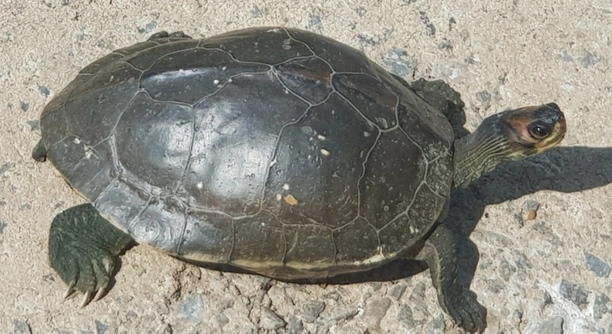
Creating a low-maintenance habitat for your Indian Roofed Tortoise ensures they have a comfortable and healthy environment with minimal upkeep. This simple guide offers tips for maintaining a thriving habitat without constant attention.
To create a low-maintenance Indian Roofed Tortoise habitat, focus on simplicity. Provide a well-ventilated enclosure, use easy-to-clean substrates, and ensure proper lighting and humidity. Regularly monitor temperature, but opt for automatic systems for convenience.
These strategies will help reduce time spent on upkeep while ensuring your tortoise’s well-being in a safe and functional space.
Choosing the Right Enclosure for Your Tortoise
When setting up a low-maintenance habitat for your Indian Roofed Tortoise, selecting the right enclosure is essential. A sturdy, well-ventilated tank or wooden enclosure works best. Make sure the size is adequate, allowing your tortoise to move freely without feeling cramped. Opt for a simple design that’s easy to clean, such as a glass or plastic tank with a secure lid.
You can also consider a larger, outdoor enclosure if you live in a suitable climate. Ensure it is escape-proof and provides shelter from rain or excessive sun. Choose a setup that reduces the need for frequent cleaning by avoiding unnecessary decorations. Instead, focus on creating a space where the tortoise can roam and burrow naturally.
The right enclosure is key to minimizing the time spent cleaning while keeping your tortoise happy. Choosing an easy-to-maintain enclosure ensures that your tortoise’s environment stays clean and comfortable. Keep the enclosure dry and free of mold, as this will promote your tortoise’s health and reduce cleaning effort.
Substrate and Bedding Options
To make maintenance easier, consider using sand, coconut husk, or reptile-safe soil as substrate. These materials are simple to manage and help maintain the necessary humidity levels for your tortoise. The substrate should be easy to clean, allowing you to spot clean daily.
You can layer the bedding to make it more comfortable and reduce the need for constant replacement. A deep bedding layer will also help retain moisture, which is essential for your tortoise’s well-being. Simply spot clean when necessary, and change out the bedding completely every few weeks to prevent odors.
By using appropriate bedding materials, you can maintain the proper conditions for your tortoise without excessive effort. Ensure it is safe and provides enough space for them to burrow, which is natural for them.
Proper Lighting and Heat Setup
Your tortoise needs a proper lighting system to ensure it stays healthy. A UVB light is essential for vitamin D synthesis, which helps your tortoise absorb calcium. Use a combination of UVB light and heat lamps to maintain a basking spot at around 90°F.
The temperature gradient in the enclosure is important, with a warm basking area and a cooler zone for your tortoise to move between. This setup mimics the natural temperature variation found in their environment. Replace the bulbs every 6-12 months to maintain effective UVB output.
For the heat source, choose a ceramic heater or a basking bulb. These options provide consistent warmth without adding humidity. Make sure to monitor the temperature regularly to avoid overheating, as high temperatures can be dangerous.
Humidity Control
Humidity is crucial in maintaining a healthy habitat for your tortoise. Too much moisture can lead to mold and bacteria growth, while too little can cause dehydration. A simple misting system or manual spraying works well to maintain consistent humidity levels.
Check humidity levels regularly using a hygrometer. The ideal range for an Indian Roofed Tortoise is around 50-60%. To make upkeep easier, choose a hygrometer with an automatic alarm to alert you when the humidity falls outside the ideal range. Adjust misting as needed.
To reduce humidity maintenance, you can use a shallow water dish for drinking and soaking, which provides a clean water source without increasing moisture in the substrate. This setup allows for better control over humidity and reduces the time spent adjusting conditions.
Feeding Schedule and Diet
Feeding your tortoise on a regular schedule will make maintenance easier. Offer a mix of leafy greens, vegetables, and occasional fruits. Keep the diet varied to provide the necessary nutrients.
Provide food at consistent times each day, and remove any uneaten food after a few hours. This helps prevent mold and bacteria growth.
A diet of leafy greens like collard greens and dandelion leaves ensures your tortoise gets the necessary fiber. Supplement with calcium and vitamin D3 as needed to support bone health. Avoid overfeeding fruits, as too much sugar can lead to digestive issues.
Watering System
Use a shallow dish of water for drinking and soaking. Change the water daily to prevent bacteria growth and ensure clean hydration.
A simple water dish makes it easy to keep the habitat clean and reduce maintenance time. Always ensure the dish is large enough for your tortoise to soak, which helps with hydration and overall well-being.
Simple Decorations and Hiding Spots
Add a few simple decorations, like rocks or logs, to provide hiding spots for your tortoise. Keep it minimal for easy cleaning.
These items help your tortoise feel secure and add interest to the enclosure without requiring much upkeep. Choose natural materials that don’t trap moisture or create cleaning challenges.
FAQ
How often should I clean my tortoise’s habitat?
Cleaning the habitat should be done at least once a week. Spot clean daily to remove uneaten food, waste, and debris. This will help keep odors down and prevent mold or bacteria buildup. If you notice a lot of soiling in the substrate, consider changing it completely every few weeks. A simple and consistent cleaning routine will keep the habitat fresh and reduce the amount of work required for maintenance.
What temperature should the habitat be?
The basking area should stay around 90°F, while the cooler side should be around 75°F. This temperature gradient allows your tortoise to regulate its body temperature by moving between warmer and cooler areas. Always check the temperature with a reliable thermometer to avoid overheating or underheating, as both can harm your tortoise.
Can I keep more than one tortoise in the same habitat?
It’s best to keep one tortoise per enclosure to avoid territorial disputes. Indian Roofed Tortoises can be aggressive toward other tortoises, especially when they feel their space is being threatened. If you do wish to house multiple tortoises, ensure the enclosure is large enough to provide adequate space for each individual.
What should I feed my Indian Roofed Tortoise?
A variety of leafy greens such as dandelion leaves, collard greens, and kale should form the basis of your tortoise’s diet. Supplement with vegetables like bell peppers, zucchini, and carrots, and offer occasional fruit, such as strawberries or melon, in small amounts. Ensure the food is fresh and free of pesticides.
Do I need to supplement my tortoise’s diet with vitamins and minerals?
Yes, it’s essential to provide calcium and vitamin D3 supplements. Calcium supports bone health, while vitamin D3 helps in the absorption of calcium. You can dust their food with a calcium powder a few times a week, depending on their diet. It’s also a good idea to offer a cuttlebone in their enclosure, which they can nibble on for extra calcium.
How do I maintain the proper humidity levels?
Humidity should be kept between 50-60%. You can maintain this by misting the enclosure daily or using a humidity control system. Keep a hygrometer in the enclosure to monitor levels. If the humidity is too low, increase misting; if it’s too high, ensure proper ventilation and reduce water usage.
What type of lighting is best for an Indian Roofed Tortoise?
Your tortoise needs a UVB light to synthesize vitamin D3 and help absorb calcium. This light should be on for 10-12 hours a day. Combine it with a heat lamp to maintain the basking area temperature at around 90°F. Replace UVB bulbs every 6-12 months to maintain proper output.
Can I use regular light bulbs for heat?
Regular light bulbs do not provide the right type of heat or UVB light. Use specialized heat lamps or ceramic heat emitters for proper warmth. Heat bulbs are specifically designed to simulate natural sunlight, providing both heat and UVB light, which are critical for your tortoise’s health.
How often should I bathe my tortoise?
It’s good practice to soak your tortoise in shallow, lukewarm water a few times a week for about 15-20 minutes. This helps with hydration and aids in digestion. Always monitor your tortoise during bath time and ensure the water level is low enough to prevent drowning.
Can I keep my tortoise outside?
If you live in a suitable climate, you can keep your tortoise outside in an enclosure. However, ensure the outdoor environment is safe from predators, extreme weather, and allows for burrowing. The enclosure should have a shaded area, as well as a warm basking spot. Always supervise your tortoise when it’s outdoors.
Do I need to worry about pests in my tortoise’s habitat?
Yes, it’s important to check for pests like mites or ants, which can affect your tortoise’s health. Regularly clean the habitat and monitor for any signs of pests. If you notice any, take action immediately by removing them or consulting a vet if necessary. Keeping the habitat clean and dry will reduce the chances of pests.
What should I do if my tortoise isn’t eating?
If your tortoise refuses to eat for more than a few days, check the temperature, humidity, and lighting in the habitat. Stress, poor conditions, or changes in routine can cause a loss of appetite. If the issue persists, consult a vet to rule out any health issues.
Final Thoughts
Creating a low-maintenance habitat for your Indian Roofed Tortoise doesn’t have to be complicated. By following simple guidelines such as maintaining the right temperature, providing proper lighting, and offering a varied diet, you can ensure that your tortoise lives a healthy and happy life without excessive effort. Regular cleaning, a balanced diet, and proper hydration are key to preventing common issues and ensuring your tortoise thrives in its environment.
It’s important to keep your tortoise’s needs in mind, such as offering space to move around and access to basking areas. Monitoring the habitat’s temperature and humidity is crucial, as both too high or too low levels can cause health problems. By making small adjustments to the habitat, such as adding hiding spots and decorations, you can also create a more enriching environment for your tortoise while keeping maintenance to a minimum.
Lastly, remember that consistency is important. Regularly check the habitat, food, and water to ensure your tortoise remains comfortable and well-fed. With just a little time and attention, you can create a low-maintenance environment that supports your tortoise’s health and happiness for years to come. Keep things simple, and your tortoise will thank you for it.

Hello,
If you enjoy the content that we create, please consider saying a "Thank You!" by leaving a tip.
Every little bit helps us continue crafting quality advice that supports the health, happiness, and well-being of pets around the world, for pets of all shapes, sizes, and species.
We really appreciate the kindness and support that you show us!