
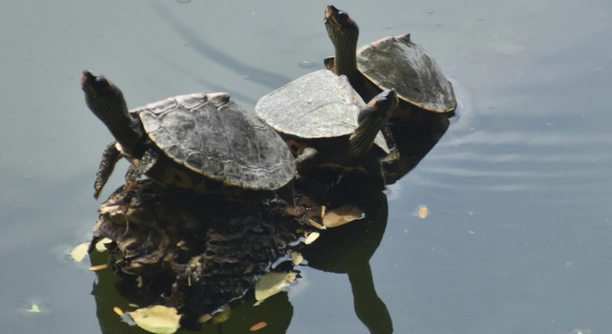
Handling an Indian Roofed Tortoise can be a stressful experience for both you and your pet. With their sensitive nature, it’s important to approach them with care to ensure a positive interaction.
To make handling less stressful, consider these strategies: approach slowly, maintain a calm environment, support their body fully, and minimize sudden movements. These methods reduce anxiety and help your tortoise feel secure, making handling more comfortable for both parties.
There are simple yet effective ways to ease handling stress for your tortoise. Understanding their behavior and creating a calm, supportive environment can ensure that both you and your pet enjoy the interaction.
1. Start Slowly and Calmly
When handling an Indian Roofed Tortoise, it’s essential to take things slow and remain calm. These tortoises are naturally shy and can get easily stressed by quick movements or loud noises. Begin by allowing your tortoise to get used to your presence. Approach them gently without sudden gestures that could startle them. Speak softly, even though they might not fully understand your words, your tone can help create a soothing atmosphere. Gradually, you can start offering your hand for them to explore. Let them come to you at their own pace, which will build trust and reduce anxiety.
Be patient with your tortoise. Rushing the process will only increase stress, making them less comfortable with being handled. If they retreat into their shell, respect that signal and give them some space. Over time, they will become more accustomed to your presence.
Understanding your tortoise’s pace is key. Every tortoise has its own comfort zone, and respecting that will go a long way in creating a peaceful bond between you and your pet.
2. Ensure a Safe Environment
Before handling your tortoise, make sure the environment is quiet and free of distractions. Avoid any sources of stress, such as loud noises or other pets. A calm environment will help your tortoise feel more secure and at ease.
A well-lit, safe space is essential for tortoise handling. Ensure there are no slippery surfaces, obstacles, or hazards that could cause harm. Holding your tortoise in a safe, familiar space will help minimize stress and allow them to feel more comfortable. Holding them on soft, non-slip surfaces like a towel can provide additional security.
If you’re new to handling your tortoise, take the time to set up a stress-free space before each interaction. This way, they associate handling with calmness and safety, which will help build positive experiences over time.
3. Support Their Body Fully
When handling an Indian Roofed Tortoise, it’s crucial to support their entire body. This provides them with a sense of security and minimizes the risk of injury. Always place one hand under their shell and gently lift them.
By fully supporting their body, you ensure that your tortoise feels secure and not vulnerable. Avoid holding them by the limbs, as it can be uncomfortable and cause stress. Tortoises have delicate bodies, and without proper support, they might feel unstable or threatened. Take care to lift them slowly and avoid any sudden jerks.
Supporting their body helps you establish trust. A tortoise that feels secure in your hands is less likely to panic or withdraw into its shell. Over time, this will make them more comfortable with being handled.
4. Keep Movements Slow and Steady
Quick movements can startle your tortoise, making it anxious. Always move slowly and deliberately. This helps them feel more in control and prevents unnecessary stress.
By maintaining slow movements, you give your tortoise time to adjust to changes in position. Abrupt actions may cause them to retreat into their shell, as they may perceive sudden movement as a threat. A steady pace reassures them that everything is safe.
It’s important to keep your pace calm, especially when transferring them from one place to another. This gives them a chance to adjust and reduces any distress. As your tortoise becomes more accustomed to your movements, the process will feel more natural.
5. Minimize Stressful Situations
Avoid handling your tortoise during stressful moments, such as when they are in the middle of eating or exploring. Handling during these times can interrupt their natural behaviors and make them more anxious.
Ensure the environment is calm and free of sudden changes when you approach them. Handling a tortoise during their resting or less active times will likely lead to a more relaxed experience. If they seem stressed, it’s best to put them down and let them return to their normal activities.
6. Be Gentle
Tortoises are not built for fast, jerky movements. Be gentle when picking them up or moving them. A gentle touch will make them feel more secure and less likely to panic.
A soft, calm approach helps avoid creating fear or discomfort for your tortoise. The more gently you handle them, the easier it will be for them to relax and adjust to your touch. Gradual handling will also help them trust you more over time.
7. Understand Their Body Language
Tortoises communicate through their body language, especially when they’re feeling threatened or stressed. Pay attention to signals such as retreating into their shell or pulling away.
By learning to read these signals, you can avoid forcing interactions that may make your tortoise uncomfortable. If they pull back or hide in their shell, it’s a clear sign that they need space. Recognizing these signs helps you respect their boundaries, making handling less stressful.
FAQ
How often should I handle my Indian Roofed Tortoise?
It’s best to handle your Indian Roofed Tortoise no more than once or twice a week. Overhandling can cause stress, as tortoises are naturally more solitary creatures. Give them time to explore their environment and rest. Keep interactions short and positive, so your tortoise doesn’t become overwhelmed.
Can I take my tortoise outside?
Yes, you can take your tortoise outside, but only when the weather is warm and safe. Ensure that the environment is free of potential hazards like predators or toxic plants. Always supervise your tortoise to keep them from wandering into unsafe areas. Avoid taking them out during extreme temperatures.
Is it normal for my tortoise to retreat into its shell when handled?
Yes, this is a normal behavior. Tortoises retreat into their shells when they feel threatened or insecure. If this happens when handling, it’s important to be patient and gentle. Allow them to calm down before trying again. Over time, they may become more comfortable with your presence.
How can I make my tortoise feel safe when being handled?
To make your tortoise feel safe, always handle them in a calm, quiet environment. Move slowly, support their body fully, and avoid sudden movements. Speak softly, and let them approach you at their own pace. A gentle, secure hold will help reduce stress and make them feel more at ease.
What if my tortoise doesn’t want to be handled?
If your tortoise shows signs of not wanting to be handled, like pulling into its shell or trying to walk away, it’s important to respect their wishes. Forcing interactions can lead to stress and mistrust. Allow them to get used to your presence gradually and handle them only when they seem ready.
How do I know if I’m handling my tortoise too much?
If your tortoise is showing signs of stress, such as hiding more frequently, becoming less active, or retreating into its shell during handling, it might be a sign you’re handling them too much. Pay attention to their behavior and allow them more time to relax. Keep handling sessions brief and infrequent.
Can my tortoise get injured if I handle it incorrectly?
Yes, improper handling can lead to injury. Always support your tortoise’s body fully, especially around the shell. Lifting them by their limbs or tail can cause strain or harm. Be gentle and careful when handling, and avoid dropping them, as their delicate shells can be easily damaged.
Should I handle my tortoise while it’s eating?
It’s best to avoid handling your tortoise during mealtime. Tortoises need their space while eating, and being disturbed can cause unnecessary stress. Allow them to eat in peace, and then interact with them afterward. This way, they’ll associate handling with calm moments rather than disruptions.
Can I pick up my tortoise by the shell?
It’s generally not recommended to pick up your tortoise solely by the shell. While their shell is sturdy, lifting them improperly can cause discomfort. Always support the body fully by placing one hand under their shell and the other supporting the bottom. This helps them feel secure and prevents stress.
What should I do if my tortoise seems stressed?
If your tortoise appears stressed, such as hiding more frequently or retreating into its shell, take a step back and give them space. Reduce handling for a while and focus on providing a calm, comfortable environment. Try observing their behavior more closely to understand what might be causing the stress.
Can I let my tortoise roam freely in the house?
Allowing your tortoise to roam freely can be a good idea, but you must ensure the area is safe. Tortoises love to explore, but they can easily get into dangerous situations. Make sure the space is secure, free from toxic plants, and there are no areas where they could get trapped or hurt.
How can I get my tortoise used to being handled?
To get your tortoise used to handling, start by spending time near them without touching. Let them see you, speak gently to them, and allow them to explore your hand. Gradually, you can try picking them up gently, but always make sure they feel secure and supported.
Why does my tortoise hide so much?
Tortoises are naturally solitary creatures and can often hide to feel safe. If your tortoise is hiding frequently, it could simply be their way of feeling secure. However, if they are hiding excessively or showing signs of illness, it might be worth checking their health and environment.
How do I keep my tortoise calm during handling?
To keep your tortoise calm, always approach slowly, speak softly, and support its body fully. Avoid sudden movements or loud noises. Create a calm, quiet environment, and handle them gently. This approach helps your tortoise stay relaxed and reduces stress during interactions.
What do I do if my tortoise bites me?
If your tortoise bites, it’s likely because they feel threatened or are trying to defend themselves. Remain calm, and carefully remove your hand. Avoid pulling away quickly, as this could cause further stress. Ensure you’re handling them gently, and consider whether they need more time to adjust to your presence.
Final Thoughts
Handling an Indian Roofed Tortoise requires patience and a gentle approach. These tortoises are naturally shy animals, and sudden movements or loud noises can cause them to feel stressed. By understanding their behavior and needs, you can create an environment where they feel safe and comfortable. It’s important to recognize when your tortoise is not in the mood for interaction. If they retreat into their shell or try to move away, it’s a clear sign they need space. Forcing them out of their shell or holding them when they don’t want to be handled can harm the bond you’re trying to build.
You should always support their body properly when lifting them, ensuring that their shell and legs are fully supported. Never lift them by their limbs or tail, as this can cause discomfort or injury. When handling, keep your movements slow and steady to avoid startling them. It’s essential to create a calm environment with no distractions or loud noises, as these can make your tortoise feel unsafe. A quiet, stable setting will help them feel more secure and less stressed during interactions. Handling should never interfere with their eating or resting time, as these are critical parts of their routine. By respecting their space and boundaries, you can develop a healthier relationship with your tortoise.
Over time, as your tortoise becomes more accustomed to your presence and handling, you will notice that they become more relaxed and trusting. Just like any pet, they need time to get used to you and their new environment. Consistency is key—gradually and gently increasing the frequency of your interactions will help them become more comfortable. Handling your Indian Roofed Tortoise can be a rewarding experience when done thoughtfully and carefully. Creating positive interactions will ensure both you and your tortoise enjoy the time spent together, free from unnecessary stress.

Hello,
If you enjoy the content that we create, please consider saying a "Thank You!" by leaving a tip.
Every little bit helps us continue crafting quality advice that supports the health, happiness, and well-being of pets around the world, for pets of all shapes, sizes, and species.
We really appreciate the kindness and support that you show us!