
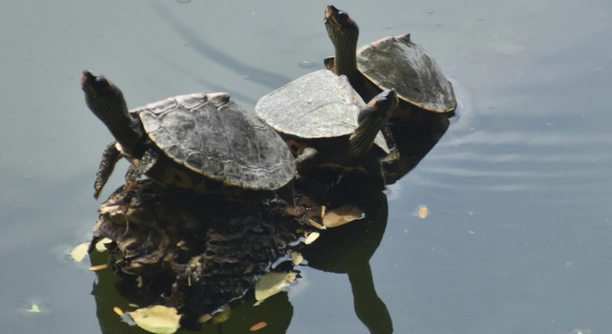
Indian Roofed Tortoises are fascinating creatures with unique behaviors, but if yours is constantly trying to flip over, you might be wondering why. This behavior can be puzzling but is often rooted in a variety of natural instincts.
The main reason your Indian Roofed Tortoise may attempt to flip over is due to its natural instinct to self-right when feeling stressed or unbalanced. This behavior may also stem from an attempt to escape or explore its environment.
Understanding why your tortoise exhibits this behavior can help ensure it is healthy and safe. In the following sections, we’ll explore some common causes and provide helpful tips for managing this.
Natural Instincts and Self-Righting Behavior
Indian Roofed Tortoises have a strong instinct to flip themselves back over if they feel imbalanced. When a tortoise is on its back, it might experience stress, which activates this reflex. This behavior is a natural part of their survival mechanisms. The tortoise’s body is designed to right itself when it’s flipped, ensuring it doesn’t stay in a vulnerable position for too long. It can take a lot of effort, but the instinct to correct their position is strong.
Some tortoises may attempt to flip over even if there’s no immediate danger, especially when exploring their environment. The stress of being in a new setting or feeling cornered can lead them to try to flip. However, this doesn’t always mean there’s an immediate threat. It’s just their way of trying to regain control.
If your tortoise is constantly flipping, it may be a sign of stress or discomfort. It’s important to monitor their environment and make sure there aren’t any obstacles causing unnecessary stress.
Habitat and Environmental Factors
A tortoise’s living space plays a huge role in its behavior. If there are things like sharp edges, uneven surfaces, or too many obstacles in the enclosure, it could lead to flipping. A space that isn’t well-suited for movement can cause frustration and unease.
An enclosure should offer a smooth, even surface where your tortoise can comfortably move. If your tortoise is attempting to flip over often, check the floor of its habitat to ensure it’s flat and clear of any items that could cause them to struggle. Make sure the bedding isn’t too deep or too slippery, as this might also contribute to an unbalanced environment.
Adding proper hideouts or a more structured environment may reduce stress and prevent unnecessary flipping. Tortoises feel safer when they have spaces to retreat to and explore freely without feeling trapped or off-balance.
Physical Health and Tortoise Behavior
If your tortoise seems to be flipping frequently, it could indicate a physical issue. Injury, weakness, or health problems can affect its ability to right itself. If it’s struggling, it might not have the strength to flip back over properly.
Sometimes, physical conditions such as metabolic bone disease or shell deformities can make flipping difficult. A weak or deformed shell may cause discomfort or make it harder for the tortoise to move. If your tortoise is older or has been ill, it might take longer to get back on its feet. This could lead to more frequent attempts to flip over, even if it’s in a safe, stable environment.
If the behavior persists or worsens, it’s crucial to consult a vet. A check-up will help rule out any health concerns and ensure your tortoise is in good physical condition. Early detection of health issues can make a big difference in managing your tortoise’s well-being.
Diet and Nutrition
A poor diet can lead to more than just nutritional deficiencies. It can also affect your tortoise’s overall strength and behavior. Lack of essential vitamins and minerals may cause the tortoise to become weaker, leading to unsteady movements and frequent flipping.
Ensure your tortoise is receiving a balanced diet, rich in calcium and fiber. A deficiency in calcium can lead to brittle shells and bones, increasing the chance of injuries or difficulties with flipping over. Overfeeding with high-fat foods can also cause obesity, which may lead to sluggishness and further problems with movement. A proper diet helps maintain a tortoise’s strength and energy levels, making it easier for them to move around.
You may also want to add supplements to their diet if needed. Consult with a vet to determine the right balance of food and supplements for your tortoise’s age, size, and health. Proper nutrition is key to keeping your tortoise in top shape and preventing unnecessary flipping.
Overcrowded Enclosures
If your tortoise’s enclosure is too crowded, it could make movement difficult and stressful. Not having enough space to roam can lead to frustration, causing your tortoise to flip in an attempt to navigate its environment.
Make sure the enclosure is large enough for your tortoise to move freely. Overcrowding can also cause territorial behavior or unnecessary conflict with other animals, increasing stress. A proper, spacious environment allows your tortoise to explore without feeling confined, helping it stay calm and balanced.
Temperature and Humidity Levels
Improper temperature or humidity levels can also affect your tortoise’s ability to move comfortably. If the environment is too hot or too cold, your tortoise may become sluggish, weak, or unbalanced, leading to more frequent flipping.
Tortoises need a consistent and appropriate temperature to maintain their activity level. Too much heat can lead to dehydration, while extreme cold can cause lethargy. Ensuring your tortoise has a proper temperature gradient within its enclosure will allow it to regulate its body temperature effectively and stay active. Maintaining correct humidity levels also promotes healthy skin and shell.
FAQ
Why does my tortoise try to flip over even when nothing is wrong?
Sometimes, tortoises may flip over out of habit or instinct. It could be part of their natural behavior to self-right when they feel unbalanced or trapped. Even in a safe environment, they may try to flip when they are exploring or when they feel stressed. It’s not always a sign of immediate danger but a way for them to regain control of their position.
Can my tortoise hurt itself from trying to flip over too often?
Yes, if your tortoise frequently tries to flip and struggles to right itself, it can cause injury. Overexertion can strain their muscles, and the flipping attempts could lead to stress fractures, shell damage, or internal injuries. It’s important to monitor them closely and ensure they can safely get back on their feet.
Is it possible to prevent my tortoise from flipping over?
You can reduce the likelihood of flipping by creating a safe, spacious environment. Make sure the floor of the enclosure is smooth and free from obstacles that could cause instability. Keep the habitat’s temperature and humidity levels within an ideal range, and ensure the tortoise has plenty of space to move without feeling cramped. Regularly check for any physical issues or weaknesses that could cause imbalance.
Can the enclosure itself cause my tortoise to flip over?
Yes, the design and condition of the enclosure can contribute to flipping. Sharp edges, uneven surfaces, or high walls can make it hard for your tortoise to maintain balance. The enclosure should have smooth, flat flooring, and the walls should not be too high or narrow. A cluttered or overly complex space can increase the chances of your tortoise feeling stressed, which might lead to attempts at flipping.
What should I do if my tortoise flips over and can’t get up?
If your tortoise flips over and can’t right itself, gently flip it back onto its feet. Make sure the environment is safe, and check if there’s anything in the enclosure that might be causing the struggle. If the flipping happens repeatedly, it’s important to examine your tortoise for any health problems. If unsure, consult a vet for advice.
Can stress make my tortoise try to flip over?
Stress is one of the most common causes of flipping behavior. Tortoises may become stressed due to changes in their environment, unfamiliar people, loud noises, or overcrowding. A stressed tortoise may try to flip to escape or regain control over its situation. Ensuring your tortoise feels secure in its habitat, with ample hiding spots and consistent care, can help reduce stress levels.
How often should I check my tortoise for health problems related to flipping?
You should regularly check your tortoise for any signs of physical issues. If flipping happens frequently, inspect its shell, legs, and overall posture for signs of weakness or deformity. Look for changes in movement or behavior, such as difficulty standing or walking. If you notice any abnormalities, seek a veterinarian’s advice.
What type of diet can help prevent my tortoise from flipping?
A well-balanced diet is essential for your tortoise’s overall health and can help prevent flipping due to weakness or imbalance. Ensure your tortoise has a diet rich in calcium, fiber, and essential vitamins. A lack of calcium, for example, can lead to weakened bones and shells, making it harder for the tortoise to support itself and move correctly. Offer a variety of leafy greens, vegetables, and appropriate supplements to keep your tortoise strong and active.
How do I know if my tortoise is trying to flip due to a physical issue?
If your tortoise is frequently attempting to flip and struggling, it could be due to a physical issue. Look for signs like weakness, trouble walking, or difficulty moving its limbs. Inspect the shell for cracks, deformities, or softness, which could indicate health problems like metabolic bone disease. If you notice anything unusual, it’s best to take your tortoise to the vet for a thorough check-up.
Can age affect my tortoise’s ability to right itself?
Yes, as tortoises age, they may experience a decline in strength and mobility. Older tortoises may struggle more with self-righting, especially if they have health issues like arthritis or a weakened shell. It’s important to make adjustments to their living conditions, such as reducing obstacles and ensuring the habitat is easy to navigate, to help them maintain balance and reduce stress.
Is there a specific breed of tortoise more prone to flipping over?
All tortoises are susceptible to flipping behavior, but some species may be more prone due to differences in size, shape, or physical health. For example, tortoises with more rounded or dome-shaped shells might find it easier to flip over. Larger species may also face difficulties with mobility as they age, which could lead to more flipping attempts. Nonetheless, every tortoise is unique, and individual health factors play a significant role in this behavior.
Should I be worried if my tortoise only tries to flip occasionally?
Occasional flipping is usually not a cause for concern, especially if it happens during exploration or when the tortoise is trying to reach something. However, if the flipping becomes more frequent or if your tortoise seems stressed or injured afterward, it may be a sign that something isn’t quite right. Observe your tortoise for any changes in behavior, and ensure its environment is safe and supportive.
Final Thoughts
Seeing your Indian Roofed Tortoise trying to flip over can be concerning, but it’s usually not a cause for panic. This behavior is often a natural instinct, as tortoises have an innate drive to right themselves when they feel unbalanced or stressed. In most cases, this behavior happens when they feel threatened, disoriented, or are simply exploring their surroundings. However, if your tortoise is trying to flip over frequently, it could indicate stress, discomfort, or physical issues that need closer attention. The key to resolving this is ensuring the environment is safe, balanced, and comfortable for your tortoise.
Regularly check your tortoise’s living space to ensure there are no obstacles, uneven surfaces, or anything else that could cause imbalance. Tortoises need plenty of space to roam, and overcrowded enclosures can increase stress levels. Pay close attention to the temperature, humidity, and general conditions inside the habitat. Maintaining the right climate is crucial for your tortoise’s well-being. If any of these factors are off, it could lead to behavior changes, including attempts to flip over. A proper diet is equally important, as nutritional imbalances can affect the tortoise’s strength and ability to move properly. A well-balanced diet with enough calcium and fiber helps your tortoise stay strong and active.
If you notice that your tortoise is having trouble flipping back on its own or seems to be struggling more than usual, it’s essential to look for possible physical issues. Weakness, injury, or shell deformities can all contribute to an inability to right itself. In such cases, a visit to the vet is advised to rule out any underlying health problems. A vet can also guide you on maintaining the right conditions for your tortoise’s long-term health. Addressing issues early on will help ensure that your tortoise leads a happy, healthy life and doesn’t experience unnecessary stress or discomfort.

Hello,
If you enjoy the content that we create, please consider saying a "Thank You!" by leaving a tip.
Every little bit helps us continue crafting quality advice that supports the health, happiness, and well-being of pets around the world, for pets of all shapes, sizes, and species.
We really appreciate the kindness and support that you show us!