
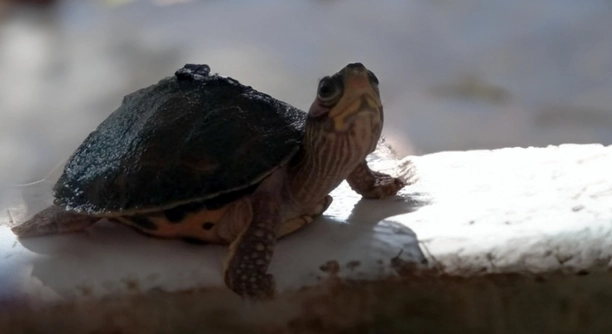
When caring for an Indian Roofed Tortoise, keeping their environment just right is essential for their health. One important factor to monitor is how cold it gets for them at night. Understanding their needs is key.
The ideal temperature for an Indian Roofed Tortoise should be maintained between 75-85°F at night. If temperatures fall too low, it can affect their health, causing stress, slowed metabolism, or even hypothermia, which can be fatal.
Knowing how to regulate the temperature will help keep your tortoise comfortable and safe. This article will guide you in identifying signs of discomfort and how to make necessary adjustments.
How Cold Affects Your Indian Roofed Tortoise
When temperatures drop too low, your Indian Roofed Tortoise can experience discomfort or even harm. These tortoises are naturally adapted to warmer climates, so sudden cold spells at night can slow their metabolism and make it difficult for them to digest food. Prolonged exposure to cold can lead to health problems, including a weakened immune system, respiratory issues, or even death if not addressed promptly. It’s crucial to monitor nighttime temperatures and ensure they stay within a safe range.
Keeping a thermometer in your tortoise’s enclosure can help you track temperature changes. You’ll want the enclosure to stay at a consistent temperature between 75°F and 85°F, especially at night. If the area drops below this range, you may need to adjust the environment with heat lamps, ceramic heaters, or even a heated pad to ensure warmth during the cooler hours.
It’s not just about the temperature but also how sudden fluctuations can affect their overall health. For instance, an Indian Roofed Tortoise might become lethargic or show no interest in food if it’s too cold. These behaviors are signs that the animal is struggling to maintain its body temperature, which can lead to stress or sickness over time. Avoid using heating lamps that produce direct heat, as they can cause uneven temperatures, which may create stress on your pet’s body.
How to Create the Right Environment
To create a comfortable and safe environment for your tortoise, consider both the daytime and nighttime temperature needs.
During the day, it’s essential for the enclosure to be slightly warmer, ideally between 85°F to 90°F. This helps your tortoise remain active, digest food properly, and enjoy a healthy lifestyle. At night, aim to lower the temperature but keep it within the recommended range. If your enclosure is in a room that tends to get too cold, using heat sources like under-tank heaters or heat mats will help regulate the nighttime temperature.
However, be cautious about placing the heat sources directly under the tank, as this can create uneven heating. The best option is to keep them along the side of the tank or above it. This will help evenly distribute heat and create a warm spot for your tortoise to retreat to. You also want to make sure that the tank has plenty of space to move around in. Crowded spaces can make it harder for your tortoise to maintain proper temperature regulation.
Recognizing the Signs of Cold Stress
When your Indian Roofed Tortoise gets too cold, it may start showing signs of distress. One clear indicator is lethargy or a lack of appetite. If your tortoise is normally active and suddenly seems weak or unresponsive, this could be a result of the temperature dropping too low.
In addition to sluggishness, you may notice that your tortoise hides more than usual or becomes more reclusive. Cold temperatures cause stress, which leads to these behaviors. A tortoise that’s too cold might also struggle to maintain its usual posture, curling up tightly in an attempt to conserve body heat. If this happens, it’s important to check the temperature immediately.
Another sign of cold stress is rapid breathing or a noticeable wheezing sound, which can be a symptom of respiratory problems caused by cold stress. If your tortoise is showing any of these signs, adjusting the temperature immediately can prevent further health issues. Pay close attention, as early detection is key to ensuring your tortoise stays healthy.
Adjusting the Environment for Comfort
Once you notice signs of cold stress, it’s important to adjust the temperature to avoid further harm. If your tortoise’s enclosure is too cold, increase the warmth slowly by adding a heat source. Be sure not to use a heat lamp that could create hot spots, which can cause further stress. Instead, opt for ceramic heaters or under-tank heaters that provide consistent warmth without excessive direct heat.
You can also try using a thermostat to monitor and maintain a steady temperature throughout the night. A thermometer placed inside the tank will help you track any fluctuations that might affect your tortoise’s comfort. Another option is to add a cover or blanket over the tank to prevent the surrounding environment from lowering the temperature too much.
By adjusting the environment, you’ll help your tortoise regain its energy and prevent any long-term health complications. While temperature control is vital, it’s also important to check for any signs of illness or infection that could result from prolonged exposure to cold.
Monitoring Your Tortoise’s Health
It’s essential to monitor your Indian Roofed Tortoise closely after adjusting the temperature. Watch for changes in their behavior, such as increased activity or improved appetite, as these are signs that they’re warming up. If you notice further lethargy, there could be other issues at play.
Regularly checking the temperature can help prevent future issues. Keeping track of the tortoise’s health with simple observations like eating patterns and movement will also help. If your tortoise remains unresponsive even after temperature adjustments, consult a veterinarian to rule out any underlying conditions caused by the cold stress.
Preventing Future Cold Stress
To avoid future cold stress, it’s important to set up the environment properly from the start. Ensure the enclosure has adequate insulation to keep the temperature stable during the night.
Consider investing in a reliable thermostat and heater combination to maintain the correct temperature range consistently. Avoid placing the enclosure near windows or areas where drafts can easily lower the temperature. A more stable environment will prevent temperature drops and keep your tortoise comfortable year-round.
FAQ
How can I tell if my tortoise is too cold at night?
The easiest way to tell if your Indian Roofed Tortoise is too cold is by observing its behavior. If your tortoise is unusually lethargic, not eating, or hiding more than usual, it may be too cold. Cold stress can also cause slow or shallow breathing, which should be monitored closely. Additionally, if the temperature in the enclosure feels cooler than 75°F, it’s time to adjust the heat source to ensure your tortoise stays warm.
What temperature is too cold for an Indian Roofed Tortoise?
Indian Roofed Tortoises thrive in temperatures between 75°F and 85°F, both during the day and night. Temperatures below 75°F can cause stress and even lead to serious health issues, such as slowed digestion and weakened immunity. Anything lower than 70°F can be dangerous and should be corrected immediately to prevent hypothermia.
Can I use a heat lamp for my tortoise at night?
It’s best to avoid using heat lamps for your tortoise at night. Heat lamps tend to create uneven temperature zones, which can cause additional stress. Instead, use ceramic heaters, heat mats, or under-tank heaters, which provide consistent warmth without producing direct light. These options can create a comfortable and stable environment for your tortoise during the night.
How can I maintain a stable temperature in my tortoise’s enclosure?
Maintaining a stable temperature involves using the right heat sources and monitoring them closely. Invest in a good quality thermostat that can regulate the temperature automatically. You can also use heat pads or ceramic heaters to help create an even heat distribution. Insulating the enclosure and placing it in a room that doesn’t experience significant temperature fluctuations is another effective way to maintain a stable environment.
Should I put my tortoise under a heat source if it feels cold?
If your tortoise seems cold, it’s essential to add heat, but do it gradually. Place a heat source, such as a heat mat or ceramic heater, near the tortoise’s favorite spot to help it warm up comfortably. Never place the heat source directly under the tank or in a way that could create uneven temperature spots, as this could stress your tortoise further.
How do I know if my tortoise is suffering from hypothermia?
Signs of hypothermia in a tortoise include lethargy, difficulty moving, shallow breathing, and a lack of interest in food. If you notice these signs, immediately increase the temperature of the enclosure and monitor your tortoise closely. In severe cases, seek immediate veterinary attention, as hypothermia can be fatal.
Can my tortoise survive the cold weather outside?
While Indian Roofed Tortoises are used to warm climates, they may not survive extreme cold weather. If you live in an area where temperatures drop below 70°F, it’s best to keep your tortoise indoors. If your tortoise must go outside, ensure it has access to a heated shelter where it can stay warm and avoid the cold.
How long can my tortoise handle cold temperatures before it becomes dangerous?
Exposure to temperatures below 75°F for prolonged periods can begin to affect your tortoise’s health. After just a few hours of being too cold, your tortoise can experience lowered metabolism and digestive problems. Extended exposure (more than a few hours) increases the risk of more serious issues, such as respiratory infections or hypothermia. It’s best to regulate the temperature as soon as you notice any signs of cold stress.
Can I use a blanket or towel to keep my tortoise warm?
While a blanket or towel can provide temporary warmth, it’s not a long-term solution. It’s better to focus on proper temperature regulation within the enclosure. If you use a towel or blanket, ensure it doesn’t block airflow or cause overheating. Always use appropriate heat sources designed for reptiles to create a more consistent environment.
Is it safe to bring my tortoise outside during the daytime?
Yes, as long as the temperature outside is warm enough, you can bring your tortoise outside during the day. Ensure that the temperature is between 80°F and 85°F, as any cooler weather can cause stress. Make sure to supervise your tortoise at all times, and provide shade and access to a warm, sheltered area where it can retreat if the temperature drops or the sun becomes too intense.
Final Thoughts
Taking care of an Indian Roofed Tortoise involves a lot of attention to its environment, especially when it comes to temperature. These tortoises are native to warmer climates, which means keeping their enclosure at the right temperature is vital to their well-being. If the temperature drops too low at night, it can cause stress and lead to health problems. Therefore, monitoring the temperature closely, particularly at night, is one of the most important tasks in providing proper care for your tortoise. By maintaining a steady temperature between 75°F and 85°F, you can help ensure that your tortoise stays active, healthy, and comfortable.
In addition to temperature regulation, it’s also crucial to recognize the signs that your tortoise might be too cold. Cold stress can show itself through behaviors like lethargy, loss of appetite, or hiding. If your tortoise is struggling to stay warm, you may notice slower movements or shallow breathing. These are clear signals that the temperature in its environment is too low and needs to be adjusted immediately. Quick responses to these behaviors can prevent further complications, such as respiratory issues or even hypothermia, which can be fatal to your tortoise.
Creating a warm, stable environment for your Indian Roofed Tortoise doesn’t have to be complicated. With the right tools, such as reliable heat sources, thermostats, and thermometers, you can easily maintain the proper temperature range. It’s also important to remember that consistency is key. Temperature fluctuations can cause stress, so try to keep your tortoise’s environment as stable as possible. By staying vigilant and making small adjustments as needed, you can provide your tortoise with a safe, comfortable home where it can thrive.

Hello,
If you enjoy the content that we create, please consider saying a "Thank You!" by leaving a tip.
Every little bit helps us continue crafting quality advice that supports the health, happiness, and well-being of pets around the world, for pets of all shapes, sizes, and species.
We really appreciate the kindness and support that you show us!