
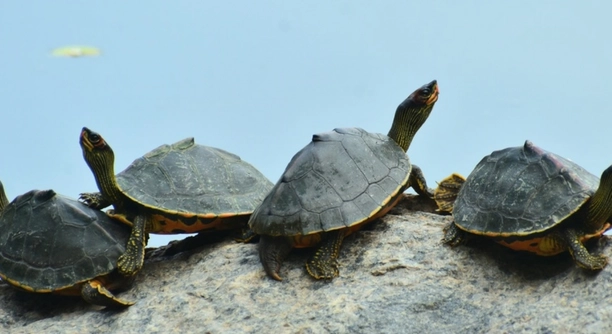
Indian Roofed Tortoises are fascinating creatures with unique behaviors that often go unnoticed. Understanding their behavior can help ensure their well-being and enrich the experience of keeping them as pets or observing them in the wild.
Indian Roofed Tortoises are known for their calm demeanor and strong territorial instincts. They are often seen basking in the sun or slowly foraging for food. These tortoises communicate through subtle body movements and will become more active during the rainy season.
These behaviors reveal much about their natural habits and how they thrive in different environments. Understanding these characteristics can help ensure a healthy and happy life for your Indian Roofed Tortoise.
1. Their Unique Eating Habits
Indian Roofed Tortoises are herbivores, often grazing on grasses, fruits, and leaves in the wild. They have a slow but steady way of eating. This behavior helps them avoid predators while feeding in open areas. In captivity, they should be provided with a varied diet of vegetables and fruits. They tend to nibble on the food slowly, savoring each bite. This feeding style is crucial to their digestion, as it helps them process their food better over time. Tortoises have strong jaws that help them break down tough plants. It is important to avoid feeding them processed foods or anything too rich in protein.
These slow-eating habits are vital for their health.
Being mindful of their diet helps them avoid digestive problems, which can become serious if they are overfed or fed the wrong kinds of food. These creatures thrive on a balanced and natural diet, ensuring their well-being in both the wild and as pets.
2. Sunbathing Rituals
Indian Roofed Tortoises are known for their love of basking in the sun.
This behavior is essential for their metabolism, as they rely on sunlight to regulate their body temperature. In the wild, they can often be spotted basking on rocks or in open areas during warm weather. Tortoises need the sun’s warmth to digest their food and stay active.
For tortoises kept as pets, providing a heat source that mimics natural sunlight is key to their health. Without enough warmth, they may become sluggish, and their digestion can be affected. To ensure they are getting enough sunlight, setting up a proper basking area in their enclosure is vital. It will help them maintain the right body temperature for optimal health.
3. Their Territorial Nature
Indian Roofed Tortoises are highly territorial and can become protective of their space.
They establish territories based on their needs for food, shelter, and basking spots. When in close proximity to other tortoises, they may show defensive behaviors like hissing or shell-butting. This is their way of setting boundaries and ensuring their safety. In captivity, they may act similarly, especially if they are housed with other tortoises. Providing separate areas for each individual can help reduce aggression and stress. It’s essential to respect their space to avoid conflicts that can lead to injury.
Territorial behavior is often linked to their survival instincts.
In the wild, defending a territory ensures access to resources like food and mates. This behavior also helps them avoid other predators. While it’s not harmful in itself, it’s important to understand the cause behind it, especially in captivity. Ensuring that tortoises have adequate space and resources can help maintain peace and reduce stress. Proper care involves creating a comfortable, space-rich environment for them.
4. How They Handle Stress
Indian Roofed Tortoises can experience stress when their environment isn’t right.
Factors such as overcrowding, improper temperature, or lack of food can lead to anxiety. Signs of stress in tortoises include reduced activity, lack of appetite, or hiding. If stressed for too long, they can become vulnerable to illness. When caring for these tortoises, it’s important to address stressors quickly. A suitable habitat with proper lighting, temperature, and space can minimize these triggers.
Ensuring they have the right environment helps them thrive.
Stress in tortoises can lead to other health problems, such as weakened immune systems or digestive issues. A well-maintained enclosure with enough hiding places, water, and room to roam will reduce anxiety. It’s also important to provide a consistent feeding schedule, so they feel secure in their environment. Being mindful of their needs is key to reducing stress and keeping them healthy.
5. Their Activity Patterns
Indian Roofed Tortoises are generally more active during the warmer months.
These tortoises tend to become less active in cooler weather, often retreating into their shells or hiding. In the wild, their activity is closely linked to the availability of food and environmental conditions. In captivity, it’s important to maintain a temperature range that encourages natural behavior. Keeping them active ensures they stay healthy and fit.
Temperature plays a significant role in regulating their behavior.
When kept in an environment that mimics natural weather patterns, Indian Roofed Tortoises remain active and mobile. Too cold of an environment can cause them to slow down, affecting their digestion and overall health. Providing a temperature gradient in their habitat allows them to regulate their activity levels more naturally.
6. Mating Rituals
Indian Roofed Tortoises have specific mating behaviors.
Mating typically occurs in the monsoon season, which aligns with their active period. Male tortoises are known to display courtship behaviors, such as chasing females and attempting to mount them. During this time, they may become more aggressive or competitive, especially in the presence of other males. In captivity, if there are multiple tortoises, it’s important to observe their behavior to prevent fights or injury.
Understanding these mating rituals helps ensure proper care.
In captive environments, monitoring their mating behaviors is key to avoiding unnecessary stress or aggression. Providing enough space and hiding spots allows males and females to interact safely, reducing the chances of territorial disputes. It’s important to manage the environment carefully to allow these behaviors without causing harm.
7. The Importance of Hydration
Indian Roofed Tortoises need plenty of water to stay healthy.
They will often drink from shallow water sources, soaking to maintain proper hydration. Dehydration can quickly lead to health issues, such as kidney problems or difficulty shedding. Offering fresh water daily is essential for keeping them hydrated and preventing potential health risks.
FAQ
What is the best habitat for an Indian Roofed Tortoise?
Indian Roofed Tortoises thrive in a habitat that provides both warmth and space. The enclosure should have a temperature gradient, allowing them to choose a cooler or warmer area based on their needs. The warm side should be around 85-90°F, and the cooler side should be 75-80°F. They also need access to natural sunlight or a UVB light to help with calcium absorption. Providing hiding spots and a substrate like coconut fiber or soil allows them to dig and feel secure. Make sure there is a shallow water dish for them to soak in, as this helps with hydration and shedding.
How much should I feed my Indian Roofed Tortoise?
These tortoises require a balanced diet of leafy greens, vegetables, and some fruits. They should be fed daily, with the amount varying based on their size and age. Adult tortoises can typically eat about 1-2 cups of food each day. Young tortoises may need slightly smaller portions, and their diet should be higher in leafy greens. Avoid overfeeding fruits, as the high sugar content can upset their digestion. It’s essential to offer fresh food and remove uneaten portions daily to prevent spoilage. A well-rounded diet with calcium supplements helps maintain their shell health.
How do I handle an Indian Roofed Tortoise?
Handling should be done with care to avoid stressing the tortoise. They are not typically fond of being picked up, so it’s best to handle them only when necessary. Support their entire body with both hands, holding them gently but firmly. Avoid grabbing their limbs or shells. If you need to move them, do so slowly and avoid sudden movements to reduce stress. If you are introducing them to new environments, let them explore on their own. Most tortoises enjoy a calm, quiet environment and should not be handled excessively.
Can Indian Roofed Tortoises live with other animals?
Indian Roofed Tortoises can sometimes live with other reptiles, but caution is needed. They may become territorial and aggressive, especially during the mating season. Keeping them with other tortoises in the same enclosure can lead to fighting if there isn’t enough space. Avoid placing them with animals that could pose a threat, such as larger reptiles or predatory animals. If you wish to house them with other species, research the compatibility of those animals and ensure the environment is large enough for all to coexist peacefully.
What is the lifespan of an Indian Roofed Tortoise?
Indian Roofed Tortoises have a relatively long lifespan, typically living between 40 to 60 years in captivity, and sometimes longer with proper care. Their longevity depends on maintaining a suitable habitat, a balanced diet, and regular health monitoring. In the wild, their life expectancy can vary depending on factors like predators and environmental conditions. To ensure a long life for a captive tortoise, it is important to provide consistent care and attention to their needs.
Do Indian Roofed Tortoises need to hibernate?
Unlike some species of tortoises, Indian Roofed Tortoises do not require hibernation. They are more active during the monsoon season but remain active throughout the year. However, if their habitat becomes too cold during winter, they may slow down or go into a mild state of dormancy. In captivity, it is important to maintain a stable temperature year-round to avoid any issues related to temperature fluctuations. Keeping them warm and active during cooler months helps to prevent any health complications.
How do I know if my Indian Roofed Tortoise is sick?
Signs of illness in Indian Roofed Tortoises include loss of appetite, lethargy, abnormal behavior, swollen eyes, or changes in the shell’s appearance. If they stop eating for a prolonged period or seem overly lethargic, it could be a sign of stress, dehydration, or illness. Discharge from the nose or eyes, difficulty walking, or trouble closing the shell can indicate respiratory or shell-related problems. If you notice any of these symptoms, it’s important to seek advice from a veterinarian experienced with reptiles to address the issue promptly.
What should I do if my Indian Roofed Tortoise isn’t eating?
If your tortoise refuses to eat, it could be due to stress, incorrect temperature, or an illness. Check the temperature of their enclosure and make sure it’s within the proper range. Stress can be caused by changes in their environment or overcrowding. Try offering a variety of fresh foods to stimulate their appetite, but avoid overfeeding them with fruits, as this may discourage them from eating the greens they need. If they continue to refuse food for several days, consult a vet to rule out any underlying health problems.
Can Indian Roofed Tortoises swim?
Indian Roofed Tortoises are not strong swimmers. While they may enjoy soaking in shallow water, they are not built for swimming long distances like aquatic turtles. In the wild, they might wade through shallow streams or ponds, but they prefer to stay on land. It’s important to provide them with a shallow water dish in captivity, where they can soak and drink, but avoid deep water areas where they might struggle to get out.
How often should I clean my Indian Roofed Tortoise’s habitat?
Cleaning the habitat of an Indian Roofed Tortoise is essential for maintaining their health. The enclosure should be spot-cleaned daily, removing uneaten food and waste. A deeper cleaning should be done once a week to disinfect the substrate and water dishes. Ensure the enclosure stays dry and free from mold or bacteria, as a dirty environment can lead to respiratory infections or shell problems. Regular cleaning also helps prevent parasites and ensures the tortoise has a comfortable, healthy living space.
Final Thoughts
Caring for an Indian Roofed Tortoise requires attention to their unique needs and behaviors. From providing the right temperature and lighting to offering a balanced diet, these tortoises thrive when their environment is well-maintained. Their calm nature makes them a joy to observe, but it’s important to understand their territorial instincts and the need for space. Regular care, such as cleaning their habitat and monitoring their health, helps ensure they live a long, healthy life.
These tortoises can be great pets, but like any animal, they require proper attention to detail. Hydration, food choices, and temperature control are just the beginning of the list of things to consider. They need ample space to roam and bask, especially in captivity. By meeting their needs, you create an environment where they can thrive. Remember, it’s also essential to monitor their behavior for signs of stress or illness, as these can quickly lead to health problems if left unaddressed.
Understanding their natural instincts and behaviors can also improve the bond you share with your tortoise. Whether you are keeping them as pets or observing them in the wild, having a solid understanding of what they require will lead to a better quality of life for both the tortoise and the caregiver. This awareness ensures that they stay active, happy, and healthy for many years. The Indian Roofed Tortoise may be low-maintenance in many ways, but they still require care and a suitable habitat to reach their full potential.

Hello,
If you enjoy the content that we create, please consider saying a "Thank You!" by leaving a tip.
Every little bit helps us continue crafting quality advice that supports the health, happiness, and well-being of pets around the world, for pets of all shapes, sizes, and species.
We really appreciate the kindness and support that you show us!