
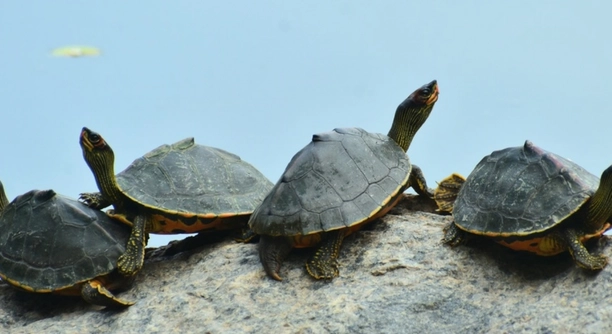
Shedding skin is a normal part of a tortoise’s life cycle. If your Indian Roofed Tortoise is shedding its skin, you may be wondering if it’s something to be concerned about.
Indian Roofed Tortoises shed their skin naturally as they grow. This shedding process, also called ecdysis, helps the tortoise remove old skin cells and make way for new ones. It’s a regular part of their life cycle.
Understanding the reasons behind your tortoise’s shedding will help ensure it stays healthy. We’ll explain the factors that affect skin shedding and what you can do to support your tortoise during this process.
Why Do Indian Roofed Tortoises Shed Their Skin?
Indian Roofed Tortoises shed their skin as part of their natural growth process. This process, known as ecdysis, allows them to get rid of old, worn-out skin and make room for new, healthy skin. It is an essential function that helps them maintain their overall well-being. As they grow, their skin doesn’t stretch to accommodate their increasing size, so shedding allows them to stay comfortable and continue developing. Shedding can happen in small patches or in larger sections, depending on the tortoise. It is important to understand that shedding is not a cause for concern unless it is accompanied by other signs of illness.
Skin shedding may also be influenced by environmental factors. If your tortoise is not receiving the proper humidity or temperature levels, this can affect how its skin sheds. A dry environment, for example, can cause shedding to occur in irregular patches, while a comfortable, well-maintained habitat will support smoother skin renewal. If the shedding seems excessive or unusual, it’s worth examining the living conditions and making adjustments where needed.
A healthy tortoise that is shedding properly will show no other signs of distress. If your tortoise is shedding its skin regularly without any noticeable issues, there is likely no cause for concern. However, if you notice other symptoms such as loss of appetite, lethargy, or discoloration of the skin, it could indicate an underlying health problem. In this case, consulting with a veterinarian who specializes in reptiles is a good step to take. Monitoring their habitat and ensuring it stays within the ideal temperature and humidity range is also essential to promoting healthy skin.
Factors That Affect Skin Shedding in Indian Roofed Tortoises
Shedding can be impacted by various environmental and physiological factors. These include temperature, humidity, diet, and overall health. If any of these factors are not optimal, it can affect how your tortoise sheds its skin.
The ideal temperature for an Indian Roofed Tortoise’s habitat ranges from 80°F to 85°F during the day and can drop to 70°F at night. Humidity levels should stay between 50% and 70%. Maintaining these conditions helps promote healthy shedding. When temperatures are too high or too low, or when humidity is too low, your tortoise might have trouble shedding properly. It’s also important to provide a varied diet that includes leafy greens, vegetables, and fruits to support the tortoise’s skin and overall health. Any imbalances in nutrition can lead to issues with shedding, and a poor diet can also affect the appearance and texture of their skin.
How to Ensure Healthy Shedding
To support healthy shedding, make sure your tortoise’s environment is well-maintained. Proper temperature, humidity, and diet all play a role in this process. Regular checks on these factors can make a big difference.
A comfortable temperature range is essential for healthy skin. Make sure the enclosure has both a warm side and a cooler side to allow your tortoise to regulate its body temperature. Humidity is another important factor. If the air is too dry, it can cause the skin to shed unevenly, leading to discomfort. Maintaining humidity levels between 50% and 70% will help keep the skin soft and flexible, making shedding easier for your tortoise. Providing a shallow water dish for soaking can also assist with hydration, which supports skin health.
Nutrition is key to proper skin health as well. A balanced diet, including leafy greens, high-fiber vegetables, and small amounts of fruit, helps provide the necessary nutrients for your tortoise to shed effectively. If your tortoise isn’t getting the right nutrition, it can affect skin quality and lead to poor shedding. Vitamin A is particularly important, as it helps with skin regeneration. Ensure your tortoise’s food contains enough of this vitamin to support proper skin renewal.
When to Be Concerned About Shedding
Excessive or irregular shedding can be a sign of health problems. If you notice shedding that seems abnormal or happens too frequently, it may require attention. Look out for other symptoms.
Signs that may indicate a problem include shedding in patches, persistent skin that isn’t coming off, or the appearance of sores or wounds under the skin. If your tortoise appears lethargic, refuses food, or shows signs of irritation during shedding, these could be indicators that something is wrong. These symptoms often point to an underlying health issue, such as an infection or vitamin deficiency. Additionally, dehydration can cause dry, flaky skin that’s difficult to shed. If any of these signs occur, it’s important to adjust the habitat and diet immediately and consult with a veterinarian to rule out any serious concerns.
Common Health Issues Related to Shedding
Some health issues may interfere with the shedding process. These can include fungal infections, parasites, or dehydration. Regular observation of your tortoise can help you spot these problems early.
If shedding is irregular, it could be caused by an infection or an internal issue like parasites. In these cases, the skin may become too thick or hard to shed properly. Additionally, dehydration can cause the skin to dry out, making it difficult to shed naturally. These issues can be avoided with good care and regular vet check-ups.
How to Help a Tortoise Shed Properly
To help your tortoise shed properly, create a supportive environment with the right humidity and temperature. Keep their habitat clean and dry, and offer plenty of fresh water. A healthy diet will also support smooth shedding.
When the environment is right, shedding will happen naturally. Regular soaking in shallow water can also help loosen dead skin and make the process easier for your tortoise. Providing a gentle scrub with a soft brush can be helpful too, especially if any skin is stuck or peeling slowly.
The Role of Humidity in Skin Health
Humidity plays a vital role in maintaining your tortoise’s skin health. When the air is too dry, it can cause the skin to become flaky or crack. This can disrupt the shedding process.
Keeping the humidity levels steady between 50% and 70% will ensure that your tortoise’s skin remains supple and hydrated. If humidity is too low, it might cause discomfort during shedding and make it harder for the skin to come off naturally. Adding a humidity gauge in the enclosure can help you monitor levels.
FAQ
Why is my Indian Roofed Tortoise shedding more than usual?
If your tortoise is shedding more than usual, it could be due to a few factors. It may be growing and naturally shedding more skin as it matures. However, frequent shedding could also indicate stress or environmental issues, such as improper temperature or humidity. Keep an eye on its behavior and make sure its habitat conditions are optimal. If the shedding is excessive or seems irregular, it’s a good idea to check for signs of illness or dehydration.
Is it normal for my tortoise to shed in patches?
Yes, it is normal for Indian Roofed Tortoises to shed in patches. This process typically happens as new skin grows and the old skin comes off in pieces. The patches may vary in size depending on your tortoise’s growth and the conditions in its environment. However, if shedding in patches is accompanied by sores, irritation, or signs of infection, it’s important to consult a vet to rule out any health problems.
What can I do to help my tortoise shed its skin?
To support your tortoise during its shedding process, make sure its enclosure is kept at the right temperature and humidity. Providing a shallow water dish for soaking can help hydrate your tortoise and make the shedding process easier. You can also gently rub off the loose skin with a soft brush, but avoid pulling off any skin that’s not ready to come off.
How do I know if my tortoise’s shedding is a sign of illness?
If your tortoise is shedding excessively or unevenly, or if you notice other signs like lethargy, loss of appetite, or skin that looks irritated or infected, it may be a sign of illness. Dehydration, infections, or a poor diet can all affect the shedding process. Always monitor its behavior and look for other symptoms of distress. If in doubt, it’s best to take your tortoise to a vet for a check-up.
Can dehydration cause problems with shedding?
Yes, dehydration can affect how well your tortoise sheds its skin. If the air in your tortoise’s habitat is too dry, or if it’s not drinking enough water, it can cause its skin to become dry and difficult to shed. This can lead to patches of dead skin remaining stuck to its body. Make sure your tortoise has access to fresh water and that the humidity levels in its enclosure are properly maintained.
Does temperature affect shedding?
Yes, temperature plays a crucial role in the shedding process. If the temperature is too high or too low, it can cause stress, which may interfere with the shedding process. The ideal temperature for an Indian Roofed Tortoise ranges between 80°F and 85°F during the day, with a drop to around 70°F at night. Maintaining a comfortable temperature ensures that your tortoise remains healthy and can shed its skin properly.
How often do Indian Roofed Tortoises shed their skin?
Indian Roofed Tortoises don’t have a set schedule for shedding. Instead, they shed as needed, which is usually in stages as they grow. Typically, they shed in small patches, but the process can be more noticeable during certain growth periods. Some tortoises may shed every few weeks, while others may go several months without shedding. Pay attention to their environment and make sure it’s conducive to a healthy shedding process.
Can diet affect the shedding process?
Yes, the diet of your tortoise can significantly impact the quality of its shedding. A diet rich in vitamins and minerals, particularly vitamin A, is essential for skin health. Leafy greens, vegetables, and small amounts of fruit provide the necessary nutrients for proper skin renewal. A poor diet can lead to dry, flaky skin and may cause shedding to be more difficult or irregular. Ensure your tortoise gets a balanced diet to promote healthy shedding.
Should I help my tortoise shed its skin manually?
You should only help your tortoise shed its skin manually if the shedding appears to be slow or if the skin is stuck in certain areas. Gently using a soft brush or cloth to rub the skin off can aid the process, but it’s important not to pull off skin that is still attached. If you’re unsure whether to intervene, it’s best to let your tortoise shed on its own unless the skin is causing it distress or seems infected.
How can I create the best environment for shedding?
To create an environment that supports healthy shedding, focus on maintaining the right temperature and humidity. Keep the temperature between 80°F and 85°F, with a cooler side for your tortoise to retreat to when needed. Humidity should be kept between 50% and 70%. Regular soaking in water can help with hydration, and providing a clean, safe space will reduce the risk of skin infections. A proper diet, including fiber-rich foods, will also contribute to the overall health of your tortoise’s skin.
Final Thoughts
Shedding skin is a natural process for Indian Roofed Tortoises. It’s important to remember that this behavior is not usually a cause for concern. As your tortoise grows, it sheds its old skin to make room for new, healthier skin. This is essential for its overall well-being. While shedding might look unusual at times, it’s simply a sign that your tortoise is growing and maintaining its skin. By keeping an eye on the process and ensuring your tortoise is in a comfortable environment, you can help it shed its skin properly and safely.
Creating the right environment for your tortoise is crucial in supporting healthy skin shedding. Temperature and humidity play a big role in how well your tortoise sheds. If the conditions are too dry or too cold, it may cause discomfort or interfere with the shedding process. It’s also important to offer your tortoise a balanced diet, rich in the nutrients it needs to maintain healthy skin. Regularly checking the water supply and providing opportunities for your tortoise to soak can further promote hydration and make shedding easier. Keeping the enclosure clean and ensuring proper lighting also helps your tortoise stay healthy overall.
However, while shedding is a normal part of life for a tortoise, it’s essential to pay attention to any changes or signs of illness. If the shedding process becomes excessive, patchy, or accompanied by other symptoms such as lethargy or loss of appetite, it could be a sign of a health problem. In such cases, it’s best to consult with a veterinarian who specializes in reptiles. With the right care, attention, and understanding, your Indian Roofed Tortoise can go through its shedding process smoothly, remaining healthy and happy.

Hello,
If you enjoy the content that we create, please consider saying a "Thank You!" by leaving a tip.
Every little bit helps us continue crafting quality advice that supports the health, happiness, and well-being of pets around the world, for pets of all shapes, sizes, and species.
We really appreciate the kindness and support that you show us!