
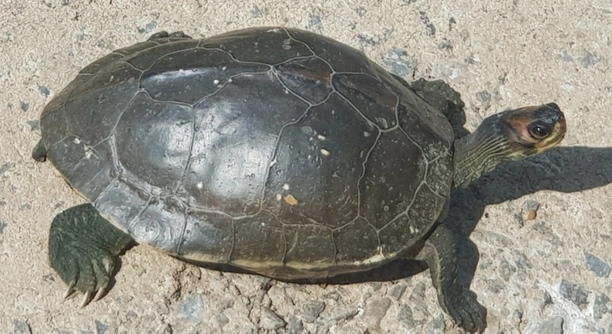
Training an Indian Roofed Tortoise to respond to you requires patience and consistency. These fascinating reptiles can be both independent and curious, making them an interesting pet to interact with.
Start by offering consistent positive reinforcement. Tortoises respond well to food rewards, so using treats like leafy greens or fruits can encourage a connection. Over time, your tortoise will learn to associate you with these positive experiences.
Building a bond with your tortoise takes time, but understanding their behavior can lead to rewarding interactions.
Understanding Your Tortoise’s Behavior
When training your Indian Roofed Tortoise, it’s essential to understand their natural behaviors. These tortoises are generally slow-moving and cautious, often preferring to stay in familiar surroundings. They may be shy or reluctant to interact at first, but with patience, you can teach them to respond to your presence. Start by spending time near them daily. Over time, they will become accustomed to you and the environment. It is important not to force interaction, as this can lead to stress. Instead, allow them to approach you when they feel comfortable, creating a positive association with your presence. Their responsiveness can be increased by maintaining a consistent routine, which helps reduce anxiety and encourages interaction.
They may need time to adapt to new experiences, so don’t be discouraged if they seem distant at first. Positive reinforcement, like offering food or allowing them to explore new spaces at their own pace, helps foster trust.
A calm and patient approach to handling and training will lead to a stronger bond and more consistent responses from your tortoise.
Building Positive Associations
Tortoises respond to routine and consistency. Offering food rewards during training sessions will help them associate you with something positive. You can try using treats like leafy greens, carrots, or fruits. Over time, this practice will encourage your tortoise to look forward to your presence and build trust.
Incorporating playtime or exploration into your routine will help your tortoise engage more with you. You can create safe spaces within your home or yard for them to roam. If you start small, such as letting them explore a corner of the room, they will gradually become more confident around you. Be patient and avoid overwhelming them with too many changes at once. Allowing your tortoise to have space and time to adjust will ultimately result in a more responsive and trusting companion. Remember, each tortoise has its own pace, and some may take longer than others to build a bond.
Consistency is Key
Being consistent is crucial when training your tortoise. Daily interactions, even if brief, help build trust over time. Stick to a routine where you offer food, let them roam, and spend time near them. This steady approach will allow your tortoise to learn to expect positive experiences with you, which can strengthen the bond. Always approach them calmly and avoid sudden movements, as they can startle easily.
Using the same method every day will also help reinforce learning. If you offer a treat every time they come near you or follow a command, they will begin to understand the connection. Keeping the environment familiar and stress-free allows your tortoise to feel safe and secure while learning. As your tortoise becomes more comfortable, they will start recognizing you as a source of positive experiences. This familiarity will lead to more responsive behavior over time.
Patience is needed when working with a tortoise, but steady progress is key to their responsiveness.
The Role of Food in Training
Food can be a powerful motivator when training your Indian Roofed Tortoise. They naturally associate food with positive reinforcement, which can help you establish a connection. Use their favorite treats to encourage them to come closer, respond to your calls, or interact with you. Start by offering small pieces of leafy greens, fruits, or vegetables that they enjoy.
It is important to avoid overfeeding them with treats, as this can lead to unhealthy habits. Keep the portions small and offer treats only when they respond as you want them to. By limiting treats, you make them more valuable in training sessions. Additionally, using food as an incentive reinforces the idea that your presence leads to positive outcomes. As your tortoise becomes more comfortable with you, they will start approaching on their own, associating your presence with the expectation of a tasty reward.
Through patience and careful use of food as a motivator, your tortoise will gradually become more responsive.
Creating a Safe and Comfortable Environment
A secure and comfortable environment is essential for your tortoise to feel at ease. Make sure the habitat is quiet, clean, and free of distractions. Provide a space that mimics their natural surroundings, with appropriate lighting and temperature. This will help them relax and become more comfortable with you.
Consistency in their habitat is also important. Avoid making frequent changes to their living space, as this can cause stress. Keep their enclosure clean and ensure they have enough space to roam freely. A familiar, safe environment encourages confidence, making it easier to bond with your tortoise.
Patience in Training
Training your tortoise requires time and patience. They may not respond immediately, but that doesn’t mean progress isn’t being made. Allow them to learn at their own pace. Over time, they will begin to recognize you as a source of positive experiences.
Keep in mind that each tortoise has its own personality. Some may take longer to adjust, while others may respond faster. Avoid rushing the process. Consistent, patient training will lead to long-term success and a stronger connection with your tortoise.
Using Positive Reinforcement
Positive reinforcement is key in encouraging desired behaviors. Reward your tortoise with treats or praise when they respond correctly to your cues. This reinforces the behavior you want to see and helps them associate following commands with something positive. Keep the rewards small but frequent.
Ensure that the reinforcement is immediate, so they can link the reward with the behavior. This helps them understand what is expected. Over time, your tortoise will start responding more reliably. Keep training sessions short to avoid overwhelming them.
FAQ
How long does it take for a tortoise to recognize its owner?
The time it takes for a tortoise to recognize its owner can vary. It may take a few weeks to a few months for your tortoise to begin associating you with positive experiences. Consistent interactions, such as offering treats or spending time near them, will help them become familiar with you. Be patient and avoid forcing interactions, as this can slow down the process. Over time, your tortoise will begin recognizing you and may even come toward you when you approach their enclosure.
Can I train my tortoise to follow commands?
Yes, it is possible to train your tortoise to follow commands, though it will require patience and consistency. Start with simple cues, such as calling their name or tapping the floor to signal they should come closer. Using food rewards is helpful in reinforcing these behaviors. Keep training sessions short and positive, and don’t expect immediate results. With time, your tortoise may learn to recognize certain commands and respond to them.
What should I do if my tortoise is not responding to training?
If your tortoise is not responding to training, don’t panic. It could be due to a variety of factors, such as stress, illness, or an unfamiliar environment. Check that their habitat is comfortable, safe, and consistent. Ensure the temperature and humidity are ideal, and provide a quiet, calm space for them. If your tortoise is healthy and their environment is appropriate, give them more time. Some tortoises take longer to bond and respond to training than others. If the issue persists, consult a vet to rule out health problems.
How do I build trust with my tortoise?
Building trust with your tortoise requires patience, consistency, and positive reinforcement. Spend time near them every day without forcing physical contact. Offer food rewards when they approach you or exhibit desired behaviors. Let them explore at their own pace, and avoid sudden movements that might startle them. Creating a safe and predictable environment will help your tortoise feel more secure and willing to engage with you. Over time, trust will develop, and your tortoise may become more interactive.
Can I take my tortoise out of its enclosure to train it?
Yes, you can take your tortoise out of its enclosure to train it, but it is important to ensure that the environment is safe for them. Use a secure, enclosed space where they can roam without any hazards. You can train them in a safe room, yard, or other space where they won’t escape. Make sure the temperature and humidity are consistent with their needs. Avoid moving them to an unfamiliar environment unless they are fully comfortable and accustomed to being handled.
How often should I train my tortoise?
Training should be done regularly, but in short, consistent sessions. Aim for 5 to 10-minute sessions a few times a week. This helps prevent overstimulation and allows your tortoise to learn without feeling overwhelmed. Make sure the training is spread out to keep it enjoyable and engaging. Repetition will help reinforce positive behaviors, and regular interactions will help build a strong bond. Keep in mind that tortoises have a slower learning pace than other pets, so don’t rush the process.
Is it okay to use treats every time during training?
Using treats is a highly effective way to train your tortoise, but it’s important to use them in moderation. If you give them treats too often, they may begin to expect food each time they interact with you. To prevent this, try varying the frequency of rewards, so they don’t become dependent on treats for every interaction. Instead, sometimes offer praise or simply spend time with them without rewarding them each time. This will help maintain a healthy balance between reward and natural interaction.
What are some good treats for training my tortoise?
Good treats for training your tortoise include leafy greens, fruits like strawberries or melons, and vegetables like carrots or cucumbers. Always ensure the treats are safe for them and avoid giving too many high-sugar or high-fat foods. It’s also important to remember that variety is key. Regularly change up the treats to keep things interesting and rewarding for your tortoise. Keep in mind that treats should be given in moderation, as overfeeding can lead to health issues like obesity.
How do I know if my tortoise is stressed during training?
Signs of stress in tortoises can include retreating into their shell, excessive pacing, or trying to escape their enclosure. If your tortoise exhibits these behaviors, it’s important to stop the training session and give them some time to relax. Stress can be caused by unfamiliar surroundings, loud noises, or too much handling. Ensure that their environment is quiet and calming during training sessions. Pay attention to their body language, and always respect their boundaries to avoid overwhelming them.
Should I let my tortoise roam freely outside?
Allowing your tortoise to roam outside can be a great way for them to explore, but it must be done in a safe, secure area. Tortoises are slow-moving and can easily escape if the enclosure isn’t secure. Always supervise your tortoise while outside to ensure they don’t wander off or come into contact with dangerous plants, chemicals, or predators. Make sure the outdoor environment is suitable for them, with enough space to roam and appropriate temperature and humidity levels.
How can I tell if my tortoise is healthy?
A healthy tortoise should be active, alert, and eating regularly. Their shell should be smooth, without cracks or soft spots. Check their eyes and nose for any discharge, which could indicate illness. Regularly monitor their weight to ensure they are not gaining or losing too much. If your tortoise seems lethargic, refuses food, or shows signs of respiratory issues, it is best to consult a vet. Regular check-ups will help keep your tortoise in good health and prevent potential issues.
Can my tortoise learn to recognize their name?
Yes, tortoises can learn to recognize their name or other sounds if consistently associated with positive reinforcement. When you say their name, follow it up with a treat or other positive action. Over time, your tortoise will begin to associate the sound of their name with something good. While it may take time, regular repetition will help them learn to respond to the sound, just as they would to other cues like food or their environment.
Final Thoughts
Training an Indian Roofed Tortoise to respond to you is a gradual process that requires patience and consistency. Like any pet, tortoises have their own pace when it comes to learning and forming bonds. While they may not be as quick to respond as some other animals, with the right approach, they can begin to recognize their owners and even follow simple commands. The key is to ensure their environment is stable and comfortable, so they can feel safe while being trained. By maintaining a calm and positive approach, you will start to see progress in your tortoise’s behavior over time.
The use of treats and repetition is essential for reinforcing desired actions, but it’s important to avoid over-relying on food rewards. While treats are a great tool, offering praise and spending time with your tortoise can also go a long way in building trust and encouraging good behavior. Tortoises are naturally independent, so it might take a little longer to get their attention, but with time, they will begin to associate you with positive experiences. Taking things slow and keeping training sessions short will help avoid overwhelming your tortoise, which could set back the process.
Remember, every tortoise is different. Some may respond quickly to training, while others might take more time to adjust to the routine. It’s crucial to remain patient and respectful of your tortoise’s boundaries. If your tortoise is not responding as expected, it could be a sign that something in their environment needs adjusting or that they require more time. By understanding your tortoise’s needs and responding with care, you can build a strong, trusting relationship with them. The training process may be slow, but the rewards of a bonded and responsive tortoise are well worth the effort.

Hello,
If you enjoy the content that we create, please consider saying a "Thank You!" by leaving a tip.
Every little bit helps us continue crafting quality advice that supports the health, happiness, and well-being of pets around the world, for pets of all shapes, sizes, and species.
We really appreciate the kindness and support that you show us!