
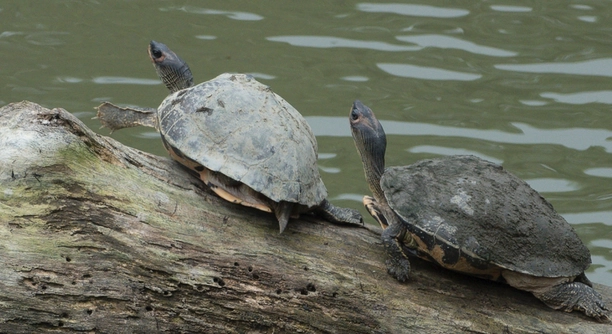
Keeping an Indian Roofed Tortoise’s tank clean is essential for its health and well-being. Regular maintenance can ensure a comfortable environment for your tortoise to thrive. These simple tips will help you maintain a clean and safe habitat.
Maintaining a clean tank for an Indian Roofed Tortoise requires routine tasks such as removing waste, changing the water, and cleaning the enclosure regularly. Proper filtration, appropriate substrates, and the correct temperature also play a significant role in tank cleanliness.
Consistent cleaning practices will enhance the overall health and comfort of your tortoise’s habitat. These tips will guide you in maintaining a healthier, more comfortable environment for your pet.
Clean the Tank Regularly
Cleaning your tortoise’s tank regularly is crucial for keeping the habitat free from harmful bacteria and debris. Remove waste such as uneaten food, feces, and shed skin every day. This will help prevent the build-up of harmful elements that could lead to infections. Using a shallow, gentle scoop or a small net will make the task easier without disturbing the tortoise.
Once a week, perform a more thorough cleaning. This involves wiping down the sides of the tank, cleaning any decorations, and replacing the substrate if necessary. You may also want to rinse the water bowl and wash it with a mild soap solution before refilling. This will ensure that the tank remains clean and safe for your pet.
A consistent cleaning schedule will prevent any unpleasant smells and maintain a hygienic environment. The cleaner the habitat, the healthier your tortoise will be. Keep in mind that too much moisture or a dirty environment can contribute to fungal or bacterial growth, which can harm your tortoise’s health.
Filter the Water Properly
Water quality is just as important as the cleanliness of the tank. A good filtration system will ensure that the water remains clean and free of bacteria. Change the water regularly to prevent the build-up of waste, especially if your tortoise is known to soak in it. Consider investing in a filter designed for reptile tanks, as these help remove excess waste and debris from the water.
A high-quality filter will make a big difference. It helps to reduce the frequency of water changes, saving you time and effort while keeping the environment clean. It’s essential to check the water regularly for cleanliness and replace it when needed.
Use Proper Substrate
Choosing the right substrate for your tortoise’s tank is essential for cleanliness. Avoid sand or gravel, as they can easily become contaminated. Opt for absorbent materials like coconut fiber, soil, or mulch, which are easier to clean and maintain. These substrates help with waste absorption and prevent odors.
You’ll need to change the substrate regularly to ensure a clean environment. If you use coconut fiber or mulch, it’s a good idea to remove soiled areas every few days. Replace the entire substrate every few weeks to keep the tank fresh and hygienic. This will reduce the chances of bacterial growth.
A clean substrate is essential for preventing diseases and ensuring your tortoise stays healthy. It also provides a comfortable space for them to move around, as the right substrate mimics the natural environment. Make sure to clean up any excess food and waste immediately to maintain a safe, hygienic habitat.
Manage Humidity Levels
Maintaining proper humidity is key to your tortoise’s overall health. If the tank is too dry, your tortoise may suffer from dehydration or skin shedding problems. On the other hand, excess humidity can lead to mold growth. Use a hygrometer to monitor the humidity levels consistently.
To regulate humidity, mist the tank with water a couple of times a week. Be cautious not to make the substrate too damp, as this can encourage unwanted mold and bacteria. If needed, use a humidity box or a shallow water dish to help maintain moisture without over-wetting the tank.
By carefully monitoring humidity, you can ensure your tortoise stays comfortable and healthy. Proper humidity levels will also help in controlling unwanted organisms in the tank. Keeping it in balance will reduce cleaning time and contribute to a thriving environment.
Clean Decorations and Accessories
Tank decorations and accessories should be cleaned regularly to avoid the accumulation of waste and bacteria. Items like rocks, hides, and branches can trap debris. Wash them with warm water and a mild, reptile-safe cleaner to remove dirt and grime. Clean them thoroughly to prevent any health risks.
Frequent cleaning of these items helps maintain a hygienic tank. If left unchecked, accessories can harbor harmful bacteria that can affect your tortoise’s health. It’s important to check decorations for mold, mildew, or any signs of decay. Regular maintenance will help create a safe and pleasant environment.
Provide Proper Lighting
Tortoises need the right balance of lighting for both warmth and UVB exposure. Without proper lighting, their immune system and shell health may suffer. Use UVB bulbs that emit the necessary wavelengths and ensure they are positioned correctly to reach your tortoise. Always replace them as recommended.
UVB lighting plays a crucial role in aiding calcium absorption, which is vital for a tortoise’s shell and bone health. Without proper UVB exposure, your tortoise may develop shell deformities or other serious health issues. Place the light in a way that mimics natural sunlight for maximum benefits. Make sure to use a timer for consistent lighting hours to regulate the tank’s day and night cycle.
FAQ
How often should I clean my tortoise’s tank?
Cleaning your tortoise’s tank should be done daily. Remove any waste such as food scraps, feces, or shed skin each day to maintain a healthy environment. A more thorough cleaning should take place once a week, where you wipe down the walls, clean the accessories, and replace the substrate if needed.
Can I use sand as substrate for my Indian Roofed Tortoise?
It’s not recommended to use sand as substrate for your Indian Roofed Tortoise. Sand can be difficult to clean, and it often becomes a breeding ground for bacteria. Instead, opt for materials like coconut fiber, soil, or reptile-safe mulch, which are easier to manage and cleaner for your tortoise.
What type of water should I use for my tortoise’s tank?
Use clean, chlorine-free water for your tortoise’s tank. Tap water may contain chemicals that could harm your tortoise. If you must use tap water, let it sit for 24 hours to allow the chlorine to evaporate. You can also use filtered water to ensure it’s free from harmful substances.
How can I keep my tortoise’s tank at the right temperature?
Maintaining the right temperature is crucial for your tortoise’s well-being. Use a combination of heat lamps or ceramic heaters to provide warmth during the day, with a basking spot around 85°F-90°F. The rest of the tank should be cooler, around 75°F-80°F. A thermometer is essential to monitor the temperature regularly.
Is it necessary to provide a humidifier for my tortoise’s tank?
While a humidifier is not strictly necessary, it can help regulate the humidity in your tortoise’s tank, especially if you live in a dry climate. Maintain humidity levels between 50%-60%. A hygrometer will help you monitor it, and occasional misting can be useful for keeping the environment comfortable.
How can I prevent mold from growing in my tortoise’s tank?
Mold can grow when the humidity levels are too high or the tank is too damp. To prevent mold, maintain a balanced humidity level, not too high. Ensure the tank is well-ventilated, and remove any wet or soiled materials promptly. Regularly clean decorations and replace the substrate to prevent any mold buildup.
Can I use a UVB bulb for both heating and lighting?
No, UVB bulbs are designed specifically for providing necessary UV radiation for your tortoise’s health and do not produce enough heat to serve as a primary heat source. You will need a separate heat lamp to maintain the proper temperature in the tank. A combination of both ensures your tortoise gets the right light and warmth.
How do I know if my tortoise is sick?
Signs of illness in a tortoise can include lethargy, loss of appetite, abnormal behavior, swollen eyes, or abnormal shell growth. If you notice any of these symptoms, it’s essential to consult with a reptile veterinarian immediately. A healthy tortoise is active, alert, and eats regularly.
Can I put my tortoise in the tank with other reptiles?
It’s generally not recommended to house your Indian Roofed Tortoise with other species of reptiles. Different reptiles have different environmental needs, such as temperature and humidity preferences. Additionally, they may become stressed or aggressive towards each other. It’s best to keep them in separate tanks to avoid conflicts and ensure each species’ needs are met.
What should I do if my tortoise isn’t eating?
If your tortoise isn’t eating, it could be due to several factors, such as stress, improper temperature, or illness. First, check the tank’s temperature and humidity levels to ensure they are within the proper range. If everything seems fine, consult a vet to rule out any health issues. Make sure to offer a variety of fresh, safe foods that appeal to your tortoise.
Final Thoughts
Keeping an Indian Roofed Tortoise in a clean and comfortable environment is essential for their health and well-being. By focusing on key areas such as substrate, lighting, humidity, and regular cleaning, you can create a safe habitat that promotes a long, healthy life for your tortoise. Regular maintenance is crucial, but it doesn’t have to be difficult. With a consistent cleaning routine and a few simple adjustments, you can ensure that your tortoise’s tank remains free from harmful bacteria and mold, keeping it both clean and functional.
It’s also important to keep in mind that tortoises are sensitive to their environment. Their needs, such as proper UVB lighting, heat, and humidity, should be consistently monitored and adjusted as necessary. By paying close attention to these details, you’ll help prevent common health issues like dehydration, shell problems, and infections. Using a reliable thermometer and hygrometer in the tank will help you maintain the right conditions. This makes it easier to spot any problems before they become too serious. Keeping the tank at the right temperature and humidity level can make a significant difference in the tortoise’s overall health.
Remember, the key to a healthy tortoise is not just keeping the tank clean, but creating a space that mimics their natural habitat. Regularly cleaning decorations, providing the right substrate, and managing the tank’s environment ensures that your tortoise has a comfortable place to live. While it might take a bit of time to get everything right, the results are worth it. A well-maintained tank leads to a happier, healthier tortoise and reduces the likelihood of unnecessary vet visits. Taking the time to properly care for your tortoise will pay off in the long run, providing both you and your pet with a positive experience.

Hello,
If you enjoy the content that we create, please consider saying a "Thank You!" by leaving a tip.
Every little bit helps us continue crafting quality advice that supports the health, happiness, and well-being of pets around the world, for pets of all shapes, sizes, and species.
We really appreciate the kindness and support that you show us!