
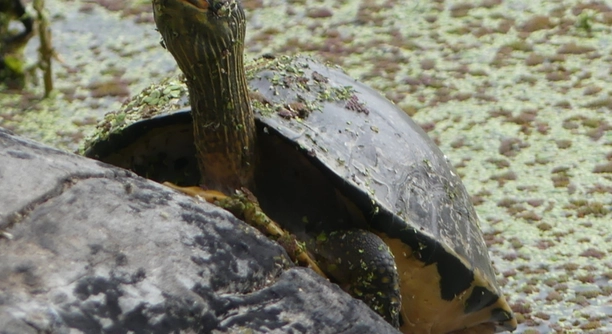
Indian Roofed Tortoises are fascinating creatures, and when they start trying to climb out of their enclosure, it can be puzzling for pet owners. Understanding their behavior can help ensure their well-being.
The main reason your Indian Roofed Tortoise keeps trying to climb out is due to environmental stressors, such as insufficient space, inadequate hiding spots, or improper temperature. These factors make them restless and lead them to seek escape routes.
By understanding these causes, you can take steps to create a more comfortable environment for your tortoise. This article will help you address these behaviors and create a more suitable habitat for your pet.
Why Tortoises Climb Out: Common Causes
Indian Roofed Tortoises are naturally curious, but their constant climbing behavior often stems from a variety of factors. It is important to first consider the size of their enclosure. If it’s too small, they will instinctively try to find an exit. Additionally, tortoises need a proper balance of warmth, light, and humidity. If they feel that their environment isn’t suitable or they’re uncomfortable, climbing becomes a way to seek relief. A lack of hiding spots or enrichment can also cause restlessness, as they may try to find a more secure or interesting area to explore. Inadequate diet and hydration could also play a role in their climbing behavior, as they may feel stressed or unsettled. By paying attention to these elements, you can make sure your tortoise has everything it needs to stay happy and content in its home.
These behaviors are often tied to stress factors, such as poor living conditions. If your tortoise is climbing, it could be an indication that something in its habitat needs improvement.
Pay attention to factors like enclosure size, temperature, and enrichment to prevent climbing. Making small changes can lead to noticeable improvements in their behavior.
How to Make Your Tortoise Feel More Comfortable
To make your Indian Roofed Tortoise feel more comfortable, start with the basics. Ensure that its enclosure is spacious enough for them to move freely. If they’re cramped, they’ll likely try to escape. The ideal size should allow for a few hiding spots, space for basking, and room to roam. Proper lighting is also crucial; a UVB bulb will mimic the sun’s rays and promote healthy bone growth. The temperature should be between 80-85°F during the day and a bit cooler at night. If the area is too cold or hot, your tortoise may become stressed and start climbing.
Additionally, enriching your tortoise’s habitat with plants, logs, or tunnels can make it feel more secure. Tortoises enjoy exploring, and having something to climb on or hide under will keep them occupied and less focused on escaping. Offering a variety of foods, like leafy greens, will also help provide mental stimulation and encourage healthy behavior. These simple changes can work wonders for reducing climbing behavior and creating a stress-free environment for your tortoise.
Enclosure Size Matters
If your Indian Roofed Tortoise feels confined, it may attempt to climb out. A larger enclosure will provide ample space to roam and reduce escape attempts. A small or overcrowded tank increases stress, leading to climbing behavior.
Ensure the enclosure is at least 4 times the size of your tortoise’s body length. This gives your pet room to move and explore, reducing stress and frustration. A larger space also allows you to create areas for hiding and basking. Providing more space doesn’t just help with climbing but also keeps your tortoise healthier by allowing natural behaviors like foraging and stretching.
A spacious enclosure provides more options for your tortoise to stay active and engaged. Use rocks, logs, and plants to create different areas, giving your tortoise a variety of places to explore. The more enrichment, the less likely your tortoise will feel the need to climb.
Proper Temperature and Lighting
Tortoises need a specific range of temperatures to stay healthy. If the enclosure is too cold or too hot, your tortoise will be uncomfortable and may start climbing to escape the unfavorable conditions.
Provide a heat source to keep one area of the enclosure between 85-90°F during the day. At night, temperatures should drop to around 75°F. Use a UVB bulb to simulate sunlight, which is essential for calcium absorption and shell health. Without proper lighting, your tortoise may become weak and restless. Without the right warmth and light, climbing out becomes a desperate attempt to find a better spot. This is especially important for the growth and well-being of younger tortoises.
Maintaining a steady temperature gradient allows your tortoise to choose a spot where it feels most comfortable. This reduces stress and prevents unnecessary climbing. Be sure to monitor temperature levels regularly, adjusting the heat source as needed to keep your tortoise’s environment ideal for its needs.
Lack of Hiding Spots
Without a safe space to retreat, your tortoise may feel exposed and anxious. This can lead to climbing as it searches for a secure, private area. Providing hiding spots helps your tortoise feel secure.
Add caves, tunnels, or plants to the enclosure to give your tortoise a place to hide. This reduces stress and gives it a sense of safety. Hiding spots are especially important during shedding or when your tortoise needs rest. A well-hidden tortoise is a content tortoise, less likely to try escaping.
Stress from Overhandling
Indian Roofed Tortoises can become stressed if handled too often or roughly. Overhandling can cause anxiety, leading to more climbing attempts as they try to escape the stress.
Tortoises need time to acclimate to their environment without constant disturbance. If you’re handling your tortoise frequently, consider limiting interactions and letting it explore at its own pace. When a tortoise feels secure in its space, it is less likely to show stress behaviors, like climbing out. Reducing stress can improve your tortoise’s overall health and happiness.
Incorrect Diet
Feeding your tortoise the wrong foods can contribute to discomfort, which might lead to climbing behavior. An improper diet can affect digestion and cause stress.
Ensure your tortoise’s diet consists mainly of leafy greens, grasses, and occasional fruits. Avoid high-protein or sugary foods that can upset their stomach and lead to behavior changes. An optimal diet helps with overall well-being and reduces stressors that may trigger climbing.
FAQ
Why is my Indian Roofed Tortoise constantly climbing?
Climbing is often a sign of stress or discomfort in tortoises. It may be due to a small enclosure, inappropriate temperature, or lack of hiding spots. Tortoises need space to roam, warm areas to bask, and secure places to hide when they feel threatened. Ensuring that their habitat is comfortable and meets their natural needs can help reduce climbing behavior. It’s important to observe whether other environmental factors, like improper diet or overhandling, could also be contributing to their restlessness.
How can I stop my tortoise from climbing out?
To stop climbing, focus on creating a more comfortable environment. Increase the size of the enclosure if necessary. Make sure it has areas for hiding, basking, and exploring. Adjust the temperature to ensure your tortoise has a suitable place to regulate its body heat. Adding enrichment, such as logs or plants, can keep your tortoise engaged and prevent boredom, which is another common cause of climbing.
Is it normal for my tortoise to climb the walls of its enclosure?
Yes, it’s quite common for tortoises to climb or try to climb the walls of their enclosure. This behavior is often linked to curiosity or an attempt to escape from an uncomfortable environment. If the enclosure is too small, lacks adequate heat or lighting, or doesn’t offer proper hiding spaces, your tortoise may feel the need to escape. Increasing the size of the enclosure and providing the right conditions can help minimize this behavior.
Can I use a smaller enclosure for my tortoise?
While a smaller enclosure might seem convenient, it is not ideal for the well-being of your tortoise. A cramped space can lead to stress and frustration, causing your tortoise to exhibit climbing behavior. It is best to provide a larger enclosure, allowing the tortoise room to explore, bask, and retreat to a quiet space. A larger enclosure will help mimic the natural environment of the tortoise, leading to a healthier and happier pet.
How often should I handle my Indian Roofed Tortoise?
Handling should be limited to avoid stress. Tortoises, especially if they are new to their environment, may become anxious from frequent handling. It’s best to let them acclimate to their enclosure for a few days before interacting with them. When you do handle them, keep it calm and gentle. Excessive handling can cause anxiety and contribute to climbing behavior, as your tortoise may seek an escape from the stress.
Does the temperature of the enclosure affect my tortoise’s climbing behavior?
Yes, temperature plays a significant role in your tortoise’s comfort. If the enclosure is too hot or too cold, your tortoise may attempt to climb out in search of a more suitable spot. Ensure the temperature is between 85-90°F during the day, with a cooler area of around 75°F at night. A proper heat source, such as a heat lamp, will help regulate this. Always check the temperature to ensure your tortoise is not trying to escape because it’s too hot or cold for comfort.
How much space does my Indian Roofed Tortoise need?
Indian Roofed Tortoises require a spacious environment to thrive. A general rule is that the enclosure should be at least four times the length of your tortoise. This gives them enough room to move around, explore, and exhibit natural behaviors. It’s important to consider not just the length, but also the height of the enclosure. Tortoises may try to climb vertically if they feel restricted, so a taller, well-secured enclosure may be necessary.
What is the best diet for my tortoise?
A balanced diet of leafy greens, such as dandelion greens, collard greens, and mustard greens, is essential for your tortoise’s health. You can also provide grasses and some fruits, like strawberries or melons, in moderation. Avoid high-protein foods like meat, as this can lead to kidney problems. Offering a variety of vegetables and leafy greens will provide the nutrients needed for a healthy tortoise and reduce the chances of stress-related behaviors, including climbing.
Can overhandling my tortoise make it want to escape?
Yes, overhandling can stress your tortoise, making it more likely to try and escape. Tortoises are naturally more independent and do not need constant attention. Handling should be limited to short, gentle sessions. If your tortoise seems stressed after being handled, give it time to settle in its habitat and avoid disturbing it frequently. Reducing handling time and allowing your tortoise to rest can help decrease its anxiety and the urge to climb.
How can I tell if my tortoise is stressed?
Signs of stress in tortoises include excessive climbing, hiding, loss of appetite, or being unusually withdrawn. A stressed tortoise might also become more aggressive or show signs of illness, like a swollen or runny nose. It’s crucial to assess your tortoise’s environment if these signs appear. Ensure the enclosure is the right size, temperature, and humidity, and check the diet to make sure it’s balanced. Stress from environmental factors can cause behavioral issues, including climbing, so making the environment comfortable is key.
Final Thoughts
Understanding why your Indian Roofed Tortoise keeps trying to climb out is key to improving its living conditions and well-being. Climbing is often a sign that something is wrong with the environment, whether it’s stress from a small enclosure, poor temperature control, or a lack of hiding spots. By addressing these factors, you can reduce climbing behavior and make your tortoise feel more comfortable. Making sure your tortoise has enough space to roam, proper lighting, and a secure area to retreat to will help create a stress-free habitat that encourages healthy behaviors.
Another important aspect to consider is diet. If your tortoise isn’t getting the right food, it may feel unwell or stressed, which can lead to climbing. Providing a balanced diet with plenty of leafy greens and the right amount of water is essential for your tortoise’s health. Avoid overfeeding or giving inappropriate foods, as this can cause digestive issues or other health problems. A healthy tortoise is a more relaxed one, and will likely be less inclined to try escaping its enclosure.
Lastly, remember that tortoises need time to acclimate and adjust to their surroundings. If you’ve recently brought your tortoise home, give it some time to settle in before handling it frequently. Stress from overhandling can also trigger climbing behavior. By being patient and creating an environment that meets your tortoise’s needs, you’ll be able to address this climbing behavior and help your pet live a happy, healthy life. By observing your tortoise’s needs and making small adjustments, you’ll ensure it has everything it needs to thrive in its home.

Hello,
If you enjoy the content that we create, please consider saying a "Thank You!" by leaving a tip.
Every little bit helps us continue crafting quality advice that supports the health, happiness, and well-being of pets around the world, for pets of all shapes, sizes, and species.
We really appreciate the kindness and support that you show us!