
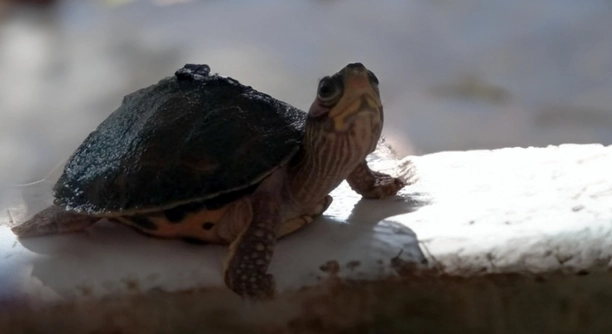
Introducing a new food to your Indian Roofed Tortoise can be an exciting yet challenging experience. It requires understanding their dietary preferences and carefully selecting safe options to ensure a smooth transition.
The process of introducing a new food to an Indian Roofed Tortoise involves gradual incorporation. Start by offering small, finely chopped pieces of the new food alongside their regular diet to monitor their acceptance and digestion.
Ensuring your tortoise’s diet remains balanced is essential for their overall well-being. Understanding the best methods for introducing new foods will help maintain their health.
Understanding Your Tortoise’s Diet
Indian Roofed Tortoises are herbivores, meaning their diet should consist mostly of plant-based foods. However, not all plants are suitable for them. It’s important to offer a variety of vegetables, fruits, and leafy greens, while avoiding high-oxalate foods like spinach. Providing a balance of foods that are high in fiber and low in protein is key to their health. These tortoises thrive on a diet that mimics their natural environment, consisting of grasses, leaves, and flowers. The goal is to avoid sudden changes in their food intake, as this can stress them and disrupt their digestion.
Ensuring their diet includes a wide range of nutrient-dense plants supports their health. Offering different textures and flavors will keep them engaged and encourage healthy eating habits.
Introducing new food items should be done gradually. Start by mixing the new food with their regular meals. This helps prevent digestive upset and allows your tortoise to become accustomed to different tastes and textures without overwhelming them.
Foods to Introduce Gradually
Some foods are more easily accepted than others, and gradual introduction is key. Start with common, safe vegetables like dandelion greens, collard greens, or shredded carrots. These foods are not only easy to digest but also contain essential nutrients. Add these slowly alongside their regular diet, ensuring your tortoise shows no signs of digestive discomfort. When they’ve adapted to one food, you can start offering additional variety, like fruits such as apples, melons, or strawberries, though they should be given sparingly due to their sugar content. It’s crucial to monitor how much of each food is consumed and how it affects their health.
Offering a variety of foods will help your tortoise receive all the essential nutrients they need. Gradual introduction prevents digestive issues and ensures they stay healthy and active. It’s important to be patient during this process and adjust based on their response.
Monitoring Acceptance and Health
As you continue offering new foods, pay attention to any signs of refusal or digestive problems. If your tortoise consistently rejects certain foods or shows signs of diarrhea or lethargy, it may be a sign of intolerance. Make adjustments by offering a different food or reducing the quantity of the introduced food. Each tortoise has its preferences, so finding the right balance takes time. Regularly assess their overall health, and always ensure fresh water is available. This process requires observation and small adjustments for the best outcome.
Choosing Safe Foods
Not all plants are safe for Indian Roofed Tortoises. Avoid feeding them toxic plants like avocado, onions, or iceberg lettuce. Stick to safe greens and vegetables, such as kale, turnip greens, and clover. Always research any new food before offering it, as some plants can cause serious health issues.
Before introducing any new food, ensure it is safe for tortoises. Certain plants may contain harmful compounds that can damage their digestive systems or cause toxicity. It’s also important to be aware of how plants are grown—avoid feeding your tortoise anything that has been treated with pesticides or chemicals. Organic, pesticide-free food is always a safer option.
It’s advisable to stick to foods commonly recommended for tortoises to prevent health problems. Ensuring that the food you offer is free from toxins or contaminants helps avoid serious risks. Always wash fresh produce thoroughly to remove any traces of chemicals. As you get to know your tortoise’s preferences, keep an eye on how they react to different foods.
Preparing Food for Introduction
Preparing food correctly ensures your tortoise gets the most benefit. Wash vegetables thoroughly and cut them into manageable pieces. Smaller pieces are easier for them to eat and digest. When offering fruits, be sure to remove any seeds or pits, as they could pose a choking hazard. Presenting food in different textures will keep your tortoise engaged.
Chop the food into appropriate sizes for your tortoise. The size of the pieces should match their ability to chew, so avoid offering large chunks of food that could cause choking. Offering food in various shapes also helps stimulate their natural foraging behavior, encouraging them to eat more and stay active. It’s a simple but effective way to promote a healthy feeding routine.
By properly preparing their food, you make it easier for your tortoise to enjoy and digest their meals. Careful preparation is one of the simplest ways to avoid digestive upset and ensure they stay healthy.
Offering Food in Small Amounts
Introducing new food in small amounts prevents overwhelming your tortoise. Start by offering a small portion mixed with their regular diet. This allows them to explore the new food without it affecting their digestion. Over time, increase the portion size gradually.
By starting with small servings, you minimize the risk of digestive problems. It also helps your tortoise get accustomed to the new flavors and textures at their own pace. Once they have adjusted, you can increase the quantity or frequency of the new food without causing distress. It’s important to remain patient during this process.
Observing Behavior and Health
Always monitor your tortoise after introducing new food. Look for signs of acceptance or rejection. If they eat the food without any issues, it’s a good sign. However, if they refuse to eat it or show signs of discomfort, reduce the amount and try again later.
Regular observation is key to understanding your tortoise’s preferences and ensuring their health. If they begin to show signs of illness, such as diarrhea or lethargy, it may indicate that the new food does not agree with them. Be patient and flexible in adjusting their diet.
FAQ
What are the best foods for an Indian Roofed Tortoise?
Indian Roofed Tortoises thrive on a variety of leafy greens, such as dandelion greens, collard greens, and turnip greens. Safe vegetables like carrots, zucchini, and squash can also be offered. These provide essential nutrients and fiber. It’s best to limit fruits to occasional treats due to their sugar content. Always avoid feeding them high-oxalate foods like spinach and avoid toxic plants such as avocado and onions.
How often should I feed my tortoise?
Feed your Indian Roofed Tortoise daily, providing a fresh batch of food each day. The amount should be enough for them to consume in a single sitting. Adult tortoises generally eat less frequently, while younger tortoises may need more food. Consistency is important to maintain their digestive health.
Can I feed my tortoise fruit?
Fruits can be given in moderation. While tortoises enjoy fruits like strawberries, apples, and melons, they should not make up the majority of their diet. Due to their high sugar content, fruits should be offered occasionally, with vegetables being the primary food source.
Can I feed my tortoise pellets?
Pellets designed for tortoises can be used as a supplement, but they should not be the primary food source. It’s essential to offer a variety of fresh, natural foods. Pellets should be considered a supplement to a healthy, balanced diet of vegetables and greens.
What should I do if my tortoise refuses to eat new food?
If your tortoise refuses to eat new food, try offering it alongside familiar foods. You can also try cutting it into smaller pieces or changing its presentation. If they still refuse, try again later or give them a break before reintroducing the food. Gradual introduction helps avoid overwhelming them.
How can I ensure my tortoise is getting enough water?
Tortoises may not always drink from a water bowl, but they still need hydration. Soaking your tortoise in shallow, warm water for 15 to 20 minutes a few times a week can help with hydration. Always ensure fresh water is available for drinking, as hydration is crucial for digestion.
Can I feed my tortoise weeds from my garden?
You can feed your tortoise weeds from your garden, but make sure they are safe and free from pesticides. Weeds like clover, dandelion, and plantain are excellent choices. However, avoid weeds that may be toxic to tortoises, such as those from the nightshade family or any plants that have been treated with chemicals.
Is it safe to feed my tortoise lettuce?
Lettuce, especially iceberg lettuce, offers very little nutritional value and should be avoided as a primary food. Some tortoises may enjoy it, but it should only be given as an occasional treat. Romaine lettuce can be offered in small amounts, but it’s best to focus on nutrient-rich greens.
How do I know if my tortoise is eating enough?
A healthy tortoise should show interest in its food and consume a variety of vegetables and greens each day. If your tortoise is eating regularly and maintaining a healthy weight, it’s likely getting enough food. If you notice weight loss or lethargy, consider adjusting the diet and consulting a vet if necessary.
Can I feed my tortoise cooked food?
It’s best to avoid feeding your tortoise cooked food, as it lacks the nutrients found in raw food. Cooking can destroy essential vitamins and minerals that tortoises need. Stick to offering fresh, raw vegetables, greens, and safe fruits to maintain their health.
What if my tortoise doesn’t like a particular food?
If your tortoise refuses to eat a particular food, don’t force it. Offer a variety of foods, including different vegetables and fruits, to find what they enjoy. You can try changing the texture or cutting the food into smaller pieces. Patience is key when introducing new foods.
How do I prevent my tortoise from becoming overweight?
To prevent your tortoise from becoming overweight, monitor their food intake carefully. Avoid overfeeding high-calcium or high-protein foods. Offer a variety of fibrous vegetables and limit fruits. Regular exercise, such as providing an outdoor space for them to roam, is also important for maintaining a healthy weight.
Is it okay to feed my tortoise flowers?
Many tortoises enjoy edible flowers, and they can be a good addition to their diet. Safe options include hibiscus, dandelions, and pansies. Always make sure the flowers haven’t been sprayed with pesticides or chemicals before offering them to your tortoise. Flowering plants can provide additional nutrients and variety in their diet.
How can I ensure my tortoise’s diet is balanced?
To ensure your tortoise’s diet is balanced, focus on offering a variety of leafy greens, vegetables, and occasional fruits. Avoid overfeeding any single food type. It’s also a good idea to offer some plant-based supplements or calcium sources to help maintain proper bone health. A diverse diet will meet their nutritional needs.
Can I feed my tortoise leftovers?
Feeding your tortoise leftovers is not recommended, especially if they’ve been sitting out for too long. Leftover food can spoil quickly, leading to potential health issues. Always offer fresh food to your tortoise, ensuring it is safe and appropriate for their diet. Fresh food is crucial for their health and digestion.
What should I do if my tortoise is not eating?
If your tortoise isn’t eating, check for any signs of illness such as lethargy, swelling, or difficulty moving. Changes in diet, temperature, or stress can affect their appetite. Ensure their habitat is suitable, and offer food in a quiet, comfortable environment. If the issue persists, consult a vet.
Can I feed my tortoise beans or legumes?
Beans and legumes should be avoided, as they can cause digestive issues for tortoises. These foods are not suitable for their diet and may lead to bloating, gas, or other gastrointestinal problems. Stick to safe vegetables, fruits, and leafy greens instead for optimal health.
Final Thoughts
Introducing new foods to an Indian Roofed Tortoise requires patience and careful attention. These tortoises have specific dietary needs that must be met to ensure their health and well-being. Offering a variety of fresh vegetables, leafy greens, and occasional fruits is essential for their overall nutrition. It’s important to focus on foods that are rich in fiber and low in sugar, as excessive sugar can lead to health issues like obesity or digestive problems. By slowly incorporating new foods into their diet, you can help your tortoise develop a taste for a variety of safe and nutritious options.
In addition to their diet, proper hydration is crucial. Indian Roofed Tortoises may not drink water regularly, so soaking them in warm water for 15-20 minutes can be beneficial for their hydration. Ensuring access to fresh, clean water at all times is also important. It’s important to watch for signs of dehydration, such as lethargy or dry skin, and make adjustments to their care routine if necessary. A tortoise’s diet is closely linked to their hydration levels, so both factors must be monitored carefully for optimal health.
Maintaining a consistent feeding schedule and ensuring that the food offered is fresh will help create a healthy routine for your tortoise. It’s also important to avoid overfeeding or introducing too many new foods at once. If your tortoise is hesitant about a particular food, try offering it in smaller portions or mixing it with something they enjoy. Patience and observation are key in managing their diet. By following these guidelines and regularly checking on their behavior and health, you can help ensure that your Indian Roofed Tortoise thrives in its environment.

Hello,
If you enjoy the content that we create, please consider saying a "Thank You!" by leaving a tip.
Every little bit helps us continue crafting quality advice that supports the health, happiness, and well-being of pets around the world, for pets of all shapes, sizes, and species.
We really appreciate the kindness and support that you show us!