
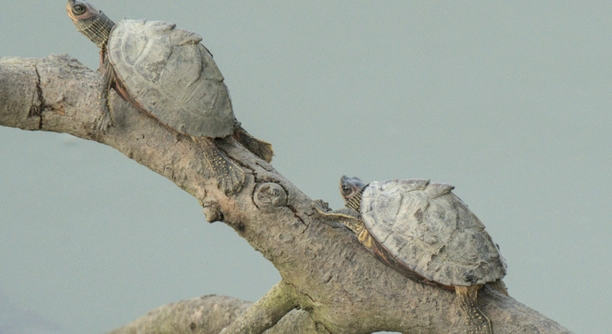
Is your Indian roofed tortoise showing signs of unusual behavior? If she is digging frequently, eating less, or becoming more restless, she may be carrying eggs. Understanding these signs can help you determine if she is pregnant.
A gravid Indian roofed tortoise will display behaviors such as increased digging, reduced appetite, and restlessness. Additionally, a slight bulge near the hind legs may indicate egg development. Providing a proper nesting area is essential for her health and successful egg-laying.
Recognizing these signs early allows you to create a comfortable environment for your tortoise. Proper care ensures a smooth egg-laying process and keeps her healthy during this important time.
Signs Your Indian Roofed Tortoise Is Pregnant
A pregnant Indian roofed tortoise, also called a gravid tortoise, will start showing clear behavioral and physical changes. She may become more restless, pacing around her enclosure or frequently attempting to dig. Appetite loss is another common sign, as some gravid tortoises eat less than usual. Additionally, you may notice changes in her body, including slight swelling near the hind legs due to egg development. If she has access to a nesting area, she may spend more time there, inspecting the substrate and digging test holes. Providing a proper nesting space with soft, moist soil will encourage her to lay eggs comfortably.
Some tortoises become more defensive during this time, preferring solitude. Respect her space and minimize stress by avoiding unnecessary handling. Ensuring she has a warm and quiet environment will help her feel secure.
Monitoring these changes will help you determine if your tortoise is preparing to lay eggs. If the signs persist, consider consulting a reptile veterinarian to confirm her condition.
How to Support a Gravid Indian Roofed Tortoise
Creating a suitable nesting area is essential for a gravid tortoise. A deep layer of soft, moist soil allows her to dig properly. This helps ensure a successful egg-laying process.
Ensure her enclosure has a warm basking area and a cooler space for temperature regulation. Proper hydration is also crucial, so provide fresh water daily. Calcium supplementation supports eggshell formation and prevents health issues. If she struggles to lay eggs or appears distressed, she may be experiencing egg binding, a serious condition requiring veterinary care.
Observing her behavior closely allows you to make necessary adjustments to her environment. A stress-free and well-maintained enclosure will support her through this stage.
Nutritional Needs for a Pregnant Indian Roofed Tortoise
A gravid tortoise needs a well-balanced diet to support egg development. Dark leafy greens, calcium-rich foods, and occasional fruits provide essential nutrients. A calcium supplement with vitamin D3 ensures strong eggshells and prevents complications like soft or misshapen eggs.
Increase her calcium intake by offering cuttlebone, crushed eggshells, or calcium powder sprinkled on her food. Protein should remain minimal, as excessive amounts can cause health issues. Fresh vegetables like squash, carrots, and bell peppers add variety while supplying vitamins. Hydration is crucial, so always provide fresh water. Soaking her in lukewarm water a few times a week helps maintain hydration and supports proper digestion.
A consistent feeding routine helps maintain her health. If she refuses food, monitor her behavior and appetite closely. Gradual changes are normal, but prolonged refusal to eat may indicate stress or a medical issue that requires attention.
Providing a Safe Nesting Area
A proper nesting site encourages egg-laying and reduces stress. Use a deep substrate of damp soil or sand to mimic natural nesting conditions. The area should be warm, quiet, and slightly secluded. Adding gentle heat near the nest can encourage her to lay eggs more comfortably.
The nesting site should be at least 6–8 inches deep to allow proper digging. Tortoises instinctively search for the best location, so ensuring the substrate is soft enough for burrowing is essential. If she struggles to dig, slightly misting the soil can improve its texture. Avoid using materials like gravel or dry sand, as they are difficult to dig through and may discourage her from laying eggs.
After she lays her eggs, monitor the area for signs of disturbance. Some tortoises attempt to rebury their eggs, while others may ignore them entirely. If you plan to incubate the eggs, carefully remove them without rotating and place them in a controlled environment with stable humidity and temperature.
Monitoring Her Behavior After Egg-Laying
After laying eggs, a tortoise may appear exhausted and less active. Offer fresh water and a nutritious meal to help her regain energy. Providing a quiet space allows her to rest without disturbances, reducing stress and promoting a smooth recovery.
Some tortoises lose interest in their eggs after laying them, while others may attempt to guard the nesting site. If she continues to dig excessively or seems restless, ensure she has a comfortable environment. Persistent discomfort may indicate egg retention, requiring veterinary attention.
Caring for the Eggs
If you plan to incubate the eggs, handle them carefully to avoid rotation. Marking the top with a pencil helps maintain their original position. Place them in an incubator with stable humidity and a temperature between 82–86°F for optimal development. Slight temperature variations can influence the hatchlings’ sex. Regularly check for mold or dehydration, adjusting conditions as needed.
When to Seek Veterinary Assistance
If your tortoise struggles to lay eggs, appears lethargic, or shows signs of distress, she may be experiencing egg binding. This condition requires immediate veterinary care. A professional can assess her condition and provide necessary treatments, such as calcium injections or medical intervention, to ensure her safety.
FAQ
How can I tell if my Indian Roofed Tortoise is pregnant?
You can tell if your Indian Roofed Tortoise is pregnant by observing changes in behavior. She may become more restless, dig frequently, or spend more time in the nesting area. A slight bulge near the hind legs may also indicate egg development. Her appetite might decrease, and she may show signs of irritability. Monitoring her closely will help confirm whether she is pregnant or simply undergoing seasonal changes.
Should I be worried if my tortoise stops eating while pregnant?
It’s not uncommon for a gravid tortoise to eat less, especially as she nears egg-laying. However, if she refuses food for extended periods, it’s important to monitor her behavior closely. Ensure she has access to fresh water and a calcium-rich diet. If her lack of appetite continues for more than a few days or she shows signs of distress, a veterinary consultation is recommended.
Can I handle my tortoise while she’s pregnant?
While it’s important to minimize stress, occasional handling should be fine, as long as you don’t disturb her excessively. Gravid tortoises may be more sensitive and prone to stress during this time. Avoid picking her up frequently or placing her in unfamiliar environments. Give her the space she needs to feel secure and comfortable.
What should I feed my pregnant Indian Roofed Tortoise?
A balanced diet is essential. Focus on dark leafy greens like kale, dandelion greens, and collard greens, which provide essential vitamins and calcium. You can also offer vegetables like squash, bell peppers, and carrots. Limit fruits to occasional treats. For calcium, provide a cuttlebone or calcium powder on her food. Proper hydration is just as important, so make sure she has fresh water available at all times.
How can I create a nesting area for my tortoise?
A proper nesting area should consist of a deep layer of damp, soft soil or sand, allowing your tortoise to dig easily. Make sure the area is quiet, warm, and slightly secluded to help her feel secure. You can also add a heat source to maintain a stable temperature in the nesting area. Ensure the substrate is moist but not too wet, as excessive moisture can make digging difficult.
Is it normal for my tortoise to dig excessively when pregnant?
Yes, digging is a natural instinct for gravid tortoises. They dig to create a safe and suitable space for laying their eggs. If your tortoise is digging frequently or appears restless, it’s a sign that she’s preparing to lay eggs. Providing a designated nesting area with soft, moist soil will help her fulfill this instinct safely.
Should I worry if my tortoise doesn’t lay eggs?
If your tortoise is gravid and has been digging for a while but hasn’t laid eggs, it could be due to egg retention. This is a serious condition where the eggs are not laid and can cause severe health problems. If she continues to show signs of digging or discomfort without laying, it’s important to consult a veterinarian immediately. Egg retention requires prompt medical attention to avoid complications.
Can my tortoise lay eggs without mating?
Yes, female Indian Roofed Tortoises can lay eggs without mating. This is known as parthenogenesis, where the female produces unfertilized eggs. These eggs will not hatch, but the process can still affect the tortoise’s behavior and health. It’s important to ensure she has a proper nesting area in case she lays eggs.
How do I know if my tortoise has laid eggs?
After a gravid tortoise lays eggs, you may notice her becoming less active and moving away from the nesting area. If you check the nesting area, you may find eggs buried in the soil. If you’re unsure whether eggs have been laid, carefully check for any signs of disturbed soil or freshly dug holes. If she has laid eggs, you may need to decide whether to incubate them or leave them in the nesting area.
What should I do if my tortoise lays eggs outside the nesting area?
If your tortoise lays eggs outside the designated nesting area, carefully move the eggs into a safe location. Keep them in the same orientation as they were originally laid, as rotating them can damage the embryos. Place them in a container with damp sand or soil and maintain stable humidity and temperature conditions for incubation. If unsure, consult a reptile vet for guidance on how to care for the eggs.
How long does it take for Indian Roofed Tortoise eggs to hatch?
It typically takes around 60 to 90 days for Indian Roofed Tortoise eggs to hatch, depending on temperature and humidity conditions. It’s important to maintain a stable temperature of 82–86°F and high humidity levels in the incubation area. Keeping the eggs in these conditions helps ensure healthy development. Be patient, as hatching can take a while, and avoid disturbing the eggs during the process.
Final Thoughts
Pregnancy in Indian Roofed Tortoises is a natural process that requires careful attention. It’s important to recognize the signs of pregnancy early to ensure that your tortoise is properly cared for during this time. Observing her behavior and physical changes can help you determine when she is nearing the point of laying eggs. Providing a suitable environment with a designated nesting area, proper nutrition, and hydration will support her through the egg-laying process.
If you notice that your tortoise is struggling to lay eggs or is showing signs of discomfort, it’s essential to act quickly. Egg retention is a serious condition that can lead to severe health complications. A veterinary visit is necessary if you suspect that your tortoise is having difficulty laying her eggs. In some cases, professional help may be needed to ensure her safety and well-being. Monitoring her behavior closely during this time will help you catch any problems early and address them before they become more serious.
Whether or not you choose to incubate the eggs, it’s crucial to give your tortoise the space and care she needs during and after egg-laying. While it can be an exciting experience to witness the process, it should not be rushed or forced. Always prioritize her health and comfort. Providing a calm, quiet environment for her to recover after laying eggs will ensure that she stays healthy and able to continue living her life without added stress. Proper care during pregnancy and egg-laying can lead to a smoother process and a happier tortoise.

Hello,
If you enjoy the content that we create, please consider saying a "Thank You!" by leaving a tip.
Every little bit helps us continue crafting quality advice that supports the health, happiness, and well-being of pets around the world, for pets of all shapes, sizes, and species.
We really appreciate the kindness and support that you show us!