
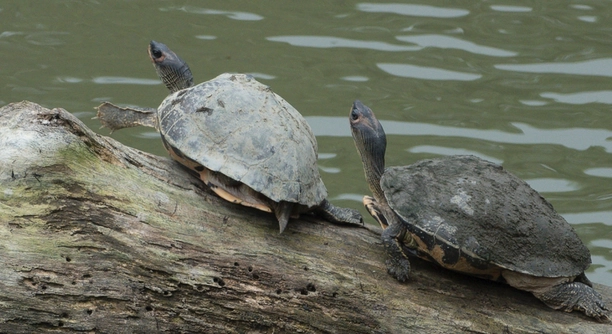
Keeping your Indian Roofed Tortoise hydrated is crucial for its health. Proper hydration supports its overall well-being and prevents common health issues like dehydration or kidney problems. This guide outlines practical ways to ensure your tortoise stays hydrated.
Providing fresh water in a shallow dish, maintaining humidity levels, and offering water-rich foods like leafy greens are key strategies for hydration. Regular misting and creating a humid environment can also help ensure your tortoise gets enough moisture.
A hydrated tortoise is a healthy tortoise, and maintaining proper moisture levels will improve its overall quality of life.
The Importance of Fresh Water
Water is the most straightforward and effective way to ensure your tortoise stays hydrated. Always provide fresh water daily, placed in a shallow dish that your tortoise can easily access. This allows it to drink whenever needed. Be sure to change the water regularly, as it can become dirty and less appealing.
Keep the water dish in an area where the tortoise feels comfortable and secure. If the dish is too deep, your tortoise may not be able to drink properly, which could cause dehydration. A shallow dish also prevents the risk of accidental drowning.
In addition to hydration, fresh water is essential for your tortoise’s digestive health. It helps with the breakdown of food and absorption of nutrients. By ensuring your tortoise has access to clean water, you support its ability to thrive.
Misting and Humidity
Maintaining proper humidity is another crucial factor for your tortoise’s hydration. Mist the enclosure with water every day. This helps increase moisture levels in the air and can assist in keeping your tortoise hydrated, especially in dry environments.
A humid environment supports the tortoise’s natural behavior of absorbing water through its skin. It also aids in shedding and overall skin health. To ensure the humidity levels remain optimal, you can place a hygrometer in the enclosure to monitor the moisture content.
In addition to misting, placing a humid hide within the tortoise’s enclosure can encourage it to stay hydrated. The extra moisture helps balance out the air and provides a comfortable place for your tortoise to stay cool.
Water-Rich Foods
Offering water-rich foods can greatly contribute to your tortoise’s hydration. Vegetables like cucumber, lettuce, and watermelon are excellent options. These foods help replenish moisture levels and support healthy digestion. It’s important to include a variety of water-rich foods in its diet to ensure it stays hydrated.
Leafy greens like kale and collard greens also have high water content and provide essential nutrients. Avoid overfeeding fruits that are too sugary, as they may lead to digestive issues. Stick to a balanced diet, focusing on foods that hydrate while offering the right nutrients.
Water-rich vegetables are a great supplement to fresh water and misting, ensuring that your tortoise receives ample hydration. This approach helps mimic the natural environment, where tortoises often eat moist plants to stay hydrated. Offering the right balance of food and water is key to a healthy tortoise.
The Right Temperature for Hydration
Temperature plays a significant role in hydration. If the enclosure is too hot or dry, your tortoise may become dehydrated, no matter how much water is available. It’s essential to maintain a warm and humid environment to encourage proper hydration.
The temperature should be maintained between 75°F to 85°F (24°C to 29°C). Too much heat can cause water to evaporate quickly, making it harder for your tortoise to stay hydrated. If the temperature fluctuates too much, it can stress the tortoise and hinder its natural ability to drink.
Maintaining stable, appropriate temperatures will support your tortoise’s health and hydration. A proper heat source, such as a basking light, should be used to create a warm zone. Balancing this heat with a cool zone will allow your tortoise to choose the best spot for hydration.
Using a Shallow Pool
A shallow pool can be a helpful tool for hydration. It provides a larger water source where your tortoise can soak and drink at its own pace. Just ensure the pool is shallow enough for your tortoise to get in and out easily.
Having a shallow pool allows your tortoise to submerge itself partially, mimicking natural behaviors. It can help with hydration and skin shedding, which are essential for your tortoise’s health. Clean the pool regularly to prevent bacteria growth and ensure the water stays fresh.
Regular Soaking
Soaking your tortoise is an effective way to boost hydration. In addition to providing fresh water in a dish, soaking in a shallow dish of water for 15–20 minutes every few days can help with moisture absorption.
During the soaking session, the tortoise absorbs water through its skin, which can help prevent dehydration. Make sure the water is not too cold or hot—lukewarm water is best. Soaking also promotes better digestion and prevents urinary problems, which can arise from dehydration.
Avoid Overheating
Overheating can prevent your tortoise from staying hydrated. If the enclosure becomes too hot, your tortoise may avoid drinking water and become stressed. Always monitor the temperature to ensure it is in a comfortable range.
A consistent environment with the right balance of heat and moisture is essential for hydration. A sudden spike in temperature can cause your tortoise to become dehydrated quickly. Keep the enclosure at a stable temperature, and use a thermometer to track fluctuations throughout the day.
FAQ
How often should I provide water for my Indian Roofed Tortoise?
You should provide fresh water daily. Always change the water to ensure it stays clean and free from contaminants. Make sure the water is accessible at all times. Tortoises may drink more frequently during warmer days or after eating, so check the water regularly.
Can I use tap water for my tortoise?
Yes, tap water can be used for your tortoise, but ensure that it is free of harmful chemicals like chlorine. If your tap water contains high levels of chlorine, you should let it sit for 24 hours to allow the chlorine to dissipate, or use a water conditioner to neutralize it.
How do I know if my tortoise is dehydrated?
Signs of dehydration in tortoises include dry, sunken eyes, loss of appetite, lethargy, and reduced urination. If your tortoise is showing any of these signs, ensure it has access to water immediately and adjust its environment to be more humid. Severe dehydration requires veterinary attention.
Should I use a water dish or a water bowl for my tortoise?
A shallow water dish is best for your tortoise. It should be large enough for them to drink comfortably but shallow enough to prevent accidental drowning. Ensure that the sides are low enough for your tortoise to enter and exit easily without any difficulty.
Can I give my tortoise water-rich fruits to hydrate it?
Yes, water-rich fruits like watermelon, strawberries, and cucumbers can be beneficial for hydration. However, these should only be offered in moderation. Too much fruit can cause digestive issues due to their sugar content. Stick to leafy greens and other vegetables as the main part of its diet.
How long can a tortoise go without water?
Indian Roofed Tortoises can survive without water for a short period, but it is not ideal for their health. It’s crucial to offer water daily. Prolonged periods without water can lead to dehydration, which can cause long-term health issues. Always ensure a steady supply of fresh water.
What temperature should the water be for soaking?
When soaking your tortoise, the water should be lukewarm, around 75°F to 80°F (24°C to 27°C). Water that is too hot or too cold can stress your tortoise. Soaking in lukewarm water helps with hydration and promotes proper digestion.
Can I mist my tortoise’s enclosure for hydration?
Yes, misting the enclosure is an excellent way to increase humidity and help your tortoise stay hydrated. Regular misting helps create a more humid environment, which encourages moisture absorption through the skin. Be sure not to overdo it, as excess water can create a damp environment that could lead to mold growth.
How can I maintain proper humidity levels?
To maintain the right humidity levels in your tortoise’s enclosure, mist regularly, provide a humid hide, and keep the substrate damp. The ideal humidity level is around 50–70%, depending on the species. A hygrometer can help monitor the humidity to make sure it stays within the ideal range.
Why is my tortoise not drinking water?
If your tortoise is not drinking water, it could be due to environmental factors such as a lack of humidity or improper temperature. Stress, illness, or a poor diet may also cause dehydration. Ensure the enclosure’s conditions are suitable, and consider soaking your tortoise to encourage drinking.
Is it okay to let my tortoise soak in the water for too long?
It’s important not to soak your tortoise for too long. A soak should last around 15-20 minutes. Extended soaking can cause stress, and it’s unnecessary for hydration. After soaking, always return your tortoise to its dry environment to allow it to absorb the moisture and regain its natural behavior.
What are the best foods for hydrating my tortoise?
Leafy greens such as kale, dandelion greens, and collard greens are some of the best hydrating foods for your tortoise. Cucumbers, zucchini, and celery are also great options. These foods provide essential hydration while offering the vitamins and minerals necessary for a balanced diet.
Final Thoughts
Hydration is crucial for the health of your Indian Roofed Tortoise. By ensuring that your tortoise has access to clean, fresh water daily, you are providing the foundation for its overall well-being. Tortoises are prone to dehydration, which can lead to serious health issues. It’s important to monitor water levels and ensure the water is free from harmful chemicals, like chlorine, that could affect your tortoise’s health. Using a shallow dish or pool for soaking is an effective way to help your tortoise stay hydrated. Regular soaking sessions allow your tortoise to absorb water through its skin, which can be beneficial in maintaining proper hydration levels.
Maintaining proper environmental conditions is just as important. Your tortoise’s enclosure should have a stable temperature and humidity level that supports its natural needs. A warm environment promotes healthy digestion and prevents dehydration. A humidity level between 50% and 70% is ideal for most tortoises. Mist the enclosure regularly and consider adding a humid hide to increase moisture levels. It’s also helpful to keep the substrate slightly damp but not too wet, as excess moisture can lead to mold growth, which is harmful to your tortoise. Adjusting these factors ensures that your tortoise remains comfortable and hydrated.
Providing a varied diet with water-rich vegetables and fruits can also support hydration. While fruits like watermelon and cucumber are good options, they should be given in moderation due to their high water content and sugar levels. Focus on leafy greens like kale, collard greens, and dandelion greens to provide both hydration and essential nutrients. Remember, a well-balanced diet plays an important role in hydration and overall health. Regularly check your tortoise for signs of dehydration, such as sunken eyes, dry skin, or lethargy, and address any issues promptly. By following these steps, you can ensure that your tortoise stays hydrated and healthy for years to come.

Hello,
If you enjoy the content that we create, please consider saying a "Thank You!" by leaving a tip.
Every little bit helps us continue crafting quality advice that supports the health, happiness, and well-being of pets around the world, for pets of all shapes, sizes, and species.
We really appreciate the kindness and support that you show us!