
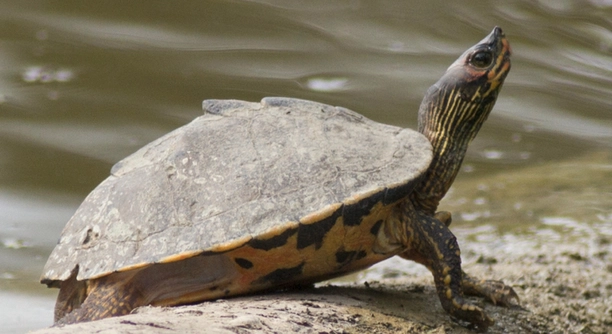
The Indian Roofed Tortoise is a popular pet among reptile lovers. They are calm and fascinating creatures. Learning how to spot a happy tortoise will help ensure your pet’s well-being and keep them content.
A healthy and happy Indian Roofed Tortoise will show active behavior, a bright and clear-eyed appearance, and a well-maintained shell. These tortoises also have a strong appetite, and they actively explore their environment. Proper care contributes to their happiness.
Knowing how to recognize happiness in your tortoise will improve its quality of life. We’ll explore the signs that signal a content and healthy pet.
Physical Signs of a Happy Indian Roofed Tortoise
A healthy tortoise will have a smooth, well-kept shell without visible cracks or deformities. Their eyes should be clear and bright, not cloudy or sunken. Their skin will be free of lesions or excess shedding, indicating good hydration and overall health. The tortoise should also be able to move around easily without dragging its legs or appearing sluggish. If the tortoise is active, exploring its surroundings and looking for food, it’s generally a sign that it’s in a good state of mind.
A happy tortoise will not be overly lethargic or overly aggressive. Both behaviors can signal underlying health issues, so it’s important to monitor them regularly.
It’s essential to ensure that your tortoise’s environment promotes these signs. A clean habitat with the right temperature, humidity, and sufficient space is key to maintaining its happiness. Poor conditions can quickly lead to behavioral changes and health issues that may be hard to reverse. Regular observation helps identify these signs early, making it easier to make necessary adjustments.
Feeding Habits and Appetite
The Indian Roofed Tortoise enjoys a varied diet. When a tortoise is content, it will show interest in food and eagerly eat a variety of greens, fruits, and occasional protein. A loss of appetite or disinterest in food could indicate stress or a health problem.
These tortoises generally have a strong appetite, and feeding them a balanced diet of fresh greens and vegetables will support their well-being. If your tortoise consistently leaves food uneaten or shows reluctance to eat, this can be a sign of unhappiness or discomfort.
Feeding them regularly will keep them satisfied, and their enthusiasm for food will be an excellent indicator of their overall health. If you’re unsure about what to offer, providing them with a variety of plant-based options like dandelion greens, kale, and flowers is a safe choice. Keep the feeding schedule consistent and monitor their eating habits carefully. It’s important to offer fresh food daily while removing any leftover food to prevent it from spoiling in the enclosure. This routine keeps them engaged and healthy.
Behavioral Signs of a Happy Indian Roofed Tortoise
When your tortoise is happy, it will be curious and explore its surroundings. It might move around more, investigating the habitat, climbing over rocks or logs. This natural behavior is a good sign of its comfort and interest in its environment.
A happy tortoise will actively search for food and will not just stay in one spot. It will also interact with the space it’s in, including basking under a heat source and using water dishes to drink or soak. In contrast, if the tortoise is lethargic and seems uninterested in its surroundings, it could be a sign of stress or health concerns.
Consistency in its environment can encourage positive behavior. Make sure it has enough space to move around freely. A well-maintained enclosure with proper lighting, heating, and humidity levels will allow it to thrive and display natural, happy behaviors.
Shell Health and Maintenance
The condition of the tortoise’s shell reflects its health and happiness. A healthy shell is smooth, free from cracks or dents, and shows no signs of fungus or rot. If your tortoise is regularly maintaining its shell, it indicates proper care.
Shell shedding is a natural process for tortoises, but if it seems excessive or uneven, there could be issues with diet or humidity levels. It’s crucial to ensure that the habitat provides the right conditions for the tortoise to shed its skin properly and maintain a healthy, strong shell.
Over time, a happy tortoise will naturally groom itself and keep its shell in good condition. Keeping the shell free from any cracks or abnormalities will prevent any potential discomfort for your tortoise. Regularly checking the shell for any irregularities and maintaining a proper environment for hydration and nutrition is essential for long-term health.
Activity Level and Exploration
A happy tortoise is an active one. It will regularly walk around, explore different areas of its habitat, and show interest in its surroundings. This activity shows it’s comfortable and enjoying its environment.
Inactive or lethargic behavior may be a sign of discomfort or stress. If a tortoise spends long periods resting in the same spot, it might not be feeling well.
Social Interactions
Indian Roofed Tortoises are not highly social, but they do enjoy a peaceful environment. If they’re kept with other tortoises, they should interact without signs of aggression or excessive hiding. A lack of aggression suggests contentment.
If they avoid interaction or seem stressed when nearby other tortoises, they may prefer more space. Make sure they are not overcrowded.
Hydration and Soaking Habits
Hydration is key to a tortoise’s happiness. A content tortoise will often drink water or soak in a shallow dish to maintain moisture levels. Proper hydration ensures the health of its skin and shell.
Regular soaking also aids in digestion and helps prevent dehydration. If your tortoise refuses to soak or drink, it could be stressed or unwell. Keep a clean, shallow water dish in its enclosure to encourage this behavior.
FAQ
How do I know if my Indian Roofed Tortoise is stressed?
Signs of stress in an Indian Roofed Tortoise can include lethargy, loss of appetite, excessive hiding, or unusual aggression. A tortoise that is frequently hiding, avoiding movement, or showing no interest in food might be under stress. Stress could be caused by poor habitat conditions, such as improper lighting, temperature, or humidity. Ensure the enclosure is clean, spacious, and provides proper lighting and heating to help reduce stress. If the symptoms persist, consider consulting a vet for further advice.
What should I do if my tortoise isn’t eating?
If your tortoise is not eating, it could be a sign of stress, illness, or poor environmental conditions. Check the temperature and humidity levels of the enclosure, as these factors heavily influence appetite. Make sure it has access to fresh, suitable food. A lack of appetite can also occur if the tortoise feels threatened or insecure in its environment, so create a calm, safe space for it. If it doesn’t eat for more than a few days, or if it shows other signs of illness, it’s best to consult a veterinarian.
Can my Indian Roofed Tortoise live with other tortoises?
Yes, Indian Roofed Tortoises can live with others of their species, but you must ensure there’s enough space to prevent territorial behavior. Overcrowding can lead to stress, fighting, and competition for food. Each tortoise should have its own territory and space to bask, sleep, and eat without interference from others. If you notice signs of aggression or stress, it might be best to house them separately.
How often should I clean my tortoise’s enclosure?
The enclosure should be cleaned regularly to maintain a healthy environment for your tortoise. Remove any uneaten food daily and clean water dishes to ensure the tortoise stays hydrated. Perform a more thorough cleaning once a week, which includes wiping down surfaces, changing substrate, and disinfecting any areas where waste may have accumulated. Keeping the habitat clean helps prevent bacterial growth and keeps the tortoise in a healthy and happy state.
What kind of food should I feed my Indian Roofed Tortoise?
Indian Roofed Tortoises are herbivores, and their diet should consist mainly of leafy greens, vegetables, and some fruit. You can offer dandelion greens, kale, collard greens, and flowers such as hibiscus. Avoid feeding them too much fruit, as it’s high in sugar and can cause digestive issues. They may also benefit from occasional protein sources like boiled eggs or insects, but these should be limited. A balanced diet with a variety of plants is key to their well-being.
How do I provide the right temperature for my tortoise?
The Indian Roofed Tortoise needs a warm environment to stay happy and healthy. You should provide a basking area with a temperature of about 90°F (32°C) and a cooler area where the tortoise can retreat to around 75°F (24°C). The difference in temperature allows the tortoise to regulate its body temperature. Use a heat lamp for basking and a thermometer to monitor the temperature consistently. If the environment is too cold, your tortoise may become sluggish or ill.
How often should I soak my tortoise?
Soaking is important for hydration and digestion. You should offer your tortoise a shallow dish of water to soak in every couple of days. Some tortoises may naturally soak themselves, while others might need encouragement. Soaking can also help with shedding and prevent dehydration. Always ensure that the water level is shallow enough to avoid drowning, and make sure the water is clean and fresh. Don’t force your tortoise to soak, but encourage the behavior by making water easily accessible.
Can my tortoise get too much sunlight?
While sunlight is important for vitamin D synthesis and overall health, too much direct sunlight can lead to overheating or dehydration. Always ensure your tortoise has access to shaded areas in its enclosure to avoid overheating. If your tortoise is outside for sunbathing, make sure there are areas for it to retreat from the sun when needed. Moderation is key to ensuring your tortoise benefits from the sun without getting harmed.
What size enclosure does my Indian Roofed Tortoise need?
The enclosure should be large enough to allow your tortoise to roam freely and explore. A minimum of a 40-gallon tank is recommended for one tortoise, but the bigger, the better. A spacious environment helps reduce stress and encourages natural behavior. The enclosure should have both a basking area and a cooler area, along with enough room for the tortoise to move around and engage with its surroundings. You may also want to create some hiding spots and objects for climbing to make the habitat more stimulating.
Is it necessary to provide UVB lighting for my tortoise?
Yes, UVB lighting is essential for an Indian Roofed Tortoise. UVB light helps them produce vitamin D3, which is necessary for proper calcium absorption. Without UVB light, your tortoise could develop metabolic bone disease, a serious health condition. Place the UVB light over the basking area, and keep it on for about 10-12 hours a day. Make sure the light is replaced regularly, as its effectiveness can decrease over time.
How can I tell if my tortoise is happy?
A happy Indian Roofed Tortoise will exhibit active behavior, such as exploring its environment, basking, and eating with enthusiasm. It will show curiosity, regularly moving around its enclosure, and may even interact with objects like rocks or logs. Additionally, a healthy, smooth shell and clear eyes are good signs of happiness. If your tortoise seems calm, eats regularly, and engages in natural behaviors, it is likely content and in good health.
Final Thoughts
Taking care of an Indian Roofed Tortoise can be a rewarding experience. These animals are unique and require attention to detail when it comes to their habitat, diet, and overall well-being. A healthy, happy tortoise will show clear signs of contentment, such as active behavior, bright eyes, and a strong appetite. It’s important to provide them with the right environment, including proper temperature, humidity, and space, so they can thrive. Regularly monitoring their health and behavior will ensure they stay comfortable and healthy.
Understanding the signs of a happy tortoise is key to maintaining their health. The more you observe your tortoise, the better you will be at recognizing when something is wrong. Whether it’s an issue with their diet, habitat, or behavior, early detection will help prevent larger problems in the future. If your tortoise is showing signs of stress, such as lethargy or loss of appetite, don’t hesitate to adjust their environment or seek advice from a vet. Keeping the right balance of temperature, humidity, and space can often resolve many issues and lead to a happier tortoise.
In the end, the happiness and health of your Indian Roofed Tortoise depend on the care you provide. A little effort in ensuring they have a clean, well-maintained enclosure and a balanced diet goes a long way. With the right attention, your tortoise can live a long, happy life, showing off its natural behaviors and thriving in your care. Keep learning about their needs, and don’t be afraid to make adjustments. A happy tortoise is a sign of good care, and it’s worth every bit of effort.

Hello,
If you enjoy the content that we create, please consider saying a "Thank You!" by leaving a tip.
Every little bit helps us continue crafting quality advice that supports the health, happiness, and well-being of pets around the world, for pets of all shapes, sizes, and species.
We really appreciate the kindness and support that you show us!