
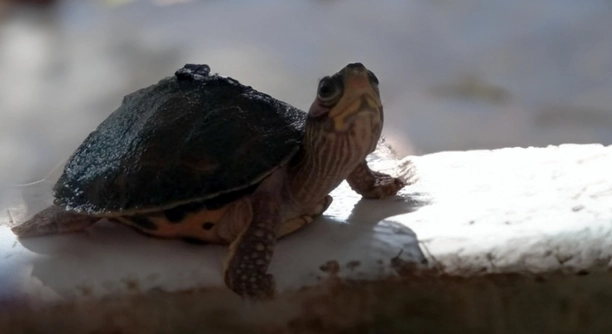
Indian Roofed Tortoises are popular pets, known for their calm demeanor and longevity. Like other animals, they can develop allergies to certain foods, which can affect their health and well-being. It’s important to understand these triggers.
The 7 most common food allergies in Indian Roofed Tortoises are caused by specific plant-based foods, such as lettuce, spinach, and certain fruits. These allergies can lead to digestive issues, skin problems, or respiratory distress if consumed regularly.
Understanding these common food allergies can help you avoid potential health risks for your tortoise. Keeping track of what they eat will ensure they stay happy and healthy for years to come.
Common Food Allergies in Indian Roofed Tortoises
Indian Roofed Tortoises, being herbivores, rely on a variety of plants and vegetables in their diet. However, not all foods are suitable for them, and some can cause allergic reactions. These reactions can range from mild discomfort to more serious health issues. Foods such as spinach, lettuce, and high-calcium plants may trigger digestive disturbances, skin irritations, or even respiratory problems. It’s important to know which foods may cause these reactions to help keep your tortoise healthy. Feeding a balanced diet with safe ingredients ensures that your tortoise gets the nutrition it needs without causing harm.
Certain leafy greens, such as spinach, are known to cause issues due to high levels of oxalates. These compounds can bind to calcium, making it harder for your tortoise to absorb it. While some fruits like watermelon may seem refreshing, they can upset your tortoise’s stomach if consumed in excess.
A safe approach to feeding your tortoise involves selecting a variety of appropriate vegetables and greens. You should avoid feeding them sugary or acidic fruits like citrus, which can irritate their stomach and skin. It’s also crucial to observe your tortoise after introducing new food items. If any symptoms like swelling, difficulty breathing, or loose stool occur, it’s a sign that the food is not suitable. By sticking to trusted greens like dandelion leaves and grasses, you can avoid these problems and maintain your tortoise’s health.
Managing Allergies in Indian Roofed Tortoises
Not all allergies in tortoises are immediately visible. Some may develop over time, and others may take a few hours to show symptoms. Regularly monitoring your tortoise’s diet and looking for signs of an allergic reaction can help prevent further issues.
Keeping a simple food log is one effective way to track the foods your tortoise consumes. By noting what they eat and observing their reactions, you can identify patterns and avoid known allergens. If you notice any changes in behavior or health, consult with a vet to determine the cause and find suitable solutions. Many tortoises will require a diet adjustment to eliminate problem foods and replace them with safer options. Once allergens are identified, the healing process begins. With the proper care and diet, most tortoises can fully recover from mild allergic reactions. Regular vet check-ups are also recommended for monitoring long-term health and ensuring that your pet remains in good condition.
Spinach and High Oxalate Levels
Spinach is a commonly fed green, but it can cause issues for tortoises due to its high oxalate content. Oxalates bind to calcium, making it harder for tortoises to absorb the calcium they need. This can lead to long-term health problems, including metabolic bone disease.
While spinach contains useful nutrients, it’s best offered in moderation. If you feed your tortoise spinach too often, they may develop calcium deficiencies over time. As an alternative, try offering other leafy greens like collard greens or mustard greens. These alternatives are easier on their digestive systems while still providing essential nutrients.
If you notice any signs of discomfort after feeding spinach, such as digestive upset or changes in behavior, it’s best to remove it from their diet altogether. Over time, you’ll find that reducing high-oxalate foods improves your tortoise’s overall health and prevents further complications related to calcium absorption.
High-Calcium Vegetables
High-calcium vegetables like kale and parsley are generally safe, but they should still be used carefully. Too much calcium can lead to problems like kidney stones or excess calcium buildup, which might affect your tortoise’s organs.
You should balance high-calcium vegetables with other greens that are lower in calcium. A good mix of safe foods helps ensure your tortoise gets all the necessary nutrients without overloading on one type. It’s also helpful to vary the greens you offer regularly, as too much of the same food can result in unbalanced nutrition. Be mindful of any signs of distress, such as lethargy or changes in behavior, as these may be signs of calcium-related issues.
Incorporating a wide variety of safe vegetables and herbs is essential. Over time, a balanced diet will support your tortoise’s health, preventing common issues caused by too much or too little calcium.
Lettuce and Digestive Issues
Lettuce, especially iceberg lettuce, is commonly fed to tortoises but offers little nutritional value. It can also lead to digestive problems, including diarrhea, as it’s high in water content and low in fiber.
Feeding lettuce too often can result in poor digestion, causing your tortoise to have trouble absorbing the nutrients they need from other foods. It’s better to opt for leafy greens like dandelion greens or clover that provide more fiber and nutrition. These alternatives are more suitable for their digestive system and overall health.
Fruit and Sugar Sensitivity
Fruits like watermelon, apples, and grapes are sometimes fed to tortoises, but their high sugar content can cause problems. Overconsumption of sugary fruits can lead to upset stomachs, bloating, and potential long-term issues with their metabolism.
Moderation is key when offering fruits to tortoises. It’s best to limit fruit intake and offer it as an occasional treat. Stick to lower-sugar fruits like berries or small pieces of melon to prevent digestive discomfort. Keeping their diet primarily plant-based and low in sugars helps avoid health risks.
Excessive Protein
Feeding protein-rich foods to Indian Roofed Tortoises can be harmful. Too much protein can cause kidney strain and disrupt their balance of essential nutrients. Proteins from sources like insects or high-protein vegetables should be limited.
A plant-based diet is best for these tortoises.
FAQ
What are the signs of food allergies in Indian Roofed Tortoises?
The signs of food allergies in Indian Roofed Tortoises can vary. Common symptoms include skin irritations, swelling, or puffiness around the eyes and face. You might also notice changes in their behavior, such as becoming lethargic or hiding more than usual. Digestive issues like diarrhea or vomiting can also point to an allergy. If you notice any of these symptoms after feeding certain foods, it’s best to stop feeding that food and monitor your tortoise closely. If symptoms persist, consult with a veterinarian to determine the cause.
How can I help my tortoise if they have a food allergy?
If your tortoise is experiencing an allergic reaction, it’s important to stop feeding the food that triggered the reaction immediately. Depending on the severity, you may need to consult with a vet, especially if the symptoms are more serious like trouble breathing or swelling. In mild cases, removing the allergen and offering fresh water and safe, gentle foods like dandelion greens can help calm their system. Always monitor your tortoise for any changes in behavior or health, and keep a log of what they eat to help identify any triggers.
Can Indian Roofed Tortoises eat fruits?
Yes, Indian Roofed Tortoises can eat fruits, but only in moderation. Fruits like melon, berries, and apples are fine as occasional treats, but they should not be a regular part of their diet. The high sugar content in fruits can cause digestive issues and weight gain if overfed. Stick to small portions, and avoid high-sugar fruits like grapes and citrus, which are more likely to upset their digestive system.
What greens can I safely feed my tortoise?
There are several safe greens you can feed your Indian Roofed Tortoise. Dandelion greens, collard greens, and mustard greens are great choices. You can also offer grasses like Bermuda grass and timothy hay. These provide essential nutrients and fiber for digestion. Avoid iceberg lettuce, as it has little nutritional value and can cause digestive issues. Always wash the greens thoroughly before offering them to your tortoise to remove any pesticides or contaminants.
Can I feed my tortoise spinach?
Spinach can be fed to your tortoise but only in moderation. While spinach contains vitamins and minerals, it also has high levels of oxalates, which can bind with calcium and make it harder for your tortoise to absorb this essential mineral. Over time, this can lead to health issues like metabolic bone disease. If you feed spinach, do so sparingly, and balance it with other greens like kale, collard greens, and dandelion leaves that are better for calcium absorption.
Are there any foods that I should completely avoid feeding my tortoise?
Yes, there are several foods that should be avoided entirely to prevent health issues. These include high-fat foods like avocado, which can be toxic to tortoises. You should also avoid feeding them processed foods, dairy products, and sugary fruits. Certain vegetables like onion, garlic, and rhubarb are also toxic to tortoises and should never be fed to them. Always research new foods before introducing them into your tortoise’s diet to ensure they are safe and appropriate.
How often should I feed my Indian Roofed Tortoise?
Indian Roofed Tortoises should be fed daily, but the quantity will depend on their age and size. Baby tortoises tend to eat more frequently, around once a day, while adults may eat every other day. It’s important to provide a variety of fresh, safe greens and vegetables. You should also offer fresh water every day and monitor their food intake to prevent overeating or underfeeding. A healthy diet promotes better digestion and overall health.
Can my tortoise eat flowers?
Some flowers are safe for tortoises, while others are toxic. Safe options include dandelion flowers, hibiscus, and pansies. These flowers can be a fun and nutritious addition to their diet. However, be careful about feeding flowers that may have been treated with pesticides or chemicals. Always ensure that the flowers are free of any harmful substances before offering them to your tortoise. If in doubt, stick to safe plants like dandelion, which is widely available and well-suited for tortoises.
How do I know if my tortoise is overweight?
You can tell if your tortoise is overweight by looking at their shape and weight. A healthy tortoise should have a smooth, rounded shell and not appear overly wide or bloated. If your tortoise’s shell appears flattened or if they are struggling to move, it may be a sign of obesity. Regularly weigh your tortoise and keep track of their weight to monitor any changes. If you notice significant weight gain, it may be time to adjust their diet and reduce high-calorie foods like fruits and certain vegetables.
What should I do if my tortoise is not eating?
If your tortoise isn’t eating, it could be due to several factors such as stress, illness, or an inappropriate diet. Ensure they have a calm, safe environment and that their habitat is suitable in terms of temperature and humidity. Check if you’ve been offering safe, appealing foods, and ensure they’re not experiencing any discomfort. If your tortoise continues to refuse food for more than a few days, consult a vet to rule out any underlying health problems.
Final Thoughts
Feeding your Indian Roofed Tortoise a balanced and safe diet is essential for their health and well-being. Just like any pet, these tortoises rely on the right foods to stay strong and healthy. While they have some dietary flexibility, it’s crucial to avoid foods that can cause allergies or digestive issues. Overfeeding high-oxalate greens like spinach, sugary fruits, or high-calcium vegetables can result in problems like calcium deficiencies or kidney issues. Keeping their diet simple and providing a variety of safe, nutrient-rich foods is the key to preventing health problems.
Understanding the foods that can trigger allergies is important. Symptoms such as digestive issues, skin irritations, or unusual behavior should be closely monitored. Once you identify what causes these reactions, you can adjust their diet accordingly. Keeping a food log or journal can help you track their meals and spot any triggers that lead to issues. For example, if your tortoise shows signs of discomfort after eating a certain food, remove it from their diet and observe whether the symptoms improve. Consulting with a vet can also provide guidance if you’re unsure about what’s safe for your tortoise.
Overall, the goal is to offer a well-rounded diet that meets their nutritional needs. Safe vegetables, grasses, and occasional fruits are great choices, while avoiding high-fat or toxic foods like avocado and onions is crucial. By paying attention to your tortoise’s reactions and providing the right foods, you can help them live a long and healthy life. Keeping their diet consistent and offering variety is key in maintaining their health. With the right care and feeding habits, your Indian Roofed Tortoise will thrive for years to come.

Hello,
If you enjoy the content that we create, please consider saying a "Thank You!" by leaving a tip.
Every little bit helps us continue crafting quality advice that supports the health, happiness, and well-being of pets around the world, for pets of all shapes, sizes, and species.
We really appreciate the kindness and support that you show us!