
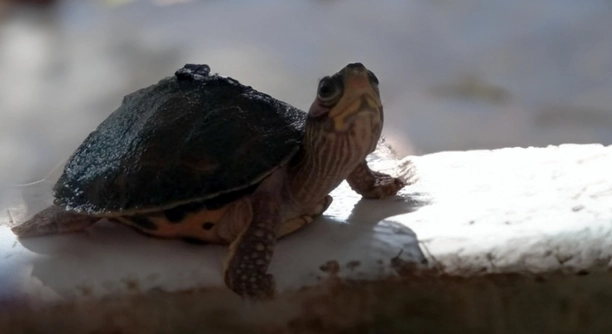
The Indian roofed tortoise is a unique and fascinating pet that requires careful attention, especially when it comes to setting up the perfect indoor tank. Understanding where to place its tank is essential for both its health and comfort.
The best places to keep an Indian roofed tortoise tank indoors are areas that maintain a stable temperature, avoid direct drafts, and provide enough space for movement. Ideally, these spots should also offer natural light and minimal disturbance.
With the right placement, you can create a safe and inviting home for your tortoise. Keep reading to find out the most suitable spots for your new pet’s habitat.
Choosing a Spot Near a Window
Choosing a spot near a window can be beneficial for your Indian roofed tortoise. The natural light from the window helps in maintaining a healthy environment, which is vital for the tortoise’s well-being. A good source of light supports its activity and overall health. Make sure to avoid direct sunlight, though, as it can cause overheating in the tank. The room temperature should remain consistent, with no drafts or extreme changes in temperature. Tortoises thrive in temperatures between 75°F and 85°F, so placing the tank in a location that can offer this balance is key.
It’s important to ensure that the spot near the window isn’t too exposed to temperature changes.
Consider placing your tortoise tank where sunlight streams in during the day. However, be cautious of how much direct heat it may get. Too much exposure to sunlight can raise the tank’s temperature beyond ideal levels, leading to potential health problems for your pet. If the window area gets too hot, you can use curtains or blinds to filter the sunlight. This way, you can provide your tortoise with enough light while keeping the environment at a comfortable temperature. Regular monitoring of the temperature in the tank is recommended to prevent overheating.
A Quiet Corner in the Room
Placing the tortoise tank in a quiet corner ensures that your pet isn’t disturbed by everyday activities.
A peaceful environment helps reduce stress, which is vital for the tortoise’s health. Noise and constant movement can affect its well-being.
Away from Drafty Areas
Placing the tortoise tank away from drafty areas is crucial for maintaining a stable temperature.
Cold drafts can make your tortoise uncomfortable and lead to health problems. They can lower the temperature inside the tank and cause unnecessary stress. The best place is a room that stays relatively free of air drafts, such as a corner or a space away from open doors or windows that often get a lot of wind. This also helps keep the tank’s humidity level balanced.
While placing the tank out of drafts, avoid areas that are too close to heat sources. Heat from vents or radiators can make the tank temperature rise and fluctuate, which is equally harmful to your tortoise’s well-being. Stable, moderate conditions are what they need for a healthy life. Ensure the tank stays within the optimal temperature range of 75°F to 85°F by regularly monitoring the environment with a thermometer.
On a Stable, Elevated Surface
Elevating the tortoise tank can help prevent it from tipping over and ensure that it stays stable.
A sturdy table or stand is a good choice for the tank. It keeps the tortoise safe and reduces the risk of accidents. Plus, placing the tank off the ground helps with visibility, making it easier to observe your pet.
It’s important to choose an elevated surface that is strong enough to support the weight of the tank and any equipment, like lighting or heating elements. Make sure the stand or table is secure, as any wobble can lead to injury. The added height also makes it easier to care for your tortoise, whether it’s cleaning the tank or adding food and water.
Avoiding High-Traffic Areas
It’s important to place the tortoise tank away from busy or high-traffic areas of the house.
Frequent movement around the tank can stress the tortoise, leading to health issues. Areas near hallways or doorways should be avoided, as these spots often have constant activity. A quiet area provides the tortoise with the calm it needs to feel secure.
Ensure the tank is in a space where the tortoise won’t be startled by sudden noises or movements. It’s crucial for their mental and physical health to have a peaceful environment where they feel safe and undisturbed.
Near a Source of Natural Light
A spot that gets some natural light each day can be great for the tortoise.
Exposure to natural light, especially in the morning, supports their biological rhythms. It also helps maintain the proper balance of day and night cycles. However, the light should be indirect to prevent overheating and stress.
Direct sunlight can cause the tank’s temperature to rise rapidly, which can be harmful. A location where light filters in gently will help your tortoise stay active and healthy without putting it under unnecessary stress.
FAQ
What temperature is best for an Indian roofed tortoise tank indoors?
Maintaining a temperature between 75°F and 85°F is ideal for an Indian roofed tortoise. It’s important to monitor the tank’s temperature regularly to avoid fluctuations. A temperature that’s too hot or too cold can stress your tortoise and affect its health. Use a reliable thermometer to keep track of the conditions in the tank. If the room temperature is lower than this range, consider using a heat lamp or a space heater to keep things stable. On the other hand, avoid placing the tank near direct heat sources like radiators or stoves, as they can cause overheating.
Should I use a heat lamp for my tortoise’s tank?
Yes, a heat lamp can be useful to ensure your tortoise has access to the warmth it needs. Place the lamp over one side of the tank to create a heat gradient. This allows your tortoise to move closer or farther from the heat source as needed. Just make sure to keep the lamp at a safe distance from the tank to prevent it from getting too hot. Additionally, using a UVB light in conjunction with the heat lamp will help your tortoise synthesize Vitamin D3, which is essential for its health. Make sure the heat lamp doesn’t make one side of the tank too hot, as it could lead to dehydration or burns.
Can I place the tortoise tank in a room with air conditioning?
It’s best to avoid placing your tortoise’s tank directly in front of an air conditioner. Cold drafts can lower the tank’s temperature, which can be harmful to your tortoise. However, if the room is air-conditioned, ensure that the temperature remains within the ideal range of 75°F to 85°F. Use a thermometer inside the tank to check for any drops in temperature. If needed, you can move the tank further from the air conditioner to avoid fluctuations that could cause discomfort for your pet.
How much light does my tortoise need?
Indian roofed tortoises require about 10 to 12 hours of light per day. If possible, place the tank in a spot that gets indirect sunlight. Natural light is beneficial for your tortoise’s activity and well-being. However, ensure that the tank does not get direct sunlight for extended periods, as this can cause the temperature to rise too quickly, leading to potential overheating. If natural light isn’t available, you can use UVB lighting to provide the necessary exposure to light. The UVB light should be positioned above the tank to simulate natural sunlight.
Is humidity important for my tortoise’s tank?
Yes, humidity plays a role in your tortoise’s health, especially in their ability to shed their skin properly. A humidity level of around 50-60% is ideal for an Indian roofed tortoise. Too much humidity can lead to respiratory issues, while too little can cause dryness and problems with shedding. Consider placing a shallow water dish in the tank to help maintain humidity. You can also use a hygrometer to monitor the humidity levels. If you find the air is too dry, spraying the substrate with water occasionally will help keep the humidity within the desired range.
Can I use a glass tank for my tortoise?
Yes, glass tanks are commonly used for tortoises. They allow you to clearly observe your pet while providing the necessary space. However, ensure the glass tank has proper ventilation to prevent excess moisture buildup, which can lead to mold or respiratory problems for your tortoise. You can opt for a tank with a secure mesh lid for airflow. Make sure the tank is large enough for your tortoise to move around comfortably. Avoid small tanks, as they can restrict your tortoise’s movement and cause stress.
How do I clean my tortoise’s tank?
Regular cleaning of the tank is essential for maintaining a healthy environment for your tortoise. Remove uneaten food and waste daily to keep the tank clean. Once a week, perform a more thorough cleaning. Take out the substrate, wash the tank with mild soap, and rinse thoroughly to avoid soap residue. You can disinfect the tank using a pet-safe cleaner, making sure to rinse it well afterward. Replace the substrate regularly to maintain a healthy and clean living space. Make sure to clean the water dish and any decorations in the tank too.
How do I prevent my tortoise from escaping?
Tortoises are excellent escape artists, so make sure the tank has secure walls. Use a high enough enclosure to prevent your tortoise from climbing out. A sturdy mesh lid is also recommended to prevent escapes, especially if you use a larger tank. Check for gaps or weaknesses in the tank’s structure where your tortoise might fit through. If you use a glass tank, ensure the lid fits tightly and cannot be easily moved by your tortoise. Regularly inspect the enclosure to make sure there are no cracks or loose parts that could create an escape route.
What type of substrate should I use for the tank?
For an Indian roofed tortoise, use a substrate that mimics its natural habitat. Options like coconut coir, cypress mulch, or a mix of sand and soil work well. These substrates help maintain humidity and provide a comfortable surface for your tortoise to move around. Avoid using cedar or pine wood chips, as they can release harmful oils that are toxic to reptiles. Be sure to spot clean the substrate daily, removing any waste or food remnants. Change the substrate completely every few months to ensure a clean environment for your pet.
How often should I feed my Indian roofed tortoise?
Feed your tortoise every day, offering a mix of fresh leafy greens, vegetables, and some fruits. A varied diet is important for their health. Leafy greens like dandelion greens, collard greens, and kale are great options. Limit fruit and high-protein foods, as these can cause health issues if given in excess. Make sure to remove uneaten food daily to prevent it from spoiling and affecting the tank’s cleanliness. Also, offer fresh water every day and ensure it’s clean. A shallow water dish will make it easier for the tortoise to drink and bathe.
Final Thoughts
Setting up a suitable tank for your Indian roofed tortoise indoors is crucial for its well-being. Choosing the right location for the tank will ensure that your tortoise stays comfortable and healthy. Placing the tank in an area with natural light but away from direct sun is a good start. Keeping the tank in a quiet, draft-free spot helps reduce stress and provides a peaceful environment. Ensuring the tank is on a stable surface is also important to avoid accidents. Each of these factors contributes to the overall health of your tortoise and can make a significant difference in its quality of life.
It’s essential to remember that your tortoise needs more than just the right location. Temperature and humidity must be carefully controlled to create a stable environment. Regular monitoring of the tank’s conditions is important, as sudden changes in temperature or humidity can lead to health problems. You can use a thermometer and hygrometer to keep track of the conditions. Providing the right lighting, especially UVB light, is equally crucial to your tortoise’s health, as it helps in Vitamin D3 synthesis, which is needed for proper shell growth and overall health. Creating the right habitat ensures that your tortoise thrives and feels secure in its environment.
In the end, a little effort goes a long way when it comes to keeping your Indian roofed tortoise happy. It’s not just about having the right tank size or features, but also about creating a stable and secure environment where your pet can feel comfortable. With the right attention to its needs, your tortoise will be able to live a healthy, long life in your care. Regular maintenance of the tank, proper feeding, and a safe environment will ensure that your tortoise grows and enjoys a fulfilling life. Keeping these simple guidelines in mind will help you provide the best care for your pet.

Hello,
If you enjoy the content that we create, please consider saying a "Thank You!" by leaving a tip.
Every little bit helps us continue crafting quality advice that supports the health, happiness, and well-being of pets around the world, for pets of all shapes, sizes, and species.
We really appreciate the kindness and support that you show us!