
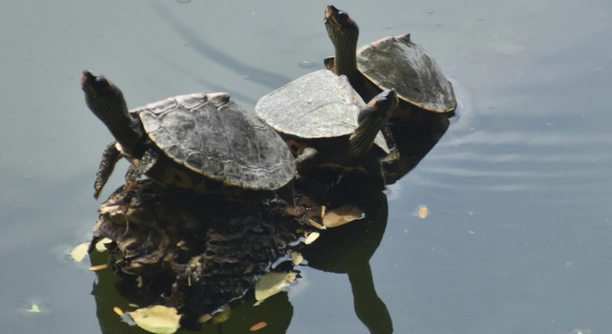
Is your Indian Roofed Tortoise constantly kicking its food? You may notice this behavior in your pet and wonder why it happens. Understanding the reasons behind this action can help you provide the best care for your tortoise.
This behavior is typically a result of natural instincts, stress, or environmental factors. Tortoises are known to kick or push food away due to territorial behavior, lack of appetite, or food preferences. These actions may also occur when they feel uncomfortable in their surroundings.
There are a few things you can do to help your tortoise feel more at ease and encourage healthier eating habits. This article will explain why your tortoise may be kicking its food and how to manage this behavior effectively.
Natural Behavior and Instincts
Tortoises, like many other animals, have specific instincts that can sometimes lead to behaviors that seem unusual. For Indian Roofed Tortoises, kicking food away is part of their natural actions. In the wild, these creatures are used to foraging for food in a large area. They may push food away as part of their territorial behavior or because they are trying to find something more appealing. This instinct can carry over into their behavior in captivity. It’s important to understand that they may not always be rejecting the food, but rather expressing an innate need to search for better or more appropriate food sources.
While this can be frustrating, it’s simply how your tortoise is responding to its environment. It’s a behavior that many tortoise owners observe and usually isn’t a sign of health problems. Instead, it’s more about their natural instincts at play.
If your tortoise is kicking its food away, it’s not necessarily a sign that it’s unhappy with the food. Instead, it may just be acting in accordance with instincts that help them survive in the wild. These behaviors can be addressed by providing a more stimulating environment.
Stress and Environmental Factors
Stress can be another reason for your tortoise’s food-kicking behavior. When a tortoise feels anxious or uncomfortable in its surroundings, it may begin to exhibit odd actions. This could include kicking food away or ignoring it entirely. Changes in temperature, humidity, or lighting can cause your tortoise stress, which affects its eating habits.
Creating a stable and comfortable environment is crucial for your tortoise’s well-being. The right tank setup, with proper lighting and humidity levels, helps reduce stress. An unstable environment can lead to food rejection as a sign of discomfort or unease. Make sure your tortoise’s habitat is clean, quiet, and predictable to encourage better eating behavior.
Proper care is essential in addressing this issue. Ensure that the temperature and lighting in the enclosure mimic the tortoise’s natural habitat. This will not only help with food intake but also contribute to its overall health. Furthermore, providing a quiet environment without sudden disturbances can make a huge difference in how your tortoise interacts with its food.
Food Preferences and Picky Eaters
Tortoises can be picky about what they eat, and this can sometimes explain why they push food away. An Indian Roofed Tortoise may have certain preferences regarding the types of food offered to it. This is especially true if the food doesn’t meet their nutritional needs or is unfamiliar. They might reject food that doesn’t appeal to them, which can result in kicking or pushing it away. It’s important to understand that these preferences are part of their natural instincts and shouldn’t be considered a sign of disinterest in food.
To make your tortoise feel more comfortable with eating, offer a variety of foods. You can try different leafy greens, vegetables, and fruits to see what your tortoise prefers. Sometimes, it may just be a matter of trial and error before you find the right combination that keeps them engaged. In the wild, tortoises often have access to a wide variety of plants, and they may be accustomed to choosing what they find most appealing.
Additionally, if your tortoise is consistently kicking away certain foods, it’s helpful to avoid overfeeding. When the animal feels overwhelmed with too much food at once, it may reject everything. Offering small, manageable portions may help your tortoise adjust and eat better without feeling pressured.
Health Issues and Eating Behavior
Sometimes, health problems can cause a tortoise to kick its food away. A common issue is digestive discomfort, which may make eating painful or uncomfortable. If your tortoise has an internal issue like a stomach upset, it might avoid food to prevent further discomfort. Keep an eye out for any other signs of illness, such as lethargy, irregular shell growth, or difficulty moving. These may be indicators that a health problem is affecting your tortoise’s behavior.
If your tortoise is consistently pushing food away and showing other signs of distress, a visit to the vet may be necessary. They can check for underlying health problems such as gastrointestinal issues, parasites, or dehydration. An improper diet can also lead to nutritional deficiencies, which can impact appetite and food intake. By addressing these health concerns, your tortoise may return to eating properly.
It’s essential to provide the right food for your tortoise’s health. If you’re unsure what diet is best for your specific species, a vet can provide recommendations. The proper balance of fiber, protein, and vitamins is crucial for maintaining your tortoise’s overall health and well-being. A healthy tortoise is more likely to eat well and avoid behaviors like kicking food away.
Feeding Schedule and Routine
A consistent feeding schedule can help your tortoise become more comfortable with eating. If food is offered at random times, it might confuse or stress them out. Stick to a regular routine so your tortoise knows when to expect food. This creates a sense of security, and your tortoise may eat more consistently.
Changing the feeding schedule can lead to your tortoise becoming hesitant or stressed, which might result in kicking food away. By feeding at the same time each day, your tortoise will adapt to the routine and may approach mealtime with more confidence. Stability in feeding times encourages better eating habits.
Environmental Enrichment
Enriching your tortoise’s environment can encourage more natural eating behaviors. When tortoises have access to different areas and textures, they are more likely to interact with their food. Try placing food in various parts of the enclosure to simulate foraging behavior. This may spark their interest in eating.
A lack of stimulation can lead to boredom and food rejection. When your tortoise is engaged in exploring and interacting with its environment, it’s more likely to eat its food. Providing hiding spots, rocks, and plants not only offers mental stimulation but also helps them feel more at ease in their surroundings.
The Role of Temperature
Temperature plays a huge role in your tortoise’s eating habits. If the enclosure is too cold, your tortoise may not have the energy or appetite to eat. Make sure the temperature is within the recommended range for your species. A too-cold environment can cause your tortoise to slow down and reject food.
FAQ
Why does my Indian Roofed Tortoise kick its food?
The most common reason your tortoise might kick its food is related to natural instincts or stress. Tortoises in the wild have plenty of space to forage and select the food they prefer. In captivity, they may kick food away as a sign of territorial behavior or simply because the food isn’t to their liking. Sometimes, it can be due to discomfort in their environment or food choices that don’t meet their preferences.
Can my tortoise’s kicking behavior be a sign of illness?
While kicking food away is typically normal behavior, it could indicate health issues if it’s accompanied by other signs of distress, like lethargy or trouble moving. Gastrointestinal problems or internal parasites can make eating uncomfortable. If you notice a combination of strange behavior or physical signs, it’s best to consult a vet. It’s also important to ensure they are hydrated and getting the proper nutrients.
What foods should I offer my tortoise to prevent it from kicking food away?
Your tortoise might reject food if it’s not something they enjoy or find appealing. Offering a variety of fresh, leafy greens, vegetables, and fruits can help. Try providing different textures and colors to see what sparks their interest. Make sure you are offering food that is safe and appropriate for their diet. Avoid giving them overly processed or sugary foods that can cause health problems.
How can I reduce my tortoise’s stress and encourage eating?
Reducing stress in your tortoise’s environment is key to better eating habits. Ensure that their habitat has the right temperature, humidity, and lighting. Tortoises can become stressed if their living conditions are unstable. Provide hiding spots, rocks, and plants to make them feel safe. A quiet, predictable environment helps prevent food rejection.
Should I change my tortoise’s feeding routine?
A consistent feeding routine can help your tortoise feel secure and more willing to eat. Changing feeding times or suddenly altering food types can confuse them. Stick to a schedule and avoid offering food at random times. This routine can help them get used to mealtimes and decrease food-kicking behavior.
Can overfeeding cause my tortoise to kick its food away?
Yes, overfeeding can be a problem. If your tortoise is overwhelmed by too much food at once, it might push it away, especially if they are not hungry. Offer small, manageable portions to avoid making them feel pressured to eat. Giving your tortoise the right amount of food will also keep them from rejecting it out of frustration.
Does the temperature in the enclosure affect eating habits?
Yes, temperature plays a significant role in your tortoise’s eating habits. If the enclosure is too cold, your tortoise may not have the energy to eat. It’s important to maintain the proper temperature range for your species. A cold environment can make your tortoise sluggish and unwilling to approach food. A well-regulated temperature helps keep them active and more likely to eat.
How do I know if my tortoise is picky or just not hungry?
It can be tricky to tell if your tortoise is being picky or just not hungry. If your tortoise consistently kicks away food, it could be related to preferences or an issue with the food type. However, if they are eating less over time or showing signs of weight loss, it may indicate a lack of appetite or health issue. Pay attention to their behavior and adjust their diet accordingly.
Can I train my tortoise to stop kicking food away?
Training a tortoise to stop kicking food away isn’t necessarily easy, but you can encourage better eating habits. Offering food at consistent times, reducing stress, and providing a varied diet can help. If your tortoise refuses to eat, try placing food in different areas of their enclosure to mimic foraging behavior. Providing enrichment will keep them engaged and may reduce food rejection.
Is it okay to feed my tortoise the same food every day?
It’s not recommended to feed your tortoise the same food every day. A varied diet ensures they get all the nutrients they need and prevents boredom. Offering a wide range of leafy greens, vegetables, and occasional fruits will help keep them interested in their food. A diverse diet will also mimic their natural foraging habits, which can encourage eating and reduce food rejection.
What should I do if my tortoise refuses to eat?
If your tortoise refuses to eat, first check its environment. Ensure that the temperature, humidity, and lighting are within the proper range for your species. Make sure the food is fresh, appealing, and appropriate for your tortoise’s diet. If your tortoise still refuses to eat and shows other signs of distress, it may be time to consult with a vet.
Final Thoughts
It’s natural to feel concerned when your Indian Roofed Tortoise starts kicking its food away. However, in most cases, this behavior is not a sign of serious health problems. It is often linked to natural instincts, environmental factors, or simply food preferences. Just like in the wild, your tortoise may want to choose its food or have certain types of food it prefers. Understanding this can help you address the issue with patience and consistency. Providing a variety of fresh, nutritious food and a comfortable, stable environment can go a long way in encouraging better eating habits.
If your tortoise is consistently rejecting food, consider the possibility of stress or discomfort. Changes in temperature, humidity, or lighting can make your tortoise feel uneasy, leading to food rejection. Ensuring that its enclosure mimics its natural habitat as closely as possible will help reduce stress. Additionally, maintaining a consistent feeding schedule can help create a sense of security for your tortoise. Avoid sudden changes to its routine or food offerings, as this can lead to confusion or further food rejection.
In some cases, food rejection can be linked to health issues like digestive problems or dehydration. If you notice other signs of illness, such as lethargy or abnormal behavior, it’s important to consult a veterinarian. Regular check-ups can ensure your tortoise stays healthy and provide peace of mind. By being proactive and observant of your tortoise’s habits, you can address the issue early and keep your pet happy and healthy. In the end, understanding your tortoise’s needs and providing the right care is key to resolving any food-related issues.

Hello,
If you enjoy the content that we create, please consider saying a "Thank You!" by leaving a tip.
Every little bit helps us continue crafting quality advice that supports the health, happiness, and well-being of pets around the world, for pets of all shapes, sizes, and species.
We really appreciate the kindness and support that you show us!