
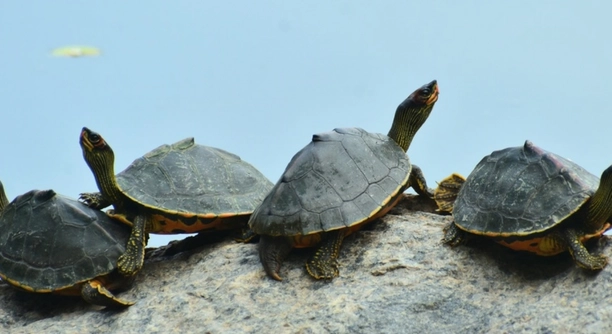
The Indian Roofed Tortoise is a unique species, admired for its distinct shell pattern and design. However, certain factors can cause deformities in its shell, leading to health concerns. Understanding these causes is crucial for their well-being.
Several factors contribute to shell deformities in Indian Roofed Tortoises, including poor diet, improper habitat conditions, inadequate UVB lighting, and physical injury. Stress, lack of exercise, and genetic predisposition can also play a role in shell malformation.
Proper care and attention to these factors can prevent issues and promote a healthy, well-formed shell. Understanding these causes ensures you are providing the best environment for your tortoise’s long-term health.
Poor Diet and Nutrient Deficiencies
A poor diet is one of the most common reasons for shell deformities in Indian Roofed Tortoises. These tortoises need a balanced diet that includes high-fiber, calcium-rich foods such as leafy greens, vegetables, and some fruits. Without the proper nutrients, their shells may grow unevenly or become soft and weak, leading to deformities. Inadequate calcium intake is particularly harmful as it affects the shell’s structure and strength. It’s essential to ensure that your tortoise gets the right amount of vitamins and minerals to prevent nutritional deficiencies that can lead to deformities.
Providing a varied diet, including calcium and Vitamin D3, is necessary to keep your tortoise’s shell in good condition. Without it, your tortoise might experience growth issues and shell damage.
If you suspect a nutrient deficiency in your tortoise, consult a veterinarian to assess its diet and recommend any needed supplements. A proper feeding plan, including calcium supplements and UVB exposure, is crucial for healthy shell development and overall well-being.
Improper Habitat Conditions
Tortoises require a specific environment to thrive. If the habitat is too hot, too cold, or lacks humidity, it can negatively affect their shell growth. An improper temperature range can slow their metabolism, leading to abnormal shell growth. Similarly, low humidity can cause dehydration, which might result in soft or malformed shells.
To provide an ideal habitat, keep the temperature between 85°F and 90°F during the day, with a basking area that is slightly warmer. The humidity level should be maintained around 60% to 80%. Ensuring your tortoise’s habitat is properly set up will reduce the risk of shell issues.
Lack of UVB Lighting
UVB lighting is crucial for tortoises. Without proper UVB exposure, they cannot synthesize Vitamin D3, which is needed to absorb calcium. This deficiency can result in weak shells and bone deformities. Providing a UVB light that mimics natural sunlight will ensure your tortoise gets the proper vitamin synthesis.
The absence of UVB lighting leads to shell and skeletal issues. It’s important to place the UVB light close enough to your tortoise to mimic natural conditions. Tortoises need UVB for proper calcium metabolism, which directly affects shell growth. A proper lighting system, paired with a varied diet, will keep your tortoise healthy.
UVB lights should be replaced regularly to ensure their effectiveness. Over time, the intensity decreases even if the light still appears to be on. Ensure that the UVB bulb is positioned at the right distance, usually within 10-12 inches of your tortoise, for maximum benefit. It is crucial to keep the lighting schedule consistent to promote healthy growth.
Stress and Lack of Exercise
Stress can have a significant impact on the health of your tortoise, including its shell development. If your tortoise feels threatened or is confined to a small space without room to roam, it can lead to stress. This stress can hinder proper growth and cause deformities in the shell.
Tortoises require exercise to stay active and healthy. A spacious enclosure allows them to move freely, strengthening their muscles and encouraging natural behaviors. A lack of exercise can lead to weak shells or poor growth, as the tortoise isn’t getting the physical stimulation needed to stay healthy.
To avoid this, ensure that your tortoise has an adequately sized habitat. A larger area encourages natural movement, which in turn supports healthy shell and muscle development. Avoid overcrowding or loud environments that could cause stress. Keeping their environment peaceful and spacious helps maintain their well-being.
Genetic Factors
Genetics can also play a role in shell deformities. Some tortoises are naturally predisposed to shell malformations due to their genetic makeup. These issues can result in abnormal shell growth patterns or even soft, weakened shells that are more prone to injury.
If a tortoise has a genetic predisposition to shell deformities, it’s essential to monitor its growth closely. Proper care can still help prevent the worsening of deformities, but genetics may limit some of the desired outcomes.
Physical Injury
Tortoises can suffer shell injuries from accidental falls or being attacked by predators. These injuries can result in cracks or deformities if not treated properly. A fractured shell can deform over time if not addressed quickly and correctly.
Immediate veterinary care is essential for treating shell injuries. A veterinarian can help stabilize the tortoise and guide you through proper treatment. Depending on the severity, shell repairs may involve using specific materials to mend cracks or fractures, and in some cases, surgical intervention may be required.
FAQ
What are the signs of shell deformities in Indian Roofed Tortoises?
Shell deformities can appear in various forms. Common signs include uneven shell growth, soft or brittle areas, cracks, and abnormal shapes. A healthy tortoise’s shell should be smooth, firm, and symmetrical. If you notice irregularities such as lumps, dips, or a soft texture, it could be an indication of deformity.
How can I prevent shell deformities in my tortoise?
Preventing shell deformities starts with proper care. Ensure your tortoise has a balanced diet with adequate calcium and vitamin D3, proper UVB lighting, and a spacious habitat. Keep their environment stress-free, and monitor their health regularly. With these practices, you can significantly reduce the risk of deformities.
Can shell deformities be fixed?
In some cases, minor shell deformities can be corrected with proper care and treatment. If the deformity is due to nutrition or environmental issues, addressing these factors early on can help prevent further damage. However, severe deformities may require professional veterinary intervention, and complete restoration may not always be possible.
What should I feed my tortoise to prevent shell deformities?
A well-rounded diet is crucial for shell health. Provide a variety of leafy greens, such as kale and collard greens, along with other vegetables like squash and bell peppers. Avoid feeding too much fruit, as it can lead to imbalance. Calcium-rich foods like dandelion greens and calcium supplements are important to maintain shell strength.
How much UVB light does my tortoise need?
Tortoises require about 10-12 hours of UVB light daily to properly synthesize vitamin D3. Ensure that your UVB light is positioned close to the tortoise, typically within 10-12 inches, and replace the bulb every 6 months as its UVB output decreases over time.
What temperature should my tortoise’s habitat be?
A temperature range between 85°F and 90°F during the day is ideal for most tortoises. Create a basking area that is slightly warmer, around 95°F, where your tortoise can regulate its body temperature. At night, the temperature can drop to about 70°F to provide a natural day-night cycle.
Can stress cause shell deformities?
Yes, stress can significantly impact a tortoise’s shell development. Stressful conditions, such as overcrowding, excessive handling, or poor habitat conditions, can hinder growth and cause deformities. A calm and spacious environment with minimal disruptions is key to maintaining the tortoise’s health and shell integrity.
Is it safe to let my tortoise roam outside?
Letting your tortoise roam outside can be beneficial, but it must be done with caution. Ensure the area is safe from predators and harmful plants. The environment should be secure, with no risk of escape or injury. Always supervise your tortoise when outside to prevent accidents.
How do I know if my tortoise has a calcium deficiency?
Signs of calcium deficiency in tortoises include soft or deformed shells, weak limbs, and irregular growth patterns. If you notice these signs, consult a veterinarian for guidance. You may need to adjust the diet or add calcium supplements to correct the deficiency.
Can poor lighting cause shell deformities?
Yes, improper lighting, especially the absence of UVB light, can lead to shell deformities. UVB light is essential for the absorption of calcium, and without it, tortoises are at risk of metabolic bone disease, which causes weak or deformed shells. Always provide proper UVB lighting to prevent these issues.
What is metabolic bone disease, and how does it affect my tortoise?
Metabolic bone disease (MBD) is a condition caused by a lack of proper calcium, vitamin D3, or UVB light, which affects the tortoise’s ability to absorb calcium. This can result in soft, brittle shells, weak bones, and difficulty moving. MBD is preventable with proper diet, UVB lighting, and a healthy environment.
How often should I check my tortoise’s shell?
You should check your tortoise’s shell regularly, ideally once a week, to ensure there are no signs of deformity, injury, or infection. Look for cracks, softness, or any uneven growth. Early detection of issues can help prevent further complications and ensure your tortoise stays healthy.
Can I treat shell injuries at home?
For minor injuries, you can clean the shell with warm water and apply a mild antiseptic. However, severe injuries, such as deep cracks or fractures, should be treated by a veterinarian. Shell injuries can lead to infection, so timely professional care is essential for proper healing.
What are the best substrates for my tortoise’s habitat?
The best substrates for your tortoise’s habitat include coconut coir, orchid bark, or a mixture of soil and sand. These substrates retain moisture, help with humidity levels, and allow for natural digging behavior. Avoid substrates that can cause injury, such as gravel or small pebbles.
How do I treat a soft shell?
A soft shell can be a sign of calcium deficiency or metabolic bone disease. Ensure your tortoise has access to proper UVB lighting and calcium-rich foods. If the shell remains soft despite diet changes, a visit to the vet is necessary for further evaluation and treatment.
Can I use a heat lamp instead of UVB lighting?
Heat lamps are necessary for maintaining the correct temperature but cannot replace UVB lighting. UVB lighting provides the necessary rays for tortoises to process calcium and maintain healthy bone and shell growth. Make sure both a heat lamp and UVB light are provided in the habitat.
Final Thoughts
Shell deformities in Indian Roofed Tortoises can arise from a variety of causes, including diet, improper care, and genetics. These deformities can affect the tortoise’s overall health and quality of life, making early detection and intervention crucial. Monitoring their environment, ensuring a balanced diet, and providing proper lighting and temperature can go a long way in preventing such issues. If deformities do occur, it’s important to act quickly and seek professional help to manage and treat the condition. Regular check-ups with a veterinarian can help identify potential problems before they become severe.
While genetics can contribute to some shell deformities, many cases are preventable with the right care. By maintaining a proper diet rich in calcium and vitamin D3, providing appropriate UVB lighting, and ensuring the habitat is free from stressors, owners can support the tortoise’s health. It’s also essential to monitor the tortoise’s behavior and appearance regularly. If a deformity or injury is noticed, seeking veterinary assistance promptly can help mitigate further complications. The key is to create an environment that promotes healthy growth and development, preventing deformities before they can affect the tortoise’s shell.
Shell deformities are not always reversible, but with proper care and attention, many tortoises can live happy, healthy lives even if they develop minor issues. The most important factors in preventing and managing shell deformities are consistency and knowledge. With the right approach, owners can ensure their tortoises thrive, maintaining strong, healthy shells and overall well-being. It’s crucial to always be aware of any changes in your tortoise’s condition and seek professional help when necessary to keep them in the best health possible.

Hello,
If you enjoy the content that we create, please consider saying a "Thank You!" by leaving a tip.
Every little bit helps us continue crafting quality advice that supports the health, happiness, and well-being of pets around the world, for pets of all shapes, sizes, and species.
We really appreciate the kindness and support that you show us!