
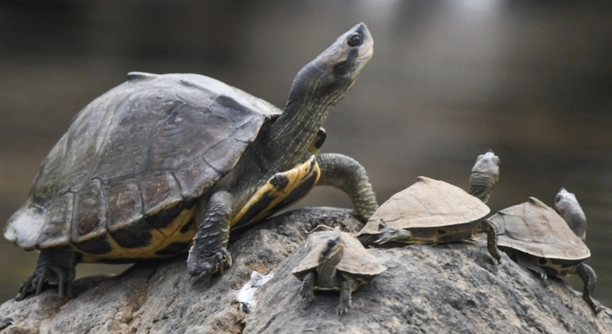
Creating a natural-looking tank for your Indian Roofed Tortoise enhances its well-being. The right setup can mimic their natural environment, making it easier for them to thrive and feel comfortable in their space.
To create a more natural-looking habitat, focus on adding natural materials such as rocks, wood, and plants. Ensuring proper lighting, temperature, and humidity is essential, as it helps replicate the tortoise’s native environment and promotes healthy behavior.
There are simple ways to make your tortoise’s enclosure feel more like home. Each element plays a role in creating a balanced and natural space for your pet.
Choosing the Right Substrate
The substrate in your tortoise’s tank is one of the most important elements for a natural setup. Sand, soil, or a mix of both is ideal, as it mimics the ground they would encounter in the wild. You can also add a small layer of leaves for a more authentic feel. This helps maintain humidity and gives your tortoise a more comfortable environment.
Ensure the substrate is deep enough for burrowing. Indian Roofed Tortoises love to dig and hide, which can be beneficial for their mental and physical health. It also promotes a more natural lifestyle, mimicking the environments they would explore in the wild.
The substrate should be changed regularly to avoid the growth of harmful bacteria. If the tank starts to smell, it’s a sign that the substrate needs cleaning. Replacing the substrate every few months helps keep your tortoise’s tank clean and fresh while maintaining a natural appearance. Choosing a high-quality, safe material can make a big difference in both the look and health of the enclosure.
Adding Rocks and Wood
Incorporating rocks and wood gives your tortoise tank a natural feel. Rocks create hiding spots, while wood can serve as climbing structures.
Rocks and pieces of driftwood mimic the environment Indian Roofed Tortoises would typically live in. Wood can be used as basking platforms and shelters, providing different areas for your tortoise to explore. The combination of natural elements adds texture and visual interest to the tank.
Additionally, consider placing rocks near the water area for easy access to drinking water or even bathing. You can also arrange larger rocks to create a natural-looking backdrop. Be mindful of sharp edges or small rocks that may be ingested. You want these pieces to enhance the tank’s natural appearance while also ensuring safety for your tortoise. The right combination of rocks and wood can make a big difference in both aesthetics and function.
Including Plants for Natural Shelter
Adding plants to the tank makes it look more natural while offering your tortoise shelter. Use non-toxic, sturdy plants like succulents or grasses. These create a comfortable environment and help maintain humidity. Make sure the plants are well-secured, so your tortoise doesn’t accidentally damage them.
Live plants, along with rocks and wood, can act as hiding spots for your tortoise. The foliage also offers a sense of security and can stimulate exploration. Choose plants that are safe for reptiles and can tolerate the temperature and humidity in the tank. A mixture of real and artificial plants can be used if needed.
Incorporating plants also allows your tortoise to mimic natural behaviors like foraging. Be mindful of the plant’s care needs. Some require specific lighting conditions or watering schedules. Keeping plants healthy ensures they contribute to both the tank’s appearance and your tortoise’s well-being. Plants can serve as natural hiding spots and enhance the overall look of the enclosure.
Providing Proper Lighting
Lighting is a key element for a more natural environment. Your tortoise needs UVB light to help with calcium absorption and overall health. Natural sunlight can be great, but artificial UVB lights work well for maintaining proper lighting in their tank.
In addition to UVB lighting, heat lamps should be used to maintain the temperature range your tortoise requires. This provides a basking area that replicates the warmth of the sun. By setting up a heat gradient, you can create warmer areas for basking and cooler zones for resting, just like in their natural habitat.
To ensure the temperature and light are just right, monitor the tank regularly. Tortoises need proper basking temperatures of around 90°F to 95°F and cooler spots around 75°F. A reliable thermometer and UVB lamp will help maintain these levels, keeping the tank a healthy, natural space for your tortoise.
Adding a Water Source
A water dish or small pool can greatly enhance your tortoise’s habitat. It not only provides hydration but also adds a natural touch to the tank. Make sure the water is shallow enough to prevent drowning, yet large enough for soaking.
The water dish should be cleaned regularly to avoid bacterial growth. A shallow pool allows your tortoise to bathe and drink comfortably. You can add rocks or small stones inside the water dish to give it a more natural look and prevent the tortoise from accidentally tipping it over.
Ensuring Proper Humidity
Humidity is an important factor in creating a natural habitat. Indian Roofed Tortoises thrive in moderately humid conditions, so maintaining proper humidity levels is key to their health.
Humidity levels should be monitored using a hygrometer to ensure the enclosure remains between 60-80%. You can increase humidity by misting the tank or placing a humidifier nearby. Make sure there are areas of the tank with different humidity levels, giving your tortoise the option to move to a more comfortable zone.
FAQ
How often should I clean my Indian Roofed Tortoise tank?
Cleaning the tank should be done at least once a week, but spot cleaning can be done more frequently. Remove waste and uneaten food daily to keep the tank fresh. Every few months, replace the substrate completely to prevent bacteria build-up and ensure a healthy environment for your tortoise. If the water dish gets dirty, clean it immediately to prevent contamination. Regular cleaning will keep the tank looking natural and ensure your tortoise stays healthy.
What substrate is best for an Indian Roofed Tortoise tank?
A mixture of sand and soil is ideal. You can also add leaves or coconut fiber to increase humidity. The substrate should be deep enough for your tortoise to burrow comfortably. Avoid using fine sand that could be ingested in large amounts, leading to potential health issues. A mix of organic material works well because it retains moisture and allows for natural behavior, such as digging and burrowing. Make sure to choose a non-toxic, safe option to ensure the safety of your tortoise.
Can I use artificial plants in my tortoise tank?
Yes, artificial plants can be used in your tortoise tank. They’re easy to maintain and can add a natural look without the effort required to care for live plants. However, make sure the plants you choose are sturdy and won’t be easily knocked over by your tortoise. Artificial plants can be a good alternative if live plants don’t thrive in the tank’s environment, or if you prefer low-maintenance options. They should still be placed in a way that offers your tortoise hiding spots or climbing opportunities.
Do I need a special light for my tortoise?
Yes, providing UVB lighting is essential for your tortoise’s health. UVB light helps them synthesize vitamin D3, which is necessary for calcium absorption. A UVB light bulb should be used for about 10-12 hours a day. Additionally, a heat lamp is needed to create a basking area, which should reach temperatures around 90°F to 95°F. Make sure to replace UVB bulbs every 6 months, as their effectiveness decreases over time. You can also use natural sunlight, but artificial lighting helps maintain consistency.
How do I maintain the right humidity in the tank?
Humidity is key for your tortoise’s comfort. Keep the humidity level between 60% and 80%. You can use a hygrometer to monitor the levels accurately. If the tank is too dry, mist it lightly once a day or use a humidifier. Adding plants and a water source can also help maintain humidity naturally. However, avoid making the tank too damp, as it can cause mold growth or affect the tortoise’s health. Offering areas of varying humidity levels allows your tortoise to regulate its environment.
How much space does my tortoise need in its tank?
Indian Roofed Tortoises need a spacious tank to move around freely. A minimum of a 40-gallon tank is recommended for a single tortoise, but bigger is always better. A larger space allows for a more natural setup, with areas for hiding, basking, and foraging. If you plan to house more than one tortoise, the tank size should increase accordingly. A bigger tank also gives you more flexibility to add different elements like plants, rocks, and climbing areas to make the environment feel more natural.
What kind of food should I provide?
Indian Roofed Tortoises are primarily herbivores. Their diet should include leafy greens like dandelion greens, kale, and collard greens. You can also offer flowers, grasses, and some fruits in moderation. Make sure to provide variety to ensure they get a wide range of nutrients. Avoid feeding them high-oxalate foods like spinach, which can affect calcium absorption. It’s also important to provide a calcium supplement to prevent shell deformities. Fresh water should always be available for drinking and soaking.
Can I use rocks and wood in the tank?
Yes, rocks and wood are excellent additions to your tortoise’s habitat. They provide hiding places, climbing spots, and basking platforms, all of which mimic natural environments. Be sure that the rocks are smooth and free from sharp edges to avoid injury. Wood pieces should be securely placed, as your tortoise might try to climb or hide under them. Both elements can also help with creating a more natural appearance and improving the overall environment, making it a comfortable place for your tortoise to thrive.
Should I use a substrate heater in the tank?
A substrate heater is not typically necessary unless the temperature in the tank drops below the recommended range. Indian Roofed Tortoises require a warm environment with a temperature gradient, allowing them to move between warmer and cooler areas. If the room temperature is stable and you provide a heat lamp, you likely won’t need a substrate heater. However, if you live in a cooler climate or find it hard to maintain the right temperatures, a heat mat under the substrate can provide extra warmth. Just ensure it doesn’t make the substrate too hot.
What’s the ideal temperature range for an Indian Roofed Tortoise tank?
The ideal temperature for an Indian Roofed Tortoise’s tank is around 75°F to 85°F in the cooler areas and 90°F to 95°F in the basking spot. This temperature range mimics the warm climates they come from. Using a heat lamp can create a basking area at the higher temperatures, while other areas of the tank should be cooler to allow your tortoise to regulate its body heat. Make sure to avoid sudden temperature fluctuations, as they can cause stress to your tortoise. Regularly monitor the temperatures with a thermometer.
Final Thoughts
Creating a natural-looking environment for your Indian Roofed Tortoise doesn’t have to be complicated. The key is to focus on adding the right elements that mimic their natural habitat. Using natural materials such as rocks, wood, and plants can enhance the look of the tank while providing your tortoise with plenty of space to explore. Additionally, making sure the tank has the proper lighting, humidity, and temperature will help maintain a healthy environment for your tortoise to thrive in. Simple changes like these can have a big impact on your tortoise’s well-being.
While setting up a natural habitat is important, it’s equally essential to maintain it properly. Regular cleaning, monitoring humidity, and ensuring the temperature stays consistent will keep the environment comfortable and healthy. Don’t forget to check that all the elements, from the substrate to the water source, are safe and suitable for your tortoise. It’s also crucial to replace things like substrate and plants when necessary to avoid any issues with bacteria or mold. Small adjustments over time will help you keep the tank in optimal condition.
A little effort can go a long way in making your Indian Roofed Tortoise’s tank feel like home. By adding natural features and paying attention to the essentials, you can provide a comfortable, secure, and stimulating environment. Not only will your tortoise benefit from this setup, but it will also make the tank more visually appealing and easier to care for. With the right balance of natural elements and proper maintenance, your tortoise will feel right at home in its new space.

Hello,
If you enjoy the content that we create, please consider saying a "Thank You!" by leaving a tip.
Every little bit helps us continue crafting quality advice that supports the health, happiness, and well-being of pets around the world, for pets of all shapes, sizes, and species.
We really appreciate the kindness and support that you show us!