
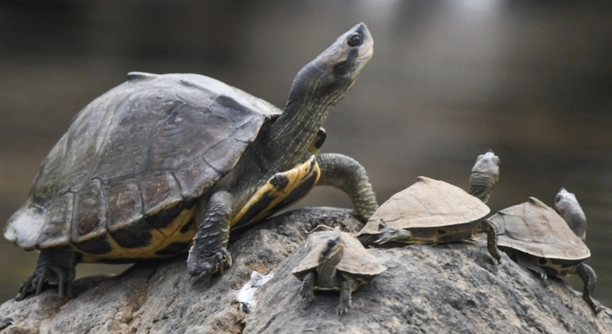
Indian Roofed Tortoises are fascinating creatures, but there are many misconceptions surrounding them. Understanding the truth about these reptiles can help provide better care and ensure they thrive in captivity.
Several myths about Indian Roofed Tortoises are common, ranging from their diet to their lifespan. These misconceptions can lead to improper care and confusion among pet owners. It is essential to clarify the facts to ensure their well-being.
Knowing the real facts will help improve your understanding and care for these unique tortoises. This guide will clear up common myths and provide you with the necessary information.
Myth 1: Indian Roofed Tortoises Can Live in Any Environment
Indian Roofed Tortoises are often thought to thrive in any environment. While they are adaptable, they require specific conditions to stay healthy. These tortoises need a warm, humid environment with access to sunlight. Without these elements, they can become stressed, leading to health problems.
A suitable habitat includes a spacious enclosure with both a basking area and shaded zones. The temperature should remain between 75°F and 90°F, with a humidity level of 60-80%. Without these conditions, the tortoise may have trouble with digestion, shedding, or overall vitality.
Providing the right environment is critical. A well-maintained habitat ensures the tortoise’s health, longevity, and happiness. By understanding their needs, you can create a space that replicates their natural habitat, offering them the best chance for a thriving life.
Myth 2: Indian Roofed Tortoises Only Eat Plants
Many believe that Indian Roofed Tortoises eat only plants, but their diet is more varied. While they are primarily herbivores, they also benefit from protein-rich food sources, such as insects or occasional animal matter. A balanced diet is necessary for optimal growth and health.
Feeding them only plants can lead to nutritional deficiencies. Adding variety to their meals, including dark leafy greens, flowers, and occasional protein, helps them stay healthy. A varied diet also mirrors what they would naturally eat in the wild, where they may consume small insects and other protein sources along with vegetation.
Incorporating a range of foods prevents potential health issues and ensures they receive all necessary nutrients. Offering a variety of plant-based foods, supplemented with protein, guarantees that they are not only full but also receiving the right nutrients.
Myth 3: Indian Roofed Tortoises Don’t Need Regular Exercise
Some believe that Indian Roofed Tortoises do not require much exercise. However, these tortoises are naturally active and need plenty of space to move around. Regular movement is essential to maintain their health and prevent obesity or joint issues.
An enclosed area where they can roam and explore is important. Setting up a larger space or letting them explore safely outdoors will allow them to engage in the physical activity they need. Without this, they can become sedentary, leading to various health problems, including poor digestion.
Providing opportunities for exercise is crucial for their well-being. Ensuring they get enough movement not only keeps them fit but also helps mimic the natural activities they would engage in. Offering variety in their daily environment encourages active behavior, promoting a longer, healthier life.
Myth 4: Indian Roofed Tortoises Only Need Water for Drinking
Indian Roofed Tortoises are often thought to only need water for drinking, but they also require access to a shallow water dish for soaking. This helps with hydration and can aid in shedding.
Allowing them to soak in water also helps with regulating body temperature. The water should be shallow enough for them to walk in but not deep enough to cause drowning. They may also benefit from occasional water baths if they show signs of dehydration or difficulty shedding.
Regular access to water encourages healthy shedding and prevents skin problems. It’s important to monitor their hydration closely, especially during warmer months. Providing proper soaking opportunities ensures that they stay hydrated and comfortable, reducing stress and maintaining healthy skin.
Myth 5: Indian Roofed Tortoises Are Low-Maintenance Pets
Indian Roofed Tortoises are often considered low-maintenance, but they require regular care. Their needs extend beyond just feeding and cleaning. Maintaining a proper environment, including temperature and humidity, is crucial for their well-being.
Neglecting any aspect of their care, whether it’s diet, habitat, or exercise, can lead to health problems. They also need social interaction and mental stimulation to stay happy. Proper care requires time, attention, and a commitment to providing the best conditions for them to thrive.
Myth 6: Indian Roofed Tortoises Don’t Live Long in Captivity
Contrary to popular belief, Indian Roofed Tortoises can live for many years in captivity with the right care. While their lifespan may be shorter in the wild due to predators and environmental factors, they can thrive for 50 years or more in a controlled environment.
To ensure a long, healthy life, they require a balanced diet, proper habitat, and regular medical check-ups. With attention to their needs, these tortoises can enjoy a long life, becoming a cherished companion for decades.
Myth 7: Indian Roofed Tortoises Are Easy to Breed
Breeding Indian Roofed Tortoises is not as simple as many think. Successful breeding requires specific environmental conditions, including temperature and humidity control, as well as proper nutrition. Additionally, it is important to monitor their health closely throughout the process.
FAQ
How often should I feed my Indian Roofed Tortoise?
Indian Roofed Tortoises should be fed every day or every other day, depending on their age and size. Young tortoises need to eat daily, while adults can be fed every two days. A varied diet is essential, including leafy greens, fruits, and occasional protein sources like insects.
Can I feed my Indian Roofed Tortoise vegetables from my garden?
Yes, you can feed them vegetables from your garden, but be sure to avoid using pesticides or chemicals. It’s essential to wash the vegetables thoroughly before offering them to ensure they are free of contaminants. Avoid high-oxalate vegetables, like spinach, which can lead to health issues when fed frequently.
Do Indian Roofed Tortoises need UVB light?
Yes, Indian Roofed Tortoises need UVB light to metabolize calcium and maintain strong bones. UVB rays mimic sunlight, which they would naturally get in the wild. Providing a UVB light for 10-12 hours a day is essential for their overall health, especially if they are kept indoors.
What type of substrate is best for my tortoise’s enclosure?
A good substrate for an Indian Roofed Tortoise’s enclosure is one that allows for easy burrowing and helps maintain humidity levels. Options like coconut coir, aspen shavings, or cypress mulch are ideal. Avoid using sand or gravel, as they can cause digestive problems if ingested.
How can I keep my Indian Roofed Tortoise hydrated?
Providing a shallow water dish for your tortoise to soak in is essential for hydration. The water should be changed daily to prevent bacterial growth. In addition to drinking water, you can offer watery vegetables like cucumber or melon to help with hydration.
Do Indian Roofed Tortoises need a basking spot?
Yes, Indian Roofed Tortoises need a basking spot where they can warm up. The basking area should be kept between 90°F and 95°F. Tortoises need warmth for digestion, and a proper basking area helps them regulate their body temperature effectively.
Are Indian Roofed Tortoises social animals?
Indian Roofed Tortoises are not highly social, but they can tolerate the presence of other tortoises when given enough space. They may interact with each other, especially during mating season, but they are generally solitary creatures. Provide enough room in their enclosure to reduce stress from overcrowding.
What is the lifespan of an Indian Roofed Tortoise?
Indian Roofed Tortoises can live for up to 50 years in captivity when properly cared for. Their lifespan can vary depending on factors such as diet, living conditions, and overall health. With good care, they can be long-lived companions.
Do Indian Roofed Tortoises hibernate?
Indian Roofed Tortoises do not hibernate in the traditional sense, but they may experience a period of dormancy in colder climates. This typically happens during the winter months. It’s important to maintain a stable temperature for them during this time, as they may reduce their activity levels but still need access to food and water.
How do I breed Indian Roofed Tortoises?
Breeding Indian Roofed Tortoises requires careful attention to environmental conditions. You will need a temperature of 80-85°F and a humidity level of around 70%. The tortoises should be fed a balanced diet with a high calcium content. Keep in mind that breeding should only be attempted by experienced tortoise keepers due to the complexities involved.
What are the signs of illness in Indian Roofed Tortoises?
Signs of illness in Indian Roofed Tortoises include loss of appetite, lethargy, wheezing, nasal discharge, swollen eyes, and abnormal shedding. If you notice any of these symptoms, it’s important to consult a veterinarian who specializes in reptiles. Early detection and treatment can prevent further complications.
Can Indian Roofed Tortoises live with other pets?
Indian Roofed Tortoises should not be kept with other pets, especially predatory animals. They can become stressed or injured if housed with other species, such as dogs, cats, or larger reptiles. It’s important to provide a safe and calm environment for them to thrive.
How do I clean my tortoise’s enclosure?
Cleaning your tortoise’s enclosure should be done regularly. Remove any uneaten food, waste, and debris daily. Clean the water dish and replace the substrate every 4-6 weeks. Make sure to sanitize all surfaces and equipment with a reptile-safe cleaner to prevent bacterial growth.
Can I take my Indian Roofed Tortoise outside?
Yes, Indian Roofed Tortoises can be taken outside, but it’s essential to ensure the area is safe and secure. They should be kept in a fenced, sheltered area to prevent escape or exposure to predators. Make sure they have access to shade and fresh water when outdoors.
What is the ideal temperature for an Indian Roofed Tortoise?
The ideal temperature for an Indian Roofed Tortoise should be between 75°F and 90°F during the day. The basking spot should be slightly warmer, around 90°F to 95°F. At night, the temperature can drop to 70°F, but never below 65°F. Maintaining proper temperature regulation is crucial for their health.
Final Thoughts
Indian Roofed Tortoises are fascinating creatures that make for rewarding pets when properly cared for. These tortoises require more attention than they might seem at first glance, as they need a suitable environment, a balanced diet, and regular medical care. Their long lifespan means they are a long-term commitment, and providing them with the right conditions will ensure they thrive. While myths about their care might mislead new owners, understanding the true needs of these tortoises can help avoid common mistakes.
Their diet plays a significant role in their health, and it’s important to provide a variety of leafy greens, fruits, and occasional protein to ensure they receive all the necessary nutrients. Similarly, their habitat must be maintained at the right temperature and humidity levels. It’s also crucial to provide them with enough space to roam and explore, as well as hiding spots for privacy. Regular cleaning and access to fresh water will further contribute to their well-being.
With patience and the right resources, Indian Roofed Tortoises can live long, healthy lives in captivity. They are not as low-maintenance as some believe, but with the right commitment, they make for great companions. Owners should be prepared for the responsibilities that come with caring for these reptiles and seek guidance if they are unsure about any aspect of their care.

Hello,
If you enjoy the content that we create, please consider saying a "Thank You!" by leaving a tip.
Every little bit helps us continue crafting quality advice that supports the health, happiness, and well-being of pets around the world, for pets of all shapes, sizes, and species.
We really appreciate the kindness and support that you show us!