
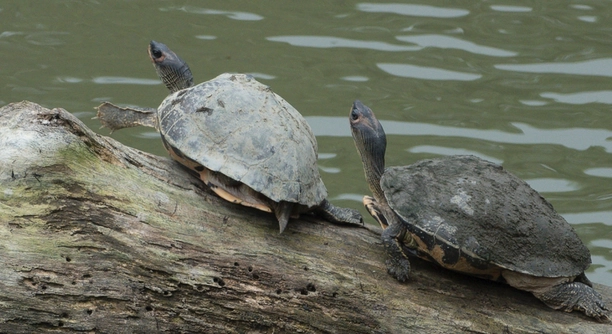
Your Indian Roofed Tortoise may be puffing out its neck, and it can be puzzling to see this behavior. It’s common for these tortoises to exhibit different movements, but understanding the reason can help you care for your pet better.
The puffing of the neck is usually a defensive or territorial behavior. It may also occur as a sign of excitement or stress, especially when the tortoise feels threatened or encounters unfamiliar situations.
Recognizing the triggers behind this behavior will help ensure that your tortoise remains comfortable and stress-free in its environment.
Understanding the Behavior Behind the Neck Puffing
The neck puffing behavior in Indian Roofed Tortoises is commonly linked to their natural instincts. In the wild, tortoises will puff out their necks as a defense mechanism when they feel threatened. This act makes them appear larger and more intimidating to predators. If your tortoise is puffing out its neck, it could be because it feels insecure or fearful in its environment. It may also happen if the tortoise is introduced to a new space, or if it detects a potential threat nearby, like another animal or even you.
In some cases, this behavior can be triggered by excitement. When interacting with its surroundings or sensing something new, the tortoise might feel a burst of energy and respond by puffing its neck. This could also happen during feeding times or if it’s anticipating something it enjoys.
A more common, less concerning reason for neck puffing is simply stress. Stress could arise from any number of factors, like sudden temperature changes, noise, or overcrowding in its enclosure. When tortoises are stressed, they will often react by puffing their necks as part of their instinctual response. This is usually a temporary reaction but should still be addressed to keep your pet comfortable and healthy.
When the Behavior Becomes Frequent
Frequent neck puffing could be a sign that something is off in your tortoise’s environment. If this behavior is happening often, it’s important to carefully review its living conditions. You’ll want to ensure that the temperature and humidity levels are appropriate for your pet’s species. Sometimes, incorrect settings or overcrowding can cause discomfort, leading to defensive behavior.
One of the most helpful steps is to give your tortoise enough space. Ensure the enclosure allows your pet to retreat to a quiet, safe place when it feels stressed. Providing hiding spots can make a big difference. Keeping the area peaceful, with minimal disruptions, will help reduce frequent neck puffing. Also, make sure that it isn’t sharing space with another tortoise or animal it perceives as a threat.
You might notice the behavior more if your tortoise feels it has to compete for resources like food or space. If that’s the case, separating them into individual enclosures can help alleviate stress.
Adjusting the environment can lead to noticeable improvements. Once your tortoise feels more secure, the behavior should decrease, leaving you with a more relaxed and healthy pet.
Handling Stress and Anxiety in Your Tortoise
Stress is a common reason for neck puffing. If your tortoise is constantly exposed to loud noises or a hectic environment, it may react by puffing its neck to feel protected. Keeping the enclosure in a quiet, calm area is essential for reducing anxiety.
Another way to reduce stress is by making sure your tortoise has enough privacy. Tortoises naturally prefer solitude and may feel threatened if they can’t find a safe spot to retreat. You can add shelters, rocks, or plants to the enclosure to help them feel more secure. Also, avoid handling them too much, as excessive interaction can add stress.
Try to keep interactions calm and predictable. A regular feeding schedule and peaceful, low-traffic surroundings will help your tortoise feel more at ease. It’s essential to be patient and allow your pet to adjust at its own pace. This will help lower its stress levels and reduce neck puffing.
The Role of Diet in Tortoise Behavior
Sometimes, diet can play a role in unusual behaviors. If your tortoise isn’t eating enough or is given foods it doesn’t like, it may react by puffing its neck. You should ensure that its diet is varied and nutritious. A balanced diet can promote good health, keeping your tortoise content.
A proper diet helps maintain the tortoise’s energy levels and prevents irritability. This includes leafy greens, vegetables, and small amounts of fruit. You should also make sure your tortoise has access to fresh water at all times. If your tortoise is regularly fed a nutritious diet, it will be less likely to show signs of discomfort or stress, such as neck puffing.
A lack of proper nutrition can cause your tortoise to become weak or irritable. It might also lead to digestive issues, which may add to the stress your tortoise feels. Offering the right foods can help calm down its behavior and allow it to thrive.
Environmental Factors That Affect Your Tortoise
The environment plays a huge role in your tortoise’s behavior. Temperature and humidity levels should be checked regularly. If these factors are off, your tortoise might puff its neck out of discomfort. Make sure your enclosure stays within the recommended range for its species.
Poor lighting can also affect behavior. Tortoises need natural sunlight or a proper UVB light source to stay healthy. Without adequate lighting, they may become stressed or lethargic. Ensure that your tortoise gets enough UVB exposure for a healthy shell and overall well-being.
Social Interactions and Territorial Behavior
Indian Roofed Tortoises can become territorial, especially with other tortoises. If you have more than one, they might compete for space, food, or attention, causing stress. Keeping them separated can reduce tension and prevent neck puffing.
Even without other tortoises, your pet may display territorial behavior toward new objects or changes in its environment. If it feels its space is being invaded, it could respond with neck puffing to assert dominance or protect its territory. Keeping its space undisturbed helps minimize this behavior.
Health Issues to Consider
If neck puffing becomes excessive or is accompanied by other signs of distress, it’s worth checking for health issues. Respiratory problems or infections can cause discomfort, which may make your tortoise puff its neck. A visit to the vet can help rule out underlying medical concerns.
FAQ
Why does my Indian Roofed Tortoise puff out its neck?
Neck puffing in Indian Roofed Tortoises is often a sign of defense, territorial behavior, or stress. When they feel threatened, they might puff their neck to appear larger and more intimidating. This behavior is a natural instinct to protect themselves from potential danger. It can also happen when they feel excited, such as when they are anticipating food, or if they’re in an unfamiliar environment. Stress from changes in their habitat or interactions with other animals might trigger this response. It’s essential to monitor their environment and behavior to identify any potential causes for the puffing.
Is it normal for my tortoise to puff out its neck frequently?
While occasional neck puffing is normal, frequent puffing can indicate ongoing stress or discomfort. If this behavior happens often, you might want to evaluate your tortoise’s living conditions. Check for environmental factors like temperature, humidity, and lighting. Also, assess if your tortoise has enough space and privacy to feel secure. Frequent neck puffing could also result from social stress, especially if your tortoise is housed with other animals or tortoises. In these cases, separating them or creating a more peaceful environment might reduce the behavior.
How can I reduce neck puffing in my tortoise?
To reduce neck puffing, first ensure that your tortoise’s environment is calm and comfortable. Maintain proper temperature and humidity levels, and provide a safe, quiet space where your tortoise can retreat when it feels threatened. Adding hiding spots, like rocks or plants, will help make the environment feel more secure. Also, try to minimize handling, especially if your tortoise shows signs of stress. Reducing potential threats, such as loud noises or new animals, can also make a significant difference in reducing the frequency of neck puffing.
What should I do if my tortoise puffs out its neck when I approach?
If your tortoise puffs its neck when you approach, it could be a sign of fear or territorial behavior. Approach slowly and calmly to avoid startling it. Make sure your tortoise has enough space to feel comfortable in its enclosure. If it’s stressed by your presence, consider reducing the frequency of your interactions and allowing your tortoise to adjust to its environment at its own pace. Over time, it should become more accustomed to you and less likely to puff its neck when you approach.
Can neck puffing be a sign of illness?
Neck puffing on its own is generally not a direct sign of illness, but it can sometimes accompany other symptoms of discomfort or distress. If your tortoise is puffing its neck and also showing signs of lethargy, loss of appetite, or respiratory issues, it could be a sign of an underlying health problem. Respiratory infections, for example, can cause difficulty in breathing and discomfort, leading to unusual behavior. In such cases, it’s important to take your tortoise to a vet for an evaluation to rule out any health concerns.
What other behaviors should I look out for to determine if my tortoise is stressed?
Besides neck puffing, common signs of stress in tortoises include excessive hiding, not eating, pacing, or making unusual movements. If your tortoise becomes overly aggressive, defensive, or stops eating regularly, it’s likely stressed. Sudden changes in behavior, such as refusing to come out of its shell, could indicate an issue. Pay attention to environmental factors, like temperature changes or overcrowding, as these can contribute to stress. If any of these signs persist, it may be worth consulting a vet to ensure your tortoise’s health and well-being.
Can other tortoises cause my tortoise to puff out its neck?
Yes, if you have multiple tortoises, competition for space or food can trigger neck puffing. Indian Roofed Tortoises, like many reptiles, can be territorial, and the presence of another tortoise might cause stress, especially if they feel their space is being invaded. To prevent this, consider providing separate enclosures or ensuring that each tortoise has its own space and resources. This will help reduce competition and minimize territorial behaviors like neck puffing. Observing their interactions can also help you identify any conflicts early on.
Is neck puffing a sign of aggression?
Neck puffing can sometimes be a sign of aggression, especially when your tortoise feels that its space or territory is being threatened. In this case, the tortoise may puff its neck and display defensive behavior to assert dominance or warn other animals. However, neck puffing can also occur when a tortoise feels nervous or overwhelmed, not just when it’s being aggressive. It’s important to observe the context in which the neck puffing occurs to better understand whether it’s a defensive or aggressive response.
Can temperature affect neck puffing in my tortoise?
Yes, temperature can influence neck puffing in tortoises. If the temperature in their enclosure is too high or too low, it can cause stress, leading to behaviors like neck puffing. Tortoises are cold-blooded and rely on the environment to regulate their body temperature. If they’re too cold or too hot, they may feel uncomfortable and react by puffing their neck. It’s crucial to maintain the proper temperature range for your tortoise’s species to keep them healthy and reduce stress-related behaviors.
Does the diet have an effect on my tortoise’s neck puffing?
Diet can play a role in your tortoise’s overall behavior. A poor diet or lack of proper nutrition can lead to irritability and stress, potentially contributing to neck puffing. Make sure your tortoise is receiving a balanced diet with appropriate vitamins and minerals. A proper diet supports their immune system, helps manage stress, and improves overall well-being. If your tortoise isn’t eating properly or has digestive issues, it may become more stressed and display defensive behaviors like neck puffing.
Final Thoughts
Understanding the reasons behind your Indian Roofed Tortoise puffing out its neck can help you address any underlying issues and provide better care for your pet. While it may seem alarming at first, neck puffing is usually a natural behavior driven by instinct. Whether it’s a defense mechanism, a sign of territoriality, or simply a response to stress or excitement, observing your tortoise closely can provide important clues about its needs.
If the behavior becomes frequent or seems connected to other signs of distress, it’s important to look into potential stressors in its environment. Tortoises are sensitive to changes, and factors such as temperature, lighting, or overcrowding can significantly impact their comfort levels. Providing a calm, well-maintained space with plenty of room for your tortoise to move around will help reduce stress and prevent excessive neck puffing. Keeping the enclosure clean, quiet, and free from disruptions will also contribute to a healthier, more content tortoise.
At the same time, diet plays a key role in maintaining your tortoise’s well-being. A proper, balanced diet will help your pet stay healthy and avoid unnecessary stress. If you notice changes in behavior that don’t seem to relate to environmental factors, it could be worth assessing its food intake. Regular vet checkups are also important to ensure that your tortoise isn’t suffering from any health conditions that could be contributing to the neck puffing. With the right care and attention, your tortoise can lead a happy and comfortable life, free from unnecessary stress.

Hello,
If you enjoy the content that we create, please consider saying a "Thank You!" by leaving a tip.
Every little bit helps us continue crafting quality advice that supports the health, happiness, and well-being of pets around the world, for pets of all shapes, sizes, and species.
We really appreciate the kindness and support that you show us!