
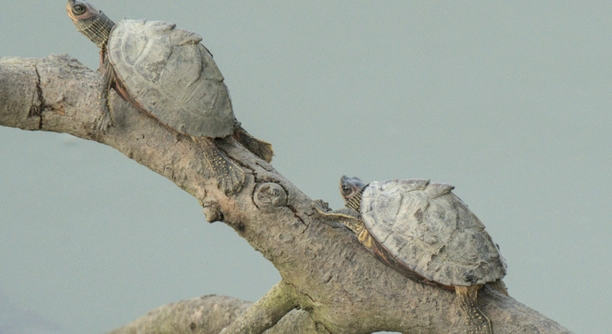
An underweight Indian Roofed Tortoise can be a cause for concern. Identifying its symptoms early helps ensure it gets the proper care it needs. Knowing the signs will allow you to address the issue effectively.
An underweight Indian Roofed Tortoise typically shows visible signs such as a sunken shell, rib prominence, or reduced energy. These symptoms may indicate poor diet, stress, or health problems, requiring immediate attention and corrective actions.
Taking action quickly can help your tortoise regain proper weight and thrive. With the right care, it can return to a healthy state.
Common Signs of an Underweight Indian Roofed Tortoise
An underweight Indian Roofed Tortoise can show several noticeable signs. A sunken shell is one of the most common symptoms. When the tortoise’s body weight is low, the shell may appear more pronounced or fragile. You may also notice its ribs more clearly, which should not be visible under normal conditions. Another sign is a lack of energy or lethargy. A healthy tortoise is active, so if it spends most of its time hiding or seems uninterested in moving, something could be wrong. If you observe these signs, it’s important to assess its care routine immediately.
Poor diet can lead to these symptoms. A lack of proper nutrition can prevent your tortoise from maintaining a healthy weight. Ensure its diet includes a variety of leafy greens, vegetables, and some fruits to support growth and overall health.
Environmental factors can also affect your tortoise’s weight. Make sure the enclosure has proper temperature and humidity levels. A habitat that is too cold or dry can contribute to poor health and an underweight condition.
Addressing the Issue
Dietary adjustments are the first step in addressing the issue. Offer a variety of nutritious food, such as dark leafy greens and edible flowers. Make sure you provide sufficient calcium to support its shell growth. It’s also essential to ensure the tortoise has access to fresh, clean water throughout the day. When your tortoise isn’t getting enough nutrients or hydration, it can lead to significant weight loss.
Providing an environment that mimics its natural habitat is also crucial. The enclosure should have an area for basking with proper lighting. If the tortoise doesn’t have the right temperature range, it will not be able to digest its food properly, leading to weight loss.
It’s also important to make sure your tortoise gets adequate exercise. Encourage movement by offering different textures, climbing structures, and hiding spots in the enclosure. Regular activity will help maintain healthy muscles and support overall well-being. A sluggish tortoise will not gain weight properly, even with a good diet.
What to Do if the Problem Persists
If the tortoise remains underweight despite these changes, consult a veterinarian. A professional can assess its overall health and check for underlying conditions such as parasites or infections. Sometimes, weight issues are caused by more than just diet or environment. Only a vet can provide a clear diagnosis and treatment plan.
Adjusting the Tortoise’s Habitat
A comfortable environment plays a crucial role in your tortoise’s weight. Temperature and humidity should closely resemble their natural habitat. Ensure the basking area is around 95°F (35°C) while the cooler side stays at 75°F (24°C). Humidity levels should be kept at 50-70% to prevent dehydration.
To achieve the correct environment, use a reliable thermostat to monitor temperatures. The basking spot should have a UVB light to mimic natural sunlight. UVB rays help tortoises absorb calcium, vital for bone and shell growth. Adjust humidity levels with a misting system or water dish. A healthy enclosure can directly impact the tortoise’s ability to maintain its weight.
Provide an area for your tortoise to burrow or hide as well. Tortoises feel more secure and active in an environment where they can hide when they feel stressed. This reduces anxiety, promoting better health and a stable weight. Make sure to clean the habitat regularly to prevent the spread of bacteria and maintain a healthy environment.
Optimizing Feeding Habits
Feeding the right variety of food is essential to helping your tortoise gain weight. Include a mix of leafy greens like kale, collard greens, and dandelion greens. These provide necessary vitamins and minerals. Add occasional fruits like strawberries or melon as a treat, but avoid sugary options.
Avoid feeding too many high-protein foods like animal products, as this can lead to an imbalance in their diet. Stick to foods that mimic their natural intake, ensuring they receive the right mix of fiber and vitamins. Some tortoises also benefit from occasional calcium supplements to maintain healthy shells.
Ensure your tortoise eats regularly by offering food in a quiet, stress-free environment. Tortoises are creatures of habit, and they will eat more if they feel secure. Make mealtime consistent, offering fresh food daily. It’s essential to monitor portion sizes to avoid overfeeding while ensuring they receive enough nutrients for healthy weight maintenance.
Monitoring Weight Progress
Regularly checking your tortoise’s weight helps track its recovery. Weigh it every few weeks to see if there’s steady improvement. Use a digital scale that can measure in grams for accuracy.
It’s important to weigh your tortoise at the same time of day, ideally in the morning, before it eats. This ensures consistency in your measurements. Keep a record of the weights so you can notice trends, especially if the weight remains stagnant or decreases. If progress slows, adjustments to diet or habitat may be necessary.
Veterinary Assistance
If the tortoise’s weight doesn’t improve despite dietary and environmental changes, consult a veterinarian. A vet can conduct tests to rule out infections, parasites, or other medical issues affecting its health. These problems often go unnoticed until they cause more severe symptoms.
A proper diagnosis is critical. Treating the underlying issue will allow your tortoise to regain its weight and health. A veterinarian can also provide recommendations for diet modifications, supplements, and habitat changes tailored to your tortoise’s specific needs. Ensuring proper medical care is essential for long-term health.
Hydration Importance
Dehydration can significantly impact your tortoise’s weight. Ensure fresh water is always available in the enclosure. Offer a shallow dish for drinking, as tortoises often prefer to soak. Proper hydration promotes digestion and helps maintain a healthy weight.
FAQ
How can I tell if my Indian Roofed Tortoise is underweight?
Look for signs like a sunken shell, visible ribs, or lack of energy. A healthy tortoise should have a smooth, slightly rounded shell, and you should not see its ribs easily. If it seems lethargic or doesn’t eat as much as usual, it could be underweight.
What should I feed my Indian Roofed Tortoise to help it gain weight?
Offer a mix of leafy greens such as collard greens, kale, and dandelion. You can also give them edible flowers like hibiscus. Occasionally, add fruits like strawberries or melon. Ensure they get enough fiber and avoid high-protein foods like meat or dairy.
How often should I weigh my Indian Roofed Tortoise?
Weigh your tortoise every two weeks. Doing this consistently will help track its weight changes. Use a digital scale to measure in grams and note the weight over time. This will help you determine if adjustments to diet or care are needed.
Can I give my tortoise supplements to help with weight gain?
Yes, calcium supplements are often beneficial for tortoises. They help strengthen the shell and bones. Be sure to consult with a vet about the proper dosage before adding any supplements to your tortoise’s diet. Over-supplementing can cause health problems.
What kind of environment is best for my tortoise to gain weight?
Maintain a basking spot at around 95°F (35°C) and a cooler side at 75°F (24°C). The humidity should be between 50-70%. Proper lighting, especially UVB light, is also crucial for digestion and calcium absorption, helping your tortoise gain and maintain weight.
How do I encourage my tortoise to eat more?
Make sure the food is fresh and free of contaminants. Place food in a quiet, safe space, as tortoises can be skittish and may not eat if they feel stressed. Also, try offering food at regular times to help establish a routine.
Can stress affect my tortoise’s weight?
Yes, stress can significantly impact your tortoise’s appetite and overall health. Ensure its environment is quiet, clean, and free from disturbances. Stress may also be caused by overcrowded enclosures, loud noises, or sudden changes in temperature, all of which can affect eating habits and weight.
How can I ensure my tortoise stays hydrated?
Provide a shallow water dish for drinking and soaking. Make sure the water is changed regularly and is always fresh. Tortoises often drink by soaking, so it’s important to keep the water clean to prevent any infections or bacteria buildup.
Is it okay to give my tortoise fruit every day?
Fruit should be given in moderation. While tortoises enjoy fruit, it’s high in sugar and can upset their digestive system if given too frequently. Limit fruit to once or twice a week to avoid overfeeding and ensure a balanced diet with enough fiber.
What are common health problems that could cause a tortoise to be underweight?
Infections, parasites, and digestive issues can cause a tortoise to lose weight. Other issues, such as metabolic bone disease, can be linked to poor calcium intake and insufficient UVB light. If you notice persistent weight loss, it’s best to seek a veterinarian’s advice.
Can my tortoise lose weight if it’s not getting enough UVB light?
Yes, UVB light is essential for calcium absorption. Without it, your tortoise may develop metabolic bone disease, leading to weight loss and shell deformities. Ensure your tortoise has access to a UVB light source for 10-12 hours a day, and replace bulbs every six months.
How long will it take for my tortoise to gain weight?
It can take a few weeks to a few months for your tortoise to regain weight, depending on the severity of the weight loss. Make sure you’re providing proper care, a balanced diet, and a suitable environment to help your tortoise get back to a healthy weight.
Can I give my tortoise any treats?
You can offer treats occasionally, such as hibiscus flowers or small amounts of fruit. However, treats should not make up the bulk of its diet. Always prioritize dark, leafy greens and vegetables to ensure your tortoise is getting a nutrient-rich diet.
What should I do if my tortoise isn’t eating?
First, check the temperature and humidity of the enclosure. If it’s too cold or dry, your tortoise may not be motivated to eat. If the conditions are right and it still refuses food, a visit to the vet is recommended to rule out any health issues.
Is it normal for a tortoise to be picky about food?
Tortoises can be picky, especially if they’re stressed or not used to certain foods. Offer a variety of fresh, leafy greens and vegetables to keep their diet interesting. If your tortoise still refuses to eat, check the environment for any stress factors and consider consulting a vet.
Final Thoughts
Identifying and addressing weight issues in your Indian Roofed Tortoise is crucial for its overall health. Tortoises are slow-moving creatures, and any changes in their weight can often be subtle at first. By regularly monitoring their weight, providing a proper diet, and ensuring the correct environmental conditions, you can support your tortoise’s health. Always be observant of any changes in behavior or appearance, as these may be early signs of an underlying issue.
If your tortoise is underweight, it’s important to make gradual changes to its care routine. Start by adjusting its diet, ensuring that it gets the right balance of leafy greens, vegetables, and occasional fruit. Hydration is just as important, as it helps with digestion and overall health. Additionally, the right environmental conditions, including temperature and humidity, can have a significant impact on its appetite and ability to gain weight. Regular access to UVB light is essential for proper calcium absorption and shell health, so don’t overlook this aspect.
However, if there are no improvements despite making these adjustments, it’s essential to consult with a veterinarian. Sometimes, there may be underlying health issues that require professional attention. A vet can rule out conditions such as parasites, infections, or metabolic bone disease, which could be affecting your tortoise’s weight. Taking the proper steps to ensure that your Indian Roofed Tortoise is healthy will not only help it regain weight but will also improve its quality of life in the long run.

Hello,
If you enjoy the content that we create, please consider saying a "Thank You!" by leaving a tip.
Every little bit helps us continue crafting quality advice that supports the health, happiness, and well-being of pets around the world, for pets of all shapes, sizes, and species.
We really appreciate the kindness and support that you show us!