
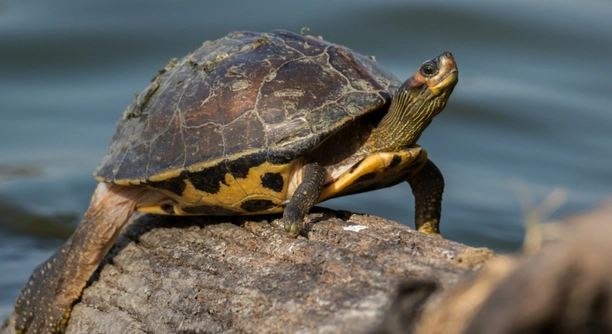
Creating a secure outdoor pen for an Indian Roofed Tortoise is essential for its well-being. A safe space ensures your tortoise enjoys the outdoors while being protected from predators and weather conditions. Here’s how to set it up.
To create a secure outdoor pen for an Indian Roofed Tortoise, start with a sturdy, enclosed structure. Use high walls, preferably made from metal or wood, and ensure the floor is covered to prevent digging. A solid roof protects against harsh weather.
Understanding the materials and steps needed will help you provide a safe and enjoyable environment for your tortoise.
Choosing the Right Location for Your Tortoise Pen
When building an outdoor pen for your Indian Roofed Tortoise, the location is key. Choose an area with plenty of natural sunlight, as tortoises thrive in warmth. However, avoid spots that get too hot or too cold throughout the day. Aim for a place where there is some shade, so your tortoise has an area to cool off when needed. The ground should be level and free of hazards, like sharp rocks or deep puddles. A secure area near a fence or wall can also prevent escape attempts.
The pen should also be far from potential threats like stray animals. The goal is to provide a quiet, safe environment.
It’s important to maintain a balance between exposure to the sun and access to shaded areas. By considering these factors, you create a setting where your tortoise can enjoy the outdoors without too many extremes in temperature. This careful planning will ensure that your tortoise stays healthy and active.
Selecting Materials for a Secure Pen
The right materials are essential for building a durable, safe pen.
Using sturdy wood, metal, or even concrete will create strong walls. These materials will also prevent the tortoise from pushing through or climbing out. Metal mesh works well for the enclosure’s walls, but make sure the holes are small enough to prevent any escape.
Ensuring the Pen is Escape-Proof
Make sure the pen is escape-proof by securing every possible exit point.
Tortoises are surprisingly skilled at finding ways to escape, so consider burying the bottom of the walls into the ground. This will prevent digging under the fence. The walls should be high enough to prevent climbing, ideally about 18-24 inches tall. Check regularly for weak spots or any signs of wear that may allow your tortoise to slip through.
If your pen has a door or gate, ensure it has a secure latch that the tortoise can’t easily push open. Regularly check the perimeter for gaps, as even small openings can lead to a successful escape attempt.
Weather Protection for Your Tortoise Pen
The pen should be designed to offer shelter from extreme weather.
Consider adding a roof or cover to provide shade in the hot months. A waterproof cover or a solid roof will shield your tortoise from rain, preventing any risk of drowning or cold stress. Make sure the roof allows for proper ventilation so that your tortoise can get fresh air without being exposed to the elements.
In colder months, you may want to create a cozy shelter where your tortoise can hide and stay warm. You can build a simple, insulated shelter inside the pen or use a ready-made tortoise house that blends into the pen. Ensure the shelter is dry and has enough space for the tortoise to move around.
Proper Flooring for the Pen
Choosing the right flooring is essential for your tortoise’s health.
A soft, natural surface like grass or dirt works well. Avoid using materials like gravel or sharp stones that could hurt your tortoise’s sensitive feet. If you want to protect the ground, you can add a layer of sand or soil that mimics the tortoise’s natural environment.
Keep the flooring dry and free of mold to prevent any potential health issues.
Adding Hiding Spots and Enrichment
Tortoises need hiding spots to feel safe and secure.
Add shelters, like small wooden boxes or clay pots, where your tortoise can retreat if it feels threatened. These hiding places provide a sense of safety, especially during the hotter parts of the day. You can also place rocks and logs for climbing and exploring, which will encourage natural behavior. Having different textures, like grass or leaves, will keep the environment stimulating and enriching.
FAQ
How big should the pen be for an Indian Roofed Tortoise?
The pen should be at least 10-12 square feet for one tortoise. However, a larger area is always better for allowing your tortoise to roam freely. The more space you provide, the happier and healthier your tortoise will be. A small pen can lead to stress and lack of exercise, so aim for a roomy environment.
Can I keep my tortoise outside year-round?
While Indian Roofed Tortoises can handle some outdoor conditions, it’s important to bring them indoors during extreme weather, especially in winter. They can be sensitive to cold temperatures, so you should avoid keeping them outside if it’s too chilly. During mild weather, they can stay outside, but always ensure they have shelter from rain or intense sun.
What kind of shelter do they need?
Indian Roofed Tortoises need a shelter to protect them from rain, cold, and intense heat. You can build a simple tortoise house within the pen, ensuring it’s large enough for your tortoise to move around. The shelter should be dry, safe, and insulated to provide comfort. Avoid using materials that retain moisture, like wood that can rot.
Should I provide food and water inside the pen?
Yes, it’s important to provide food and fresh water within the pen. Create a separate area where you can place food, like leafy greens, vegetables, and fruits. Make sure the water is always clean and fresh, and place a shallow dish that your tortoise can easily access. Regularly check and clean the food and water areas to avoid contamination.
What kind of fencing is best?
A secure fence should be at least 18-24 inches tall to prevent your tortoise from climbing over. Materials like metal or wood work well for the walls. You can use wire mesh or hardware cloth to prevent escapes, but ensure the gaps are small enough that your tortoise can’t slip through. Don’t forget to bury the bottom of the fence to prevent digging.
How do I keep my tortoise from escaping?
To prevent escapes, make sure the walls of the pen are tall and secure. Burying the bottom of the fence a few inches into the ground will stop digging, a common escape tactic. Regularly inspect the pen for any weak spots or gaps that could allow the tortoise to slip through. Secure any gates or doors with reliable latches.
How often should I clean the pen?
The pen should be cleaned regularly to ensure a healthy environment. Remove waste daily and check the water and food areas to ensure they’re clean. Every couple of weeks, do a deeper cleaning by removing bedding or soil, cleaning surfaces, and inspecting for any mold or pests. Regular maintenance keeps your tortoise’s home safe.
Can I use plants in the pen?
Yes, you can add plants, but make sure they are safe for your tortoise. Some plants are toxic to tortoises, so avoid using anything poisonous, such as foxglove, daffodils, or lilies. Research safe, tortoise-friendly plants like clover, dandelions, and hibiscus. Plants can provide natural shelter and extra food sources as long as they are safe.
How can I make sure my tortoise stays healthy in the pen?
Make sure your tortoise has a balanced diet, access to fresh water, and adequate shelter from the elements. Ensure the pen is secure, and the tortoise has enough space to move around and exercise. Regularly check the environment for safety hazards, and give your tortoise opportunities to engage in natural behaviors like burrowing and climbing.
Do I need to worry about predators?
Yes, depending on where you live, predators like raccoons, dogs, or even birds of prey may pose a risk. To protect your tortoise, make sure the pen is securely enclosed. If you have local predators, consider reinforcing the top with a solid roof or mesh. Regularly inspect the pen for signs of attempted entry.
How do I provide enough heat for my tortoise?
Indian Roofed Tortoises thrive in warm temperatures. If you live in a cooler climate, you can use heat lamps or ceramic heaters inside the pen. Keep an eye on the temperature, ensuring it stays between 75°F and 85°F during the day. At night, it can drop slightly, but avoid temperatures under 50°F.
What should I do in the winter?
In colder months, bring your tortoise indoors or provide additional insulation for the pen. If you keep your tortoise outside, ensure it has access to a heated shelter or warm hiding spots. Monitor the temperature closely, as freezing conditions can harm your tortoise. If it’s too cold for extended periods, it’s safer to house your tortoise inside.
How often should I check the pen for damage?
You should inspect the pen for damage at least once a week, especially after storms or rough weather. Look for holes in the fencing, worn spots in the shelter, or any signs that the structure could be weakening. Regular checks help prevent escapes or injuries and ensure the pen remains secure.
Can my tortoise live with other animals in the pen?
It’s not recommended to house your tortoise with other animals, as they may pose a risk. Other pets could attack or harass the tortoise, or carry diseases. If you do want to introduce other animals, ensure they are compatible and closely monitor them to avoid conflicts. Tortoises generally prefer a peaceful, solitary environment.
Final Thoughts
Building a secure outdoor pen for your Indian Roofed Tortoise is an essential step in ensuring its safety and well-being. By taking the time to carefully choose the right location, materials, and features, you can create an environment that allows your tortoise to thrive. The key is to focus on creating a safe, comfortable, and enriching space where your tortoise can roam freely while staying protected from predators, harsh weather, and other dangers. Providing enough room for your tortoise to move around is just as important as protecting it from any potential threats.
Remember that an Indian Roofed Tortoise’s health depends on more than just a secure pen. It’s crucial to maintain the pen regularly, checking for any damage, cleaning up waste, and making sure the environment remains safe. A well-maintained pen will provide your tortoise with a place to feel secure, and your constant attention will help prevent any potential escape attempts or health issues. It’s also essential to ensure that your tortoise has enough shelter, food, and water. A proper shelter offers them a retreat during the hottest or coldest parts of the day, while a balanced diet will support their overall health.
Lastly, don’t forget to consider the weather and the climate where you live. While Indian Roofed Tortoises are hardy animals, extreme conditions can still affect their well-being. During colder months, they may need additional protection, such as heat lamps or insulated shelters, to stay warm. Being prepared for different seasons will help keep your tortoise comfortable and safe throughout the year. By putting thought into the design and maintenance of their outdoor pen, you’ll create a habitat that supports both their physical and mental health, ensuring a long, happy life for your tortoise.

Hello,
If you enjoy the content that we create, please consider saying a "Thank You!" by leaving a tip.
Every little bit helps us continue crafting quality advice that supports the health, happiness, and well-being of pets around the world, for pets of all shapes, sizes, and species.
We really appreciate the kindness and support that you show us!