
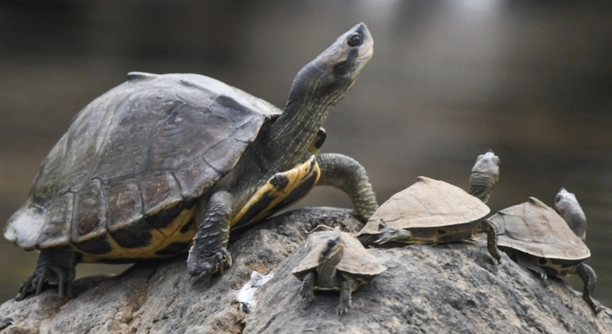
Recognizing pain in your Indian Roofed Tortoise can be tricky. Understanding its behavior and body language is essential to spotting any signs of discomfort. Observing these indicators can help ensure your pet’s well-being.
Indian Roofed Tortoises often show pain through behavioral changes, such as lethargy, reduced appetite, or altered movement. Physical signs, like swelling or irregular breathing, may also indicate distress. Addressing these signs early can improve their quality of life.
Pay attention to your tortoise’s behavior, as early detection of pain can prevent further complications.
Changes in Behavior
When an Indian Roofed Tortoise is in pain, its behavior can change significantly. You may notice it becoming more withdrawn or less active than usual. It might avoid moving around as much, hiding in its shell for extended periods. Reduced activity could also mean it is avoiding things it normally enjoys, like basking in the sun. Tortoises in pain may refuse food or eat less than usual. If your tortoise’s behavior shifts abruptly, especially in relation to their usual habits, it could be a clear indication of discomfort.
Pain can also cause a tortoise to become more irritable. You may notice them reacting aggressively to handling or even showing signs of stress. These changes are often linked to an underlying issue that should be addressed immediately to ensure their well-being.
Paying close attention to your tortoise’s movements and responses to daily routines can help you spot these signs early. A tortoise in pain may show subtle behavior shifts, so monitoring them closely is crucial.
Physical Signs
Look for physical signs that your tortoise is in pain. This can include changes in posture, swelling, or unusual breathing patterns. If your tortoise is holding its body in an abnormal position, it could be trying to protect an injured or sore area. Swelling around the limbs, shell, or face may suggest an infection, injury, or inflammation. You may also notice labored or shallow breathing, which can indicate respiratory issues or pain in the chest or abdomen.
These physical signs are often a clear indicator that something is wrong. Monitoring these symptoms closely can help you determine the severity of the issue and decide if veterinary care is needed.
A tortoise’s shell is another area where physical discomfort can be visible. A misaligned or damaged shell could be a sign of trauma or disease. If the shell shows signs of cracking, soft spots, or visible deformities, seek immediate attention from a reptile veterinarian.
Loss of Appetite
A tortoise in pain will often stop eating or drastically reduce its food intake. This is a common sign that something is wrong. If your tortoise skips meals or eats much less than usual, it’s essential to monitor other symptoms, as it could be linked to pain, illness, or discomfort.
When pain is present, it can make eating feel like a burden for your tortoise. They may avoid food because it requires energy or effort they don’t have. Decreased appetite could be a response to an injury or internal issue that needs attention. If this persists for more than a couple of days, consider seeking veterinary advice.
A prolonged lack of appetite is often an indicator of an underlying condition. Your tortoise’s reduced desire to eat could be due to oral discomfort, digestive issues, or general weakness caused by pain. In many cases, pain from an injury or infection can affect their ability to eat properly. It is crucial to address this promptly.
Changes in Movement
Pain can make your tortoise move differently. It might avoid walking or move in a stiff, slow manner. This can be a response to an injury or soreness. Your tortoise may also drag its limbs or seem reluctant to walk longer distances.
If your tortoise shows signs of limping or difficulty moving, it could indicate pain in the joints, muscles, or bones. Tortoises tend to hide pain until it becomes unbearable, so changes in movement are one of the most obvious signs that something is wrong. Look for any signs of lameness or discomfort when walking.
Observe how your tortoise moves throughout the day. If they avoid certain movements or positions, there could be pain associated with it. Keep an eye out for signs of struggle when climbing or reaching for food, as this can also point to discomfort.
Breathing Issues
Labored or irregular breathing can indicate pain or distress in your tortoise. If you notice shallow breathing or wheezing, it could be a sign of respiratory problems or internal discomfort. Respiratory distress requires quick attention to prevent further health complications.
Breathing issues in tortoises may be linked to pain in the chest or abdomen. When a tortoise is in pain, its body may react by breathing in a labored way. It’s important to observe whether the breathing issue is related to any other symptoms like lethargy or swelling.
A tortoise with breathing issues should be taken to a vet as soon as possible. Respiratory distress can be caused by infections or conditions that worsen without treatment. Early intervention is key to addressing the issue before it progresses further.
Irregular Shell Behavior
Your tortoise’s shell should be smooth and intact. If you notice it becoming soft, swollen, or cracked, it may be in pain. Shell deformities can result from injury or infection, which can cause discomfort and health issues.
A soft or damaged shell can cause your tortoise significant pain and difficulty in movement. The shell acts as protection for the body, and if it’s compromised, it can lead to injury or infection. Pay attention to any unusual changes in the shell’s shape, color, or texture.
A tortoise that is in pain due to shell injury or infection may also behave differently. It might refuse to move or be overly cautious. Ensure your tortoise’s shell is in good condition and monitor it regularly to avoid further complications.
FAQ
What should I do if my tortoise shows signs of pain?
If you notice signs of pain in your tortoise, such as changes in behavior, loss of appetite, or physical symptoms, it’s important to take action quickly. First, observe your tortoise’s behavior and note any changes. If the signs persist, consult a veterinarian who specializes in reptiles. They can properly diagnose the cause of the pain and recommend appropriate treatment.
How can I tell if my tortoise is in pain?
Tortoises are good at hiding pain, but there are several signs to look for. These include changes in movement, such as reluctance to move or limping, changes in appetite, such as refusing food or eating less, and physical signs like swelling or irregular breathing. Behavior changes, such as increased aggression or hiding, are also common signs of pain.
Can tortoises suffer from infections?
Yes, tortoises can suffer from infections, particularly respiratory or shell infections. These infections can cause pain, lethargy, difficulty breathing, or shell deformities. If your tortoise has any of these symptoms, it’s important to seek veterinary care as soon as possible to prevent the infection from worsening.
How can I prevent pain in my tortoise?
Preventing pain in tortoises requires providing a proper habitat and diet. Ensure your tortoise has access to a clean, safe environment with enough space to move. A balanced diet rich in calcium and vitamins is essential for healthy bones and shell. Regular checkups with a reptile vet can help detect any potential issues early, preventing pain or illness from developing.
Is it normal for my tortoise to be less active sometimes?
Tortoises are naturally more active during certain times of the day, but prolonged inactivity can be a sign of discomfort or illness. If your tortoise is suddenly less active or lethargic for an extended period, it could indicate pain or a health issue. Monitoring your tortoise’s daily behavior and consulting a vet can help determine if there is cause for concern.
What are the signs of a shell injury in a tortoise?
A tortoise’s shell is vital for protection, and any injury to it can cause significant pain. Signs of shell injury include visible cracks, soft spots, or swelling. If the shell is damaged, your tortoise may also show signs of distress, such as avoiding movement or being more cautious than usual. Always have a vet inspect any shell injuries.
Can my tortoise recover from pain?
Yes, with proper care and treatment, a tortoise can recover from pain. The recovery process will depend on the cause of the pain. For example, if the pain is caused by an injury, your tortoise may need time to heal with proper support, like a safe environment and limited movement. If the pain is caused by an illness, such as an infection, antibiotics or other treatments may be required. A vet’s guidance is crucial for determining the best course of action.
How long does it take for a tortoise to recover from an injury?
The recovery time for a tortoise depends on the severity of the injury. Minor injuries may heal within a few weeks, while more serious injuries may take months. It’s important to follow your veterinarian’s instructions and ensure your tortoise has a safe, stress-free environment during recovery to aid the healing process.
Are there any natural remedies for tortoise pain?
While some natural remedies, such as providing a proper diet or using warm baths, may offer relief for minor discomfort, pain caused by injury or illness should be addressed by a vet. Natural remedies should never replace proper veterinary care, as tortoises can have specific health needs that require professional treatment. Always consult a vet before trying any remedy.
How can I tell if my tortoise is in respiratory distress?
Signs of respiratory distress in tortoises include labored breathing, wheezing, or nasal discharge. If your tortoise is having difficulty breathing or appears to be struggling, it’s important to seek veterinary attention immediately. Respiratory issues can be serious and require prompt treatment to prevent complications.
Final Thoughts
Understanding the signs of pain in your Indian Roofed Tortoise is crucial for providing the proper care and ensuring its well-being. Tortoises, like many other animals, tend to hide their discomfort, making it difficult to detect when they are in pain. By staying observant and looking for changes in behavior, such as decreased movement, changes in appetite, or unusual physical signs like labored breathing or shell injuries, you can catch potential problems early. This can significantly improve the chances of successful treatment and help prevent long-term issues.
Taking proactive steps to address your tortoise’s pain is key. Regular veterinary check-ups, a proper diet, and a safe living environment are all essential in maintaining your tortoise’s health and preventing injury or illness. Tortoises require an environment that suits their natural needs, such as access to UVB lighting, a suitable temperature range, and proper humidity levels. Additionally, providing a balanced diet rich in calcium, vitamins, and other nutrients will support strong bones and a healthy shell, which can prevent pain caused by malnutrition or environmental stress.
If your tortoise shows any signs of pain or distress, it’s important to consult a reptile vet as soon as possible. A veterinarian will be able to diagnose the cause of the pain and recommend appropriate treatment options. Pain management in tortoises can vary depending on the cause, but with proper care, many tortoises can recover fully from injuries or illnesses. Taking the right steps at the right time can ensure your tortoise enjoys a long, healthy life.

Hello,
If you enjoy the content that we create, please consider saying a "Thank You!" by leaving a tip.
Every little bit helps us continue crafting quality advice that supports the health, happiness, and well-being of pets around the world, for pets of all shapes, sizes, and species.
We really appreciate the kindness and support that you show us!