
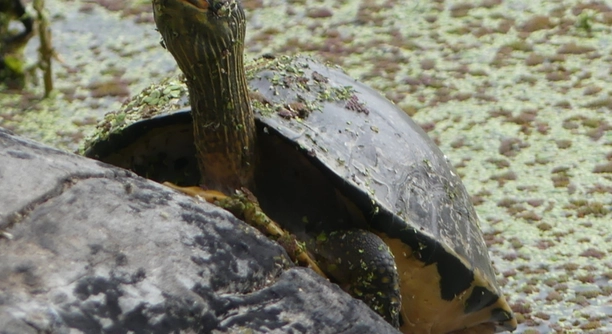
Indian Roofed Tortoises are fascinating creatures that can live long and healthy lives when properly cared for. However, there are common mistakes that can shorten their lifespan, and many owners are unaware of these pitfalls.
Mistakes that lead to the premature shortening of an Indian Roofed Tortoise’s life include poor diet, inadequate housing, improper temperature regulation, and lack of proper veterinary care. These mistakes can cause health problems and shorten their natural lifespan.
Ensuring a proper environment and diet for your tortoise is key to helping it live a long, healthy life. In this article, we will cover some of the common mistakes to avoid for your tortoise’s well-being.
Mistake 1: Feeding an Inappropriate Diet
Feeding an Indian Roofed Tortoise the wrong kind of food is one of the most common mistakes. Tortoises need a balanced diet of leafy greens, flowers, and vegetables. Feeding them too much fruit or commercial food that is not suitable can lead to health problems like obesity or kidney issues. This may reduce their lifespan significantly. You should avoid giving them processed or sugary foods as they are not part of their natural diet. It’s also essential to make sure the food is pesticide-free to prevent harm. Overfeeding, even with the right foods, can also be an issue.
A well-balanced diet ensures proper nutrition, leading to better health and longevity.
Be sure to research the specific needs of your tortoise. Offering a variety of safe, natural foods will improve its quality of life. This is a simple but crucial part of their care routine.
Mistake 2: Inadequate Housing
A poorly designed enclosure can affect your tortoise’s health. The size and environment of their living space play a vital role in their well-being. A small or cluttered enclosure can lead to stress, making your tortoise more vulnerable to illnesses. It’s essential to provide enough room for them to roam and exercise.
The enclosure should be spacious, with areas for basking, hiding, and exploring. It must also have proper ventilation and be free of sharp objects that could harm your tortoise. Additionally, avoid placing your tortoise’s habitat in a high-traffic area, as constant noise and movement can cause anxiety. Ensure the space is clean and secure to keep predators away.
A proper setup also includes UVB lighting and heating elements to regulate the temperature. Without the right environmental conditions, your tortoise may suffer from metabolic bone disease or respiratory issues. Keeping your tortoise’s habitat clean and comfortable can help prevent these problems, ensuring a longer life.
Mistake 3: Not Providing Proper Hydration
Dehydration can cause serious health issues for your tortoise. If they don’t have constant access to fresh water, it can lead to kidney problems, lethargy, and even death. Always ensure your tortoise’s water bowl is clean and filled with fresh water.
Tortoises may not drink often, but they need to soak in shallow water to stay hydrated. Provide a shallow dish or container where your tortoise can soak, ensuring it’s easy for them to enter and exit. A hydrated tortoise is more active and healthier in the long run.
Mistake 4: Neglecting Regular Veterinary Care
Regular check-ups with a vet who specializes in reptiles are important for your tortoise’s health. Routine health checks help catch any issues early, especially diseases that may not show immediate symptoms.
Even if your tortoise seems healthy, annual vet visits are essential. Your vet can check for signs of parasites, dental issues, or dehydration. Taking proactive steps can prevent serious illnesses, ensuring that your tortoise remains in good health and lives a long life.
FAQ
What temperature is best for an Indian Roofed Tortoise?
The ideal temperature for an Indian Roofed Tortoise should range between 80°F to 90°F during the day, with a basking spot reaching up to 95°F. At night, the temperature can drop to around 70°F to 75°F. It’s essential to have a heat source, like a heat lamp or ceramic heater, to ensure they stay warm. If the environment is too cold, your tortoise can become sluggish or develop respiratory problems. Make sure to monitor the temperature using a thermometer to avoid any drastic fluctuations.
Can I feed my tortoise fruits every day?
Fruits should be given in moderation. While tortoises do enjoy the occasional fruit, they should not make up a large portion of their diet. Fruits are often high in sugar, which can lead to obesity and other health issues. A good rule of thumb is to offer fruit only a couple of times a week and ensure it’s balanced with plenty of leafy greens, vegetables, and other appropriate foods. Overfeeding fruits can lead to digestive issues and nutritional imbalances, so it’s important to keep portions controlled.
How often should I clean my tortoise’s enclosure?
The enclosure should be cleaned at least once a week to maintain a healthy environment for your tortoise. Spot cleaning should be done daily, especially for removing waste. It’s also important to regularly check the water bowl to make sure it’s clean and filled with fresh water. A dirty enclosure can lead to bacterial growth, which can cause infections or other health problems for your tortoise. Deep cleaning, including disinfecting the entire enclosure, should be done at least once a month.
Do Indian Roofed Tortoises need UVB light?
Yes, Indian Roofed Tortoises require UVB light to produce vitamin D3, which is essential for proper calcium absorption. Without UVB lighting, they are at risk of developing metabolic bone disease. The UVB light should be placed over their basking area and replaced every 6-12 months, as the effectiveness of these lights decreases over time. Ensure that the light is placed at an appropriate distance from the tortoise to ensure they can absorb it effectively. If natural sunlight is accessible, you can let them bask in it, but they should always have access to UVB lighting indoors.
Can I let my tortoise roam outside?
Yes, you can allow your tortoise to roam outside, but only under certain conditions. The area must be secure, free of predators, and free of harmful plants that they may try to eat. The outdoor temperature should be suitable, not too hot or cold. It’s important to keep a close watch while they are outside to ensure they don’t wander off or get into danger. Always make sure to bring them back inside during the colder months to prevent any health issues related to temperature fluctuations.
How much should I feed my tortoise daily?
The amount you feed your tortoise depends on its age, size, and activity level. Generally, young tortoises need to be fed more frequently, around once a day, while adults can be fed every other day or every two days. The key is to offer enough food to meet their nutritional needs without overfeeding. A good portion should be a mix of leafy greens, vegetables, and occasional flowers. You can estimate the proper amount by offering food that’s about the size of their shell. Always remove any uneaten food after a few hours to avoid attracting pests.
Why is my tortoise not eating?
There are several reasons why a tortoise may refuse to eat. Stress from a change in environment, improper temperature, or inadequate lighting can all contribute to a loss of appetite. Health issues, such as respiratory infections or parasites, may also cause a tortoise to stop eating. If your tortoise refuses food for more than a few days, it’s essential to consult with a veterinarian to rule out underlying health issues. Making sure the temperature, humidity, and diet are all within the right range can help encourage eating.
Is it okay for my tortoise to be handled frequently?
Tortoises are not generally fond of being handled regularly, and excessive handling can cause stress. While it’s fine to interact with them occasionally, especially for cleaning or during feeding, avoid picking them up too often. Tortoises need time to explore and feel secure in their environment. When handling them, be gentle and avoid dropping them or causing any rough movements. They can easily become stressed if they feel threatened, which can impact their overall health.
How do I know if my tortoise is sick?
Signs of illness in a tortoise include a lack of appetite, lethargy, wheezing or nasal discharge, irregular shell growth, or abnormal behavior. If your tortoise’s eyes are swollen or if they are struggling to move, it could be a sign of infection or injury. Any changes in their behavior or appearance should be taken seriously, and you should consult with a reptile vet as soon as possible. Early detection of health problems can make a big difference in treatment and recovery.
Can my tortoise live with other reptiles or animals?
Indian Roofed Tortoises can be territorial and may not get along well with other animals, especially in small spaces. It’s best to house them alone or with other tortoises of the same species, as they can be aggressive towards other reptiles or pets. Even if other animals seem peaceful, it’s risky to allow them to share an enclosure. Introducing different species can also expose your tortoise to diseases or parasites that could harm them. Always keep an eye on their interactions to ensure safety.
Final Thoughts
Taking care of an Indian Roofed Tortoise requires attention to detail and a good understanding of their needs. These tortoises can live a long, healthy life if provided with the right environment, diet, and care. The key to their well-being lies in offering them a balanced diet, proper housing, and the correct temperature. By avoiding common mistakes, you can ensure that your tortoise stays healthy and happy for years to come. It’s important to remember that they are not just pets but living creatures that need a secure, comfortable space to thrive.
Routine care and regular vet visits are essential to monitor your tortoise’s health. Just like any pet, tortoises need time and effort to ensure they are not facing unnecessary stress or illness. They depend on us for their food, safety, and comfort. Simple actions like maintaining their enclosure, checking their hydration, and providing the right lighting and temperature can go a long way in promoting their overall well-being. Each tortoise has its own personality and needs, so it’s crucial to observe them closely and make adjustments when necessary.
Lastly, remember that caring for a tortoise is a long-term commitment. The lifespan of an Indian Roofed Tortoise can span several decades if treated with the right care and respect. It’s important to stay informed about their needs and make changes as they grow and age. With patience and the proper care routine, you’ll be able to watch your tortoise thrive and live a long, healthy life.

Hello,
If you enjoy the content that we create, please consider saying a "Thank You!" by leaving a tip.
Every little bit helps us continue crafting quality advice that supports the health, happiness, and well-being of pets around the world, for pets of all shapes, sizes, and species.
We really appreciate the kindness and support that you show us!