
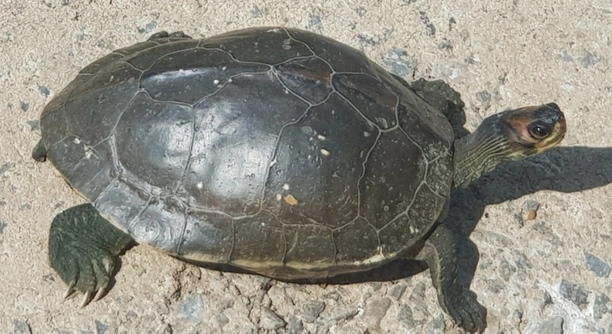
If your Indian Roofed Tortoise has been puffing up, you may be concerned about the cause. It’s important to know that this behavior can be related to several factors that impact your tortoise’s health and comfort.
The most common reason for puffing up in Indian Roofed Tortoises is a defensive behavior. When threatened or stressed, they may puff up to appear larger and protect themselves. It can also be related to health issues like respiratory infections.
Understanding the reasons behind this puffing behavior will help you take the proper steps to ensure your tortoise’s well-being.
Why Does Your Indian Roofed Tortoise Puff Up?
When your Indian Roofed Tortoise puffs up, it’s usually a sign of stress or an attempt to defend itself. This behavior occurs when the tortoise feels threatened or uncomfortable, and it can happen when it’s exposed to sudden changes in its environment or routine. Puffing up is a natural reaction to make itself look larger, an instinctive defense mechanism.
However, the puffing up could also be a symptom of health issues. For example, if the tortoise is suffering from respiratory problems, it may puff up due to difficulty breathing or feeling congested. In some cases, dehydration or inadequate temperature control in their habitat can contribute to this behavior as well. To ensure your tortoise’s comfort and health, closely monitor its environment and behavior.
The health of your tortoise depends on the stability of its habitat. Maintaining a proper temperature, humidity, and access to fresh water will prevent stress-induced behavior like puffing up. If your tortoise continues to display this behavior for extended periods, it’s important to consult with a veterinarian who specializes in reptiles.
Health Concerns and Puffing Up
If puffing up is more than just a defensive response, it might be due to an underlying health issue.
Respiratory infections are one common cause of puffing up, as tortoises may have difficulty breathing or feel weak. Other symptoms can include nasal discharge, lethargy, or changes in eating habits. Keeping track of these signs will help with early identification and treatment. Regular check-ups are crucial to keeping your tortoise in good health.
Additionally, if a tortoise feels too hot or too cold, it may react by puffing up to conserve energy or regulate its body temperature. When housed in areas with fluctuating temperatures, such as drafts or hot spots in the enclosure, your tortoise can experience stress that leads to puffing. Proper temperature regulation in its habitat can help reduce the occurrence of puffing.
Environmental Stress and Puffing Up
Temperature and humidity fluctuations can cause your tortoise to puff up as a response to stress. If your tortoise’s enclosure is too hot or too cold, it may react in this way.
Maintaining a stable environment is key for your tortoise’s comfort. The enclosure should have a temperature gradient, with a basking area that’s warmer and a cooler zone for resting. Humidity is also important, as a dry habitat can lead to dehydration, which may cause puffing up. A water dish and regular misting can help keep humidity levels in check.
Inconsistent lighting, such as insufficient UVB exposure, can also contribute to stress and puffing. Proper lighting is essential for their health, as it helps with calcium absorption and overall well-being. Ensure the light source is appropriate for the size of the enclosure and is kept at the right distance.
Dehydration and Puffing Up
Dehydration can be another reason for puffing up in your Indian Roofed Tortoise. If your tortoise is not getting enough water, it may puff up as a reaction to conserve moisture.
To prevent dehydration, make sure fresh water is available at all times. You can also offer moist foods like leafy greens to help increase water intake. Soaking your tortoise in shallow water a few times a week can encourage hydration, especially in warm weather. If the tortoise’s behavior continues, dehydration may be severe and require veterinary attention.
Additionally, dehydration can lead to other health issues, including kidney problems. This makes it crucial to regularly monitor your tortoise’s hydration levels, especially in dry or hot conditions. Be attentive to its activity levels, as lethargy is often a sign of dehydration.
Illness and Puffing Up
Puffing up can also be a sign that your tortoise is unwell. Respiratory infections, in particular, can cause this behavior as the tortoise struggles to breathe.
If your tortoise is puffing up frequently, along with other signs like nasal discharge or wheezing, a vet should check for respiratory infections. Prompt treatment can prevent further complications.
Poor Diet and Puffing Up
A poor diet can lead to health problems, including puffing up. If your tortoise isn’t getting enough nutrients, it can affect its overall well-being.
Ensure your tortoise’s diet is balanced, providing leafy greens, vegetables, and occasional fruits. Proper calcium and vitamin D3 intake are essential for bone health and preventing metabolic bone disease, which could lead to puffing up.
FAQ
Why does my Indian Roofed Tortoise puff up when I approach it?
Your tortoise may puff up as a defensive behavior. When it feels threatened or scared, it tries to make itself look larger to protect itself. This is common in many reptiles as an instinctual response to potential danger. If your tortoise frequently puffs up when you approach, it might be adjusting to its environment or getting used to handling. Over time, gentle interaction may help it feel more comfortable.
Is puffing up always a sign of stress?
Not always. Puffing up is typically a response to stress, but it can also be a defense mechanism. When threatened, your tortoise might puff up as a way to appear larger and intimidating to predators. However, if puffing up is frequent or prolonged, it might indicate underlying health issues, such as respiratory infections or dehydration.
How can I tell if my tortoise is stressed or sick?
Look for other signs such as lack of appetite, lethargy, nasal discharge, or abnormal behavior. A stressed tortoise may puff up temporarily, but if this behavior continues, it could be due to illness. In such cases, a visit to the vet is essential. Changes in their eating habits, activity levels, and appearance are often the first indicators of stress or illness.
Can dehydration cause puffing up in my tortoise?
Yes, dehydration can cause your tortoise to puff up as a way to conserve moisture. If your tortoise isn’t drinking enough water or its environment is too dry, it may puff up to protect itself. Offering fresh water, moist foods, and occasional soaking can help prevent dehydration.
How do I prevent my tortoise from puffing up due to dehydration?
Make sure fresh water is always available for your tortoise. Offering a shallow dish that it can easily access helps ensure hydration. You can also add moisture to its diet with water-rich vegetables, such as cucumbers or leafy greens. Soaking your tortoise in shallow water once or twice a week can encourage it to drink and prevent dehydration.
What temperature is best for my tortoise’s habitat?
Maintaining a stable temperature is crucial for your tortoise’s well-being. The basking area should be around 90°F (32°C), while the cooler side of the enclosure should range from 75-80°F (24-27°C). Proper temperature control prevents stress, which can lead to behaviors like puffing up.
How can I reduce the stress in my tortoise’s environment?
Ensure your tortoise’s habitat is stable with appropriate temperature, humidity, and lighting. Avoid sudden changes in their routine or surroundings. Providing hiding spots, such as rocks or plants, can help your tortoise feel more secure. Make sure the enclosure is large enough for it to move around comfortably.
Can I use UVB lighting for my tortoise?
Yes, UVB lighting is essential for your tortoise’s health. It helps them produce vitamin D3, which is necessary for calcium absorption. Lack of UVB can lead to metabolic bone disease, which could cause discomfort and puffing up. Ensure the light is properly positioned and changed regularly to maintain its effectiveness.
What signs should I look for if my tortoise is sick?
Watch for changes in behavior like lethargy, loss of appetite, difficulty breathing, or abnormal puffing. Discharge from the nose or mouth, swelling, or irregular shell growth can also indicate health problems. If you notice any of these symptoms, consult a veterinarian to prevent further complications.
Is puffing up in my tortoise dangerous?
Puffing up itself is not dangerous, but it may be a sign of stress or illness. If your tortoise puffs up due to dehydration, illness, or other factors, it could lead to health problems. It’s important to assess the cause and address any environmental or health issues as soon as possible.
How can I make sure my tortoise’s diet is healthy?
A balanced diet is crucial for your tortoise’s overall health. Offer a variety of leafy greens, vegetables, and occasional fruits. Ensure your tortoise gets enough calcium, which is necessary for strong bones and shell growth. You can supplement the diet with cuttlebone or calcium powder to prevent deficiencies. Avoid feeding it too many high-oxalate vegetables, like spinach, which can interfere with calcium absorption.
Can I handle my tortoise even if it’s puffing up?
If your tortoise is puffing up due to stress or fear, it may not be the best time to handle it. Let it calm down first. Gently try to interact with your tortoise when it seems more relaxed. Handling should be done with care to avoid adding more stress to the situation.
How often should I check my tortoise’s habitat for changes?
Regular checks are important to ensure your tortoise’s environment remains stable. Check the temperature, humidity, and lighting at least once a week. Clean the enclosure and replace bedding as needed. Ensure that food and water are fresh daily. Frequent checks will help you identify any potential issues before they become serious.
Final Thoughts
Understanding why your Indian Roofed Tortoise is puffing up can be important for its health and well-being. This behavior is usually a sign of stress, fear, or a defensive response to potential threats. However, if it happens often, it may also indicate underlying health problems such as dehydration, respiratory infections, or an unsuitable environment. Recognizing the cause of the puffing up can help you take the necessary steps to make your tortoise feel safe and comfortable again.
If your tortoise is puffing up due to stress, the best thing you can do is improve its environment. A calm and stable habitat with the correct temperature, humidity, and hiding spots can help reduce anxiety. Also, avoid sudden changes that could upset your tortoise. Handling should be gentle and done only when your tortoise feels relaxed. Over time, with patience and care, your tortoise may become more accustomed to its surroundings and show fewer signs of stress.
On the other hand, if puffing up is caused by health issues like dehydration or an infection, it is important to address those concerns immediately. Providing fresh water, proper diet, and a suitable temperature will help prevent dehydration. If symptoms of illness persist, visiting a vet is crucial for diagnosis and treatment. Regular health checks can also help ensure your tortoise stays in good shape.

Hello,
If you enjoy the content that we create, please consider saying a "Thank You!" by leaving a tip.
Every little bit helps us continue crafting quality advice that supports the health, happiness, and well-being of pets around the world, for pets of all shapes, sizes, and species.
We really appreciate the kindness and support that you show us!