
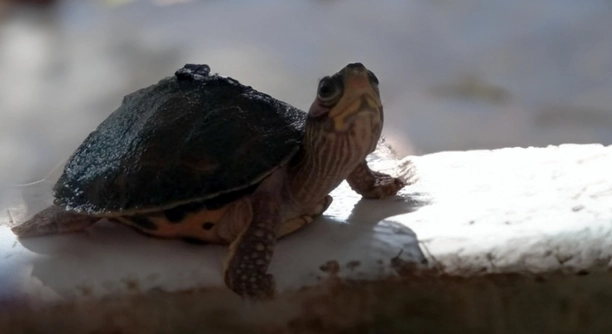
If your Indian Roofed Tortoise is acting strangely, it can be concerning. Their behavior changes can signal different things, so it’s important to pay attention. Understanding what’s going on can help ensure their well-being.
When a tortoise acts differently, it could be due to environmental factors, health issues, or stress. Changes in habitat, diet, or temperature might affect their behavior. Identifying the cause early can prevent further complications and ensure your tortoise remains healthy.
Addressing these concerns is essential for the health and safety of your tortoise. We’ll guide you through practical steps to take.
Temperature Changes Could Be Affecting Your Tortoise
Temperature is crucial for your tortoise’s health. Indian Roofed Tortoises are highly sensitive to shifts in temperature, and an environment that’s too hot or cold can make them act strange. For instance, if their basking spot is too hot, they might become sluggish or hide more often. Likewise, if it’s too cold, they may try to hibernate or seem inactive. These changes can be due to seasonal shifts or a malfunctioning heat source.
Check the temperature regularly to ensure your tortoise has the right conditions. Their habitat should have a warm basking area of around 90°F and a cooler side around 75°F. Make adjustments if necessary, using a reliable thermometer.
If your tortoise’s behavior changes suddenly, inspect the temperature carefully. Correcting it quickly can help them feel more comfortable and improve their behavior. Regular checks and stable conditions are key to keeping them active and happy.
Changes in Diet Could Be Impacting Behavior
Sometimes, the food you give them might be causing issues. Tortoises are creatures of habit, and changes in their diet can affect their health and mood.
A diet that’s low in calcium or high in inappropriate foods like fruit can lead to health problems, making your tortoise act differently. Ensure you’re feeding a balanced diet with leafy greens, some vegetables, and the right supplements.
Stress Could Be Behind Their Behavior
Stress can have a significant impact on your tortoise. Moving to a new home, loud noises, or even changes in their routine can cause them to act strangely. They may hide more often or refuse to eat.
It’s important to create a quiet, stable environment for them. If you recently made changes to their habitat, try to make the transition gradual. Give them time to adjust and offer a consistent routine. Stress can be minimized by keeping their space peaceful and providing regular food and water.
Be patient if you notice stress-related behavior. It may take time for your tortoise to feel comfortable again. Keep their environment calm and avoid sudden changes to help them adjust more easily.
Health Problems May Be the Cause
Health issues are another common reason why your tortoise may act differently. A range of problems, such as respiratory infections or shell injuries, can cause discomfort, leading to abnormal behavior.
If you notice your tortoise becoming less active, losing appetite, or showing signs of labored breathing, it’s essential to seek veterinary care. Delaying treatment can worsen the problem. A veterinarian with experience in reptiles can give the best advice and ensure proper treatment.
Regular check-ups can help spot issues before they become serious. Early detection is key to preventing further complications.
Improper Lighting Can Affect Their Behavior
Lighting plays a crucial role in your tortoise’s well-being. If the light source is too dim or too harsh, it can lead to stress and abnormal behavior. Ensure they have access to natural or UVB light, which is vital for their health.
A lack of proper lighting can cause them to become lethargic, refusing to eat or move. UVB light helps them absorb calcium and promotes overall health. Invest in a good UVB lamp and replace it regularly, as these lights lose their effectiveness over time.
Improper Habitat Size May Contribute
An undersized habitat could be causing your tortoise distress. A small enclosure limits their movement, leading to frustration or stress. It’s important that your tortoise has enough space to roam, bask, and hide.
Ensure the enclosure is large enough for your tortoise to explore. A cramped environment can hinder their natural behavior, causing them to act strangely. If you notice signs of stress or inactivity, reconsider the size and arrangement of their habitat.
FAQ
What should I do if my Indian Roofed Tortoise is hiding a lot?
Hiding can be a sign of stress or discomfort. If your tortoise is hiding more than usual, check their environment for issues like temperature fluctuations or loud noises. Ensure their habitat is quiet and consistent. If the behavior persists, consult a vet to rule out health problems.
How can I tell if my tortoise is too hot or too cold?
If your tortoise is too hot, it might appear lethargic, breathe heavily, or try to escape the heat source. On the other hand, if it’s too cold, your tortoise may become inactive, hide more, or slow down its movements. Keep their environment at the correct temperature range of 75-90°F.
Why isn’t my tortoise eating?
A lack of appetite could indicate stress, health issues, or an improper environment. Ensure your tortoise is getting a balanced diet with leafy greens and the right calcium levels. Make sure the temperature and humidity in their enclosure are optimal. If the issue continues, a visit to the vet is necessary.
Can my tortoise stop eating because of the season?
Yes, some tortoises may eat less during colder months, as they tend to slow down and become less active. If the temperature drops or your tortoise’s routine changes, they may not eat as much. Make sure they still have access to heat and light to help regulate their behavior.
Is it normal for my tortoise to be inactive sometimes?
Yes, it’s normal for tortoises to go through periods of inactivity. They may slow down to rest or due to changes in temperature. However, if they are consistently inactive or showing signs of illness, it’s best to monitor them closely and consult a vet if the situation doesn’t improve.
What should I do if my tortoise has trouble breathing?
Labored breathing can indicate respiratory problems. If your tortoise is wheezing, has mucus around the nose, or is having trouble breathing, it’s important to take them to a reptile vet as soon as possible. Respiratory infections can be serious if left untreated.
Can my tortoise’s shell appear soft or deformed?
A soft or deformed shell may signal nutritional deficiencies, usually a lack of calcium or improper diet. Providing the right diet with plenty of leafy greens and calcium supplements is essential. If the shell continues to appear unhealthy, consult a vet to ensure your tortoise’s shell develops properly.
Why is my tortoise moving slower than usual?
Slower movements can be normal, especially during cooler months, as tortoises are ectothermic. However, if they’re slower than usual for an extended period or show no interest in food, it could be a sign of a health issue. Make sure the enclosure’s temperature is suitable, and seek veterinary advice if needed.
How do I handle a tortoise that seems to be stressed?
Stress in tortoises can be caused by environmental changes, improper lighting, or lack of hiding places. To reduce stress, ensure their habitat is quiet and has appropriate lighting and temperature. Adding a hiding spot and ensuring a consistent feeding schedule can help ease their anxiety.
Is it normal for my tortoise to be aggressive sometimes?
Tortoises are usually calm creatures, but they can show aggression, especially during mating season or when feeling threatened. If your tortoise becomes aggressive, check if there are other stress factors in their environment. Ensure they have enough space and are not being disturbed by other pets or loud noises.
Why is my tortoise’s skin peeling?
Skin peeling is common during shedding. This happens when your tortoise’s shell grows, and the skin will naturally shed. If peeling is excessive, it could be a sign of dehydration or poor humidity levels in their habitat. Make sure their environment has proper humidity to help them shed comfortably.
Can my tortoise live with other pets?
Tortoises can live with other pets, but it’s essential to make sure their environment is suitable for both species. Avoid housing tortoises with aggressive animals that may cause them stress. If you plan on introducing a new pet, monitor interactions closely to prevent any issues.
What’s the best way to keep my tortoise hydrated?
Ensure your tortoise has access to fresh, clean water at all times. You can also mist their enclosure or soak them in warm water for a short period to help with hydration. Always check their water dish daily and change it if it’s dirty.
How can I tell if my tortoise is sick?
Signs of illness in tortoises include lethargy, lack of appetite, abnormal breathing, swollen eyes, or changes in their shell. If you notice any of these signs, it’s crucial to consult a reptile vet. Early detection can prevent further complications and ensure proper treatment.
Why is my tortoise not basking as much?
If your tortoise is not basking, it could be due to an improper temperature or lighting setup. Make sure the basking area is warm enough, around 90°F, and that they have access to UVB light. If they still avoid basking, a health issue could be to blame.
Final Thoughts
When your Indian Roofed Tortoise starts acting strangely, it’s essential to address the issue quickly. Their behavior may be a sign that something in their environment or health needs attention. Tortoises are sensitive creatures, and small changes in their surroundings can cause stress or health issues. By carefully monitoring their behavior and making necessary adjustments, you can ensure they stay happy and healthy.
Proper lighting, a suitable habitat size, and a balanced diet are all critical factors in maintaining your tortoise’s well-being. If your tortoise seems off, check for these basic needs first. Many behavior changes can be traced back to environmental factors, such as temperature or humidity, which can make a significant difference. If these elements are in place, then it may be worth checking for any signs of illness, as health issues can also cause unusual behavior.
Finally, always consult a vet if you are unsure about any changes in your tortoise’s behavior. While minor issues can often be solved with small adjustments, persistent or severe symptoms may require professional care. Tortoises rely on us to provide the right conditions for them to thrive, so it’s important to be proactive when it comes to their health and happiness.

Hello,
If you enjoy the content that we create, please consider saying a "Thank You!" by leaving a tip.
Every little bit helps us continue crafting quality advice that supports the health, happiness, and well-being of pets around the world, for pets of all shapes, sizes, and species.
We really appreciate the kindness and support that you show us!