
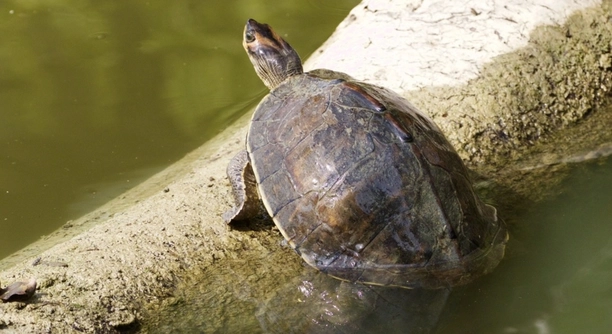
Indian Roofed Tortoises are unique pets that often display curious behaviors. One such behavior is licking various objects, which may leave their owners wondering about its cause. Understanding why this happens can help you care for them better.
The primary reason your Indian Roofed Tortoise licks things is likely related to sensory exploration and environmental curiosity. Tortoises use their tongue and sense of taste to better understand their surroundings, including textures and smells.
This article will explain why this behavior occurs and how it impacts your tortoise’s well-being. Understanding these habits can help you better manage their environment and ensure their happiness.
Understanding the Behavior of Your Indian Roofed Tortoise
Indian Roofed Tortoises are known for their unique behaviors. One common action is licking objects around them, which may seem puzzling at first. However, this behavior is quite natural for these creatures. Tortoises use their tongues to explore their environment, and licking is a way for them to gather sensory information. It’s part of their instinct to investigate their surroundings. Licking helps them understand the textures, smells, and even the temperature of the things around them. They may lick rocks, plants, or even surfaces in their enclosure.
Licking can also be an attempt to gather moisture, especially if they are in a dry environment. It’s a way for them to stay hydrated.
Understanding why your tortoise licks things allows you to create a better environment for them. Keeping their enclosure clean and providing fresh water will support their natural behavior and help them stay healthy. Regular interaction with your tortoise will also help ensure they feel comfortable in their home.
When Licking Becomes a Concern
While licking is usually harmless, there are times when it can indicate a problem. If your tortoise licks excessively or seems to focus on one particular object, it might be a sign of stress or an imbalance in their habitat.
It’s important to monitor their surroundings. A dry, overly hot, or too cold environment can make your tortoise anxious. Additionally, an improper diet or lack of hydration may lead them to search for moisture through licking. If you notice any signs of unusual behavior, it’s a good idea to review their care routine. Make sure they have access to fresh water, a proper basking spot, and humidity levels that are appropriate for their species.
Proper care includes offering a varied diet with the necessary vitamins and minerals. It’s crucial to ensure that they have a proper balance of calcium and other nutrients. Excessive licking can also be a sign that your tortoise is not getting enough hydration from their food or water. Try adjusting their care routine to provide a comfortable, safe environment, and monitor their health closely.
Licking as a Sign of Exploration
Tortoises, like Indian Roofed Tortoises, often use licking as a way to explore. Their environment is full of new textures and smells, which they investigate by licking objects. This natural curiosity helps them understand their surroundings.
By licking, they gather sensory data that informs their actions. It’s not just about taste but also texture, temperature, and even the presence of food. Tortoises may lick rocks, plants, or even the walls of their enclosure. This behavior is normal and shows their interest in their habitat. It’s an essential part of how they interact with the world around them.
This behavior can also help them differentiate between objects they should interact with and those they should avoid. If your tortoise licks something they don’t like, they may back off or try something else. This instinctive action is critical for their survival in the wild, helping them identify safe environments and potential threats.
Environmental Factors and Licking
The environment plays a big role in your tortoise’s behavior. If the humidity or temperature is off, your tortoise might lick more often. Licking can help them search for moisture or cooling, especially in an overly dry or hot area.
Indian Roofed Tortoises come from warm, humid environments, so they need conditions similar to their natural habitat. If they’re not receiving enough moisture or the temperature is not ideal, they may lick surfaces to try to regulate themselves. Providing a proper basking spot and humidity levels can help balance this behavior. Without the right environment, your tortoise might become stressed, and licking could become more frequent.
Ensure that their enclosure has a proper heat gradient and humidity control. A moist hiding spot or a shallow water dish can also help them get enough hydration. If you’ve noticed an increase in licking, consider adjusting their habitat to better meet their needs. Maintaining a comfortable space can reduce stress and prevent excessive licking.
Licking to Find Moisture
Indian Roofed Tortoises are known to lick surfaces in search of moisture. If the environment is too dry, they might resort to licking objects to find hydration. This behavior is instinctive and helps them stay hydrated in a dry or hot environment.
If your tortoise has limited access to water or if the humidity in the enclosure is too low, they may seek moisture by licking the surfaces around them. It’s essential to monitor their water supply and ensure that their environment is adequately humid to prevent dehydration. Keeping a shallow water dish in their enclosure can help with this.
Diet and Licking Behavior
The diet of your tortoise directly affects their licking behavior. If they are not getting enough water-rich foods, they may turn to licking as a means of hydration. Ensuring a balanced diet with fresh vegetables and leafy greens is crucial.
Lack of moisture in their diet can encourage excessive licking, especially in environments where they are unable to drink water freely. Providing hydrating vegetables like cucumbers or leafy greens will supplement their water intake. A proper diet helps maintain their health and decreases the need for them to lick excessively.
Stress-Induced Licking
Tortoises may lick excessively when they are stressed. If there are changes in their environment, handling them too often, or any discomfort, licking can increase. Stress can be triggered by factors like sudden temperature shifts, loud noises, or unfamiliar surroundings.
It’s essential to observe your tortoise’s behavior closely. If their licking increases after changes in their habitat, it could be a sign they are stressed. Reducing stressors, maintaining a consistent environment, and limiting unnecessary handling can help your tortoise feel secure and comfortable.
FAQ
Why does my Indian Roofed Tortoise lick the walls of its enclosure?
Licking the walls is common for tortoises, especially if the surface has a different texture or temperature. They are using their tongues to explore their surroundings, checking for food, moisture, or even a cooler spot to relax. This is typical behavior and doesn’t usually signal any issues, as long as they have adequate hydration and a well-maintained environment.
Is my tortoise licking excessively a sign of something wrong?
Excessive licking can sometimes indicate that something is wrong, such as dehydration, an uncomfortable environment, or stress. It’s essential to check their water supply, humidity levels, and overall habitat. If the licking becomes more persistent or focused on one object, it might be a sign that your tortoise is looking for something they need, like more moisture or a different environmental condition.
How can I stop my tortoise from licking everything?
While licking is part of their natural behavior, ensuring they have access to clean water, proper humidity, and a stable environment can reduce excessive licking. Make sure your tortoise has a shallow water dish at all times and maintain appropriate humidity levels in their enclosure. If the licking continues at a high rate, it may be worth evaluating if they are stressed or not getting enough nutrients in their diet.
Can the licking be a sign of dehydration?
Yes, licking can be a sign of dehydration. If the air in their enclosure is too dry or if they are not getting enough moisture from their diet, tortoises may lick surfaces to find water. Always provide access to fresh water and consider adding more water-rich foods like cucumbers or leafy greens to their meals. Ensuring the environment has enough humidity can also help prevent dehydration.
Do tortoises lick for taste?
Yes, tortoises use their sense of taste and smell to explore their surroundings. Licking can help them gather sensory information about the textures, smells, and even the potential availability of food in their environment. This is part of their natural curiosity and instinct to interact with their surroundings.
How can I improve my tortoise’s environment to reduce licking?
To reduce excessive licking, you should focus on providing an optimal living environment. This includes maintaining the right temperature gradient, offering fresh water, and ensuring proper humidity. Having a basking area that allows for temperature regulation and a shaded area for cooler spots is key. Additionally, feeding them a varied and balanced diet, including hydrating foods, can reduce their need to lick surfaces.
Can stress make my tortoise lick more?
Yes, stress can increase licking behavior. Tortoises are sensitive to changes in their environment, such as new surroundings, temperature fluctuations, or overhandling. Stress can cause them to seek comfort in licking, but it can also lead to other behavioral problems. Try to minimize changes in their habitat and handle them gently and less frequently to help reduce stress-related licking.
What type of food can help reduce licking?
Foods with a high moisture content, like leafy greens, cucumbers, and watermelon, are beneficial for hydration and may reduce licking. These foods can supplement the tortoise’s water intake, especially in environments where the humidity is not as high. A well-rounded diet will ensure your tortoise is getting the proper nutrients to maintain overall health and reduce excessive licking due to nutritional imbalances.
Can I reduce licking by increasing humidity in the enclosure?
Yes, increasing humidity can help reduce licking. Tortoises, like Indian Roofed Tortoises, naturally come from humid environments, and they may lick more often if they are trying to find moisture. Keeping the enclosure at the right humidity level helps them stay hydrated and less reliant on licking for moisture. Use a humidity gauge to monitor the levels and adjust the environment as needed. Adding a shallow water dish can also improve humidity.
What should I do if my tortoise keeps licking the same object?
If your tortoise is repeatedly licking the same object, it could be trying to gather moisture, or it may be a sign of stress or boredom. Ensure that the object is not causing any harm and that the environment is appropriate. You can try to move objects around to keep their space interesting and offer more hydration options to see if the licking decreases. If the behavior continues, consider consulting a veterinarian to rule out any underlying health issues.
Is there a link between licking and illness in tortoises?
In most cases, licking is related to normal behavior or environmental factors. However, excessive licking can sometimes signal health issues such as dehydration, mouth infections, or other illnesses. If your tortoise shows other signs of illness, such as loss of appetite, lethargy, or unusual behavior, it’s best to take them to a veterinarian for a check-up to ensure they are healthy.
Final Thoughts
Licking is a natural behavior for Indian Roofed Tortoises. They use their tongue to explore their environment, gather information, and even find moisture. It’s part of how they interact with the world around them. Whether they’re licking the walls of their enclosure or objects in their habitat, it’s generally not a cause for concern. Tortoises rely on their sense of taste and smell to understand textures, temperatures, and the presence of food. However, it’s important to monitor their behavior to ensure that it remains a natural form of exploration rather than a sign of an underlying issue.
Excessive licking can sometimes be a sign of stress, dehydration, or environmental discomfort. If you notice that your tortoise is licking more than usual, it’s a good idea to check the conditions in their enclosure. Make sure they have access to fresh water, maintain proper humidity, and provide a stable temperature gradient. These environmental factors play a big role in your tortoise’s well-being. If they are unable to find moisture or experience discomfort in their environment, licking can increase as they try to meet their needs.
While licking is usually harmless, it’s still important to observe your tortoise regularly. Providing them with a comfortable, stable environment and a well-balanced diet is key to preventing excessive licking. Additionally, reducing stressors in their life can help decrease unwanted behaviors. In the end, understanding why your tortoise licks things can improve their care and ensure that they lead a happy, healthy life. Keeping a close eye on their environment, behavior, and health will help you address any potential issues early and ensure your tortoise feels safe and well cared for.

Hello,
If you enjoy the content that we create, please consider saying a "Thank You!" by leaving a tip.
Every little bit helps us continue crafting quality advice that supports the health, happiness, and well-being of pets around the world, for pets of all shapes, sizes, and species.
We really appreciate the kindness and support that you show us!