
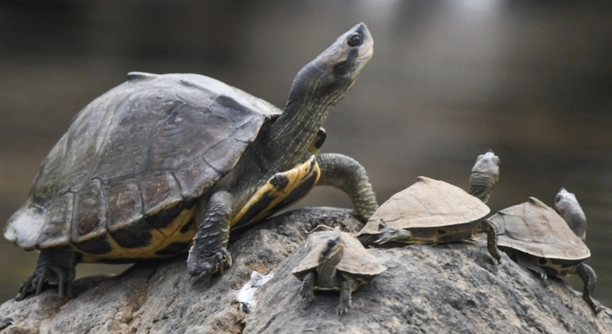
Keeping your Indian Roofed Tortoise in a comfortable environment is essential, and maintaining the right humidity level in their tank is a key part of that. Humidity can impact their health, making it crucial to keep it balanced.
To reduce humidity in an Indian Roofed Tortoise’s tank, ensure proper ventilation, adjust water sources, and regularly monitor humidity levels. You can also use dehumidifying materials and modify the tank’s layout to enhance airflow, making a significant difference.
These small adjustments can go a long way in ensuring your tortoise’s tank stays comfortable and healthy. Let’s look at simple ways to manage humidity effectively.
Proper Ventilation for Humidity Control
A well-ventilated tank is key to reducing humidity. Without adequate airflow, moisture accumulates, causing high humidity levels. Ensure the tank has vents or holes to let air circulate freely. Proper ventilation not only helps with humidity but also prevents stagnant air, which can lead to mold growth and poor air quality. Consider placing the tank in a room with good air circulation. If the tank is in a small, enclosed space, use a fan nearby to keep air moving.
Reducing humidity becomes easier with better airflow. Ensuring your tortoise’s tank is ventilated will support the overall health of the habitat.
Consider using mesh lids or grills on the tank’s top to help moisture escape. Avoid sealing the tank too tightly, as it can trap moisture and heat, making it harder to control the humidity levels. Ventilation combined with strategic placement of the tank helps maintain the right environment.
Adjusting Water Sources
Water bowls or humidifiers can increase humidity if not carefully managed.
Using shallow water bowls helps limit excessive evaporation, which may lead to humidity spikes. You can also swap out heavy misting and use a more controlled humidifier if needed. Regularly check the water levels to ensure it’s not causing an imbalance.
A controlled water source will prevent humidity from rising unexpectedly. Keep an eye on these sources and adjust them based on the humidity levels you’re aiming for.
Dehumidifying Materials
Incorporating dehumidifying materials like silica gel or activated charcoal can help absorb excess moisture. These materials are effective in maintaining stable humidity levels without constant monitoring. Place them in discreet areas within the tank, where airflow is good, to ensure the moisture is absorbed efficiently.
By using dehumidifying materials, you reduce the risk of creating a too-humid environment, which can be harmful to your tortoise. These materials are easy to find and require little maintenance, making them an affordable solution for humidity control.
Silica gel is an excellent option because it can absorb moisture without releasing it back into the air. Activated charcoal also works well by absorbing humidity and odors, improving air quality inside the tank. Both materials are safe to use in your tortoise’s environment, offering long-term benefits with minimal effort.
Tank Layout Adjustments
Rearranging the layout of the tank can have a significant impact on humidity control. By moving larger pieces of decor, such as rocks or logs, you can create more space for airflow and reduce the chances of moisture buildup in certain areas.
Creating different zones in the tank can help manage humidity more effectively. Place drier areas with fewer plants or water sources, and wetter zones in sections with water bowls or humidity-promoting materials. This balance will give your tortoise a healthy environment where they can move between varying humidity levels based on their needs.
A well-thought-out tank layout is important for balancing both humidity and comfort. Allow enough space for ventilation and airflow, and make sure your tortoise can find drier spots when needed. Avoid overcrowding the tank with too many objects that could trap moisture.
Using a Hygrometer
A hygrometer is an essential tool for monitoring humidity levels. By regularly checking humidity, you can avoid drastic changes that might harm your tortoise. Place the hygrometer in the tank to get a clear reading of the environment.
This simple device helps you track whether your tank is too humid or too dry, ensuring you can take immediate action if needed. Regular readings keep your tank’s environment stable and comfortable for your tortoise.
A hygrometer helps maintain the right humidity levels without guesswork. It takes away the uncertainty, allowing you to be proactive in adjusting the tank’s conditions for your tortoise’s well-being.
Adjusting the Lighting
Proper lighting can influence humidity in your tortoise’s tank. Ensure that your lighting setup doesn’t add extra heat that could cause moisture to evaporate too quickly.
Using the right type of light and avoiding excessive heat helps regulate temperature and moisture levels in the tank. Proper lighting supports both humidity control and the overall health of your tortoise.
By controlling heat from lights, you maintain a balanced environment. Use lights that are designed to be gentle on humidity, especially if the tank is in a hot room. This simple adjustment can help keep the humidity in check.
FAQ
How do I know if the humidity in my tortoise’s tank is too high?
High humidity can lead to a few noticeable signs. Your tortoise may seem sluggish, have trouble breathing, or develop respiratory issues. The tank will also feel excessively damp or foggy. If you notice condensation on the glass or walls of the tank, the humidity is likely too high. It’s important to check the humidity regularly using a hygrometer to keep it in the right range. Typically, Indian Roofed Tortoises prefer humidity around 50-70%, so maintaining this range is ideal for their health.
Can I use a regular fan to reduce humidity in my tortoise’s tank?
Using a fan can be helpful in increasing airflow and improving ventilation, but it is important to use it carefully. A fan alone won’t lower humidity; it helps keep the air circulating and prevents moisture buildup. When using a fan, ensure it is placed outside the tank to avoid blowing air directly onto your tortoise. If you direct the fan too close to the tank, it can disrupt the humidity balance. You might also want to pair the fan with a dehumidifier or ventilation adjustments for better results.
What is the best way to reduce humidity without harming my tortoise?
To reduce humidity safely, focus on proper ventilation, reduce water sources, and monitor temperature. You can also use dehumidifying materials like silica gel. Make sure to balance the humidity levels so that your tortoise doesn’t experience excessive dryness or respiratory distress. Regularly check the humidity levels using a hygrometer and adjust ventilation, misting, or water sources accordingly. Avoid drastic changes, as sudden drops in humidity can stress your tortoise.
How often should I check the humidity levels in my tortoise’s tank?
It’s a good practice to check humidity at least once a day, especially if you live in a humid environment or are making changes to the tank setup. If the weather changes or you adjust any aspects of the tank, check more frequently. Consistently monitoring humidity ensures that your tortoise remains in a comfortable environment without any sudden shifts that could negatively impact their health.
Can I use a humidifier to increase the humidity instead of a water bowl?
A humidifier can help maintain humidity, especially if you live in a dry climate or have trouble keeping the tank moist. However, avoid using it too aggressively, as it can lead to excessive moisture buildup if not controlled. You can use a humidifier to supplement a water bowl, but always monitor humidity levels to prevent it from becoming too high. Ensure the tortoise has access to drier areas where they can move away from excessive moisture if needed.
Is it harmful to my tortoise if the humidity is too low?
Yes, low humidity can lead to dehydration, difficulty shedding, and respiratory issues. Your tortoise relies on the right humidity to stay hydrated and maintain healthy skin. If the humidity is consistently too low, it can also affect their behavior, making them more lethargic or stressed. Ensure that the tank’s humidity stays within the recommended range, ideally between 50% and 70%, to avoid these issues.
What materials can I use to help absorb excess humidity?
Silica gel, activated charcoal, and certain types of clay can help absorb moisture. These materials are safe to use in a tortoise tank, as long as they are placed in areas where the tortoise cannot ingest them. Dehumidifying crystals or products specifically designed for terrariums are also available and effective for managing moisture. Always check these materials for any buildup or leakage and replace them as needed to maintain a comfortable environment for your tortoise.
Should I remove water bowls entirely if my tank has high humidity?
It’s not necessary to remove water bowls entirely, but you should monitor how much moisture they contribute to the tank. If you find that the water bowl is significantly increasing humidity, consider reducing its size or using a shallower dish. Also, clean the bowl regularly to prevent any buildup of bacteria or mold that could affect your tortoise’s health. Keeping a water source is still important for hydration, but be mindful of how it impacts overall tank humidity.
How do I maintain humidity in the tank during colder months?
In colder months, it can be more challenging to maintain proper humidity, as indoor heating systems often dry out the air. To manage this, you can use a humidifier to increase moisture levels and ensure proper ventilation to prevent moisture buildup. Additionally, avoid placing the tank near heat sources like radiators or vents, as they can further dry the air. Regularly monitor the humidity and adjust water sources or misting to keep the environment stable during the colder months.
Can I keep the tank completely dry to avoid humidity problems?
While keeping the tank completely dry is not recommended for Indian Roofed Tortoises, you should aim for a balanced environment. Tortoises need access to moisture for hydration and proper shedding. Completely dry conditions can lead to dehydration and other health issues. The goal is to keep humidity in the right range, not eliminate it entirely. Always ensure the tank has enough moisture without reaching excessively high humidity levels.
Final Thoughts
Maintaining the right humidity in your Indian Roofed Tortoise’s tank is essential for its health and well-being. By monitoring humidity levels and making small adjustments to the tank setup, you can create an environment where your tortoise thrives. Whether it’s adjusting ventilation, using dehumidifying materials, or managing water sources, these simple steps can make a big difference. Consistent monitoring with a hygrometer will help you ensure the humidity stays within the ideal range, preventing any unnecessary stress or health issues for your tortoise.
It’s important to remember that your tortoise’s needs may change over time. The humidity level in its tank may fluctuate depending on the weather, season, or the size of the tank. By keeping an eye on the changes and making adjustments when necessary, you can keep the environment stable. While it might take some time to find the perfect balance, the effort you put into creating a healthy habitat will pay off in the long run. Your tortoise will feel more comfortable, active, and healthy when the humidity is at the right level.
Finally, keep in mind that humidity control is just one part of creating a proper habitat for your tortoise. It’s also important to monitor the temperature, provide adequate lighting, and give your tortoise plenty of space to roam and explore. A balanced environment that includes the right humidity, temperature, and space will help your tortoise live a long and happy life. By staying proactive and adjusting the tank’s conditions as needed, you’ll be providing the best possible home for your pet.

Hello,
If you enjoy the content that we create, please consider saying a "Thank You!" by leaving a tip.
Every little bit helps us continue crafting quality advice that supports the health, happiness, and well-being of pets around the world, for pets of all shapes, sizes, and species.
We really appreciate the kindness and support that you show us!